 Vietnamnet.vn

 Podcast



The visit takes place at the invitation of General Secretary and President To Lam and his spouse.
Accompanying the president are several senior officials, including Deputy Prime Minister and Minister of Science, ICT and Future Planning Bae Kyung Hoon; Foreign Minister Cho Hyun; Minister of Trade, Industry and Energy Kim Jung Kwan; Minister of Land, Infrastructure and Transport Kim Yun Duk; National Security Adviser Wi Sung Lac; Chief of Staff for Policy Kim Yong Beom; South Korean Ambassador to Vietnam Choi Young Sam; Senior Presidential Secretary for Public Relations Lee Kyu Youn; Senior Presidential Secretary for AI Policy Planning Ha Jung Woo; Presidential Secretary for Foreign Affairs Choi Hee Deok; and Climate and Environment Ambassador Kang Kum Sil.
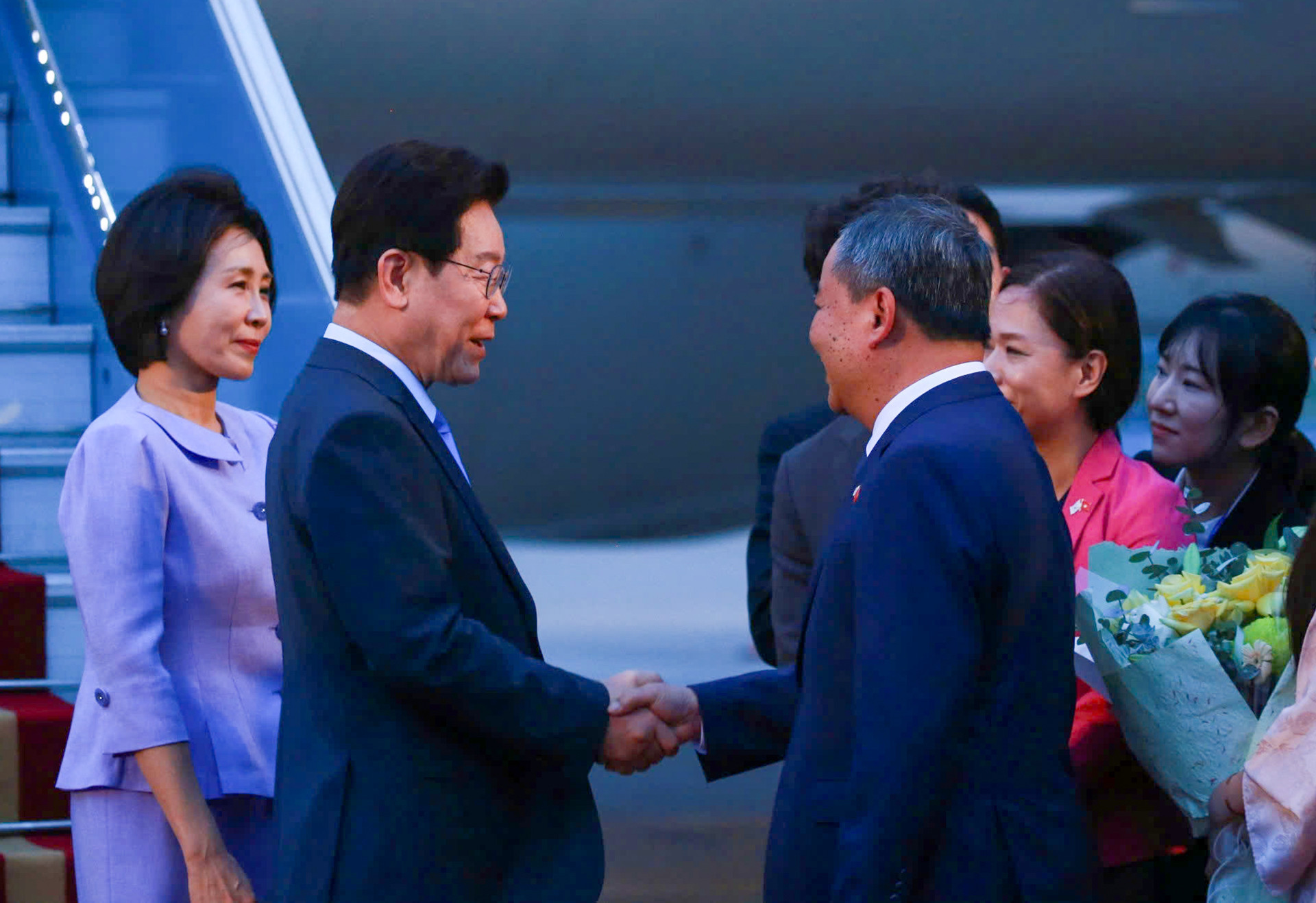
At the airport, the delegation was welcomed by Le Khanh Hai, Chairman of the Presidential Office; Hanoi People’s Committee Chairman Vu Dai Thang; Permanent Deputy Foreign Minister Nguyen Minh Vu; Vietnamese Ambassador to South Korea Vu Ho; along with representatives from the Party Central Office, the Presidential Office, and the Ministry of Foreign Affairs.
On April 22, President Lee and the First Lady will attend a state welcome ceremony at the Presidential Palace, hosted by General Secretary and President To Lam and his spouse. The two leaders will hold talks, witness the signing of cooperation agreements, and meet the press.
During the four-day visit, President Lee is also scheduled to meet Prime Minister Le Minh Hung and National Assembly Chairman Tran Thanh Man, along with participating in a series of key engagements.
The visit comes at a time when Vietnam - South Korea relations are at their strongest, following the upgrade to a Comprehensive Strategic Partnership in 2022. It also coincides with Vietnam’s recent consolidation of its state leadership after the 16th National Assembly elections, opening a new phase of long-term strategic development.
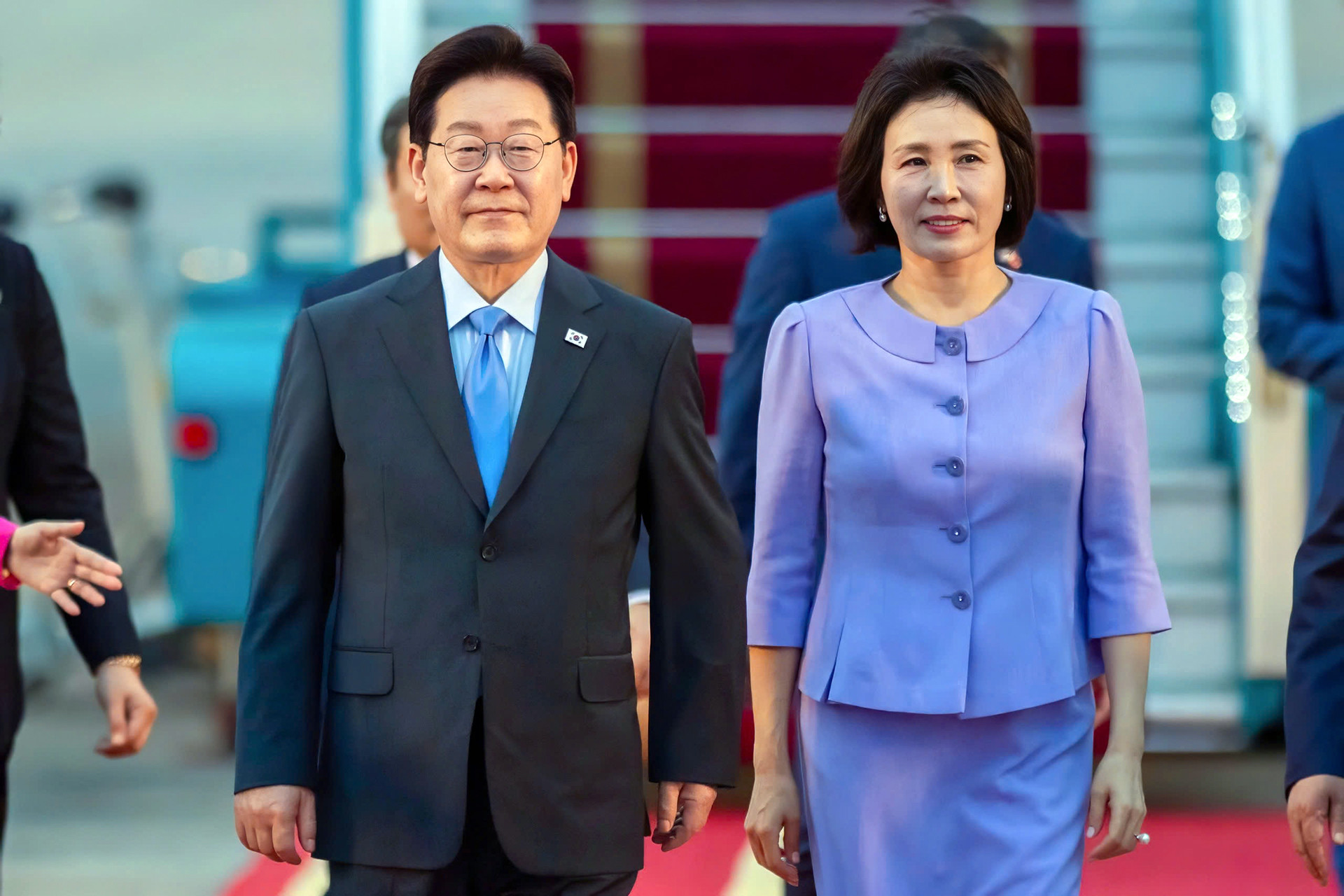
As the first foreign head of state to visit Vietnam in this period, President Lee’s trip carries both political and symbolic significance, reflecting South Korea’s high regard for Vietnam and the deep level of mutual trust and strategic priority in bilateral ties.
Beyond diplomacy, the visit is expected to align long-term visions between the two countries, shaping a more in-depth framework for cooperation. Both sides aim to move from broad engagement to deeper, more strategic collaboration, particularly in high technology, innovation, and economic security. The spirit of this new phase centers on greater trust, deeper cooperation, and stronger connectivity.
Impressive figures in bilateral cooperation
South Korea is currently Vietnam’s largest investor, second-largest source of tourists, second-largest provider of ODA, third-largest trading partner, and third-largest destination for Vietnamese workers.
In 2025, bilateral trade reached US$89.5 billion, up 9.6% from 2024. In the first three months of 2026, total trade turnover hit US$26.9 billion, marking a 30% increase year-on-year.
Vietnam’s exports largely consist of manufactured goods produced by FDI enterprises, including mobile phones, computers, and electronic components. Meanwhile, South Korea supplies machinery, equipment, components, and raw materials.
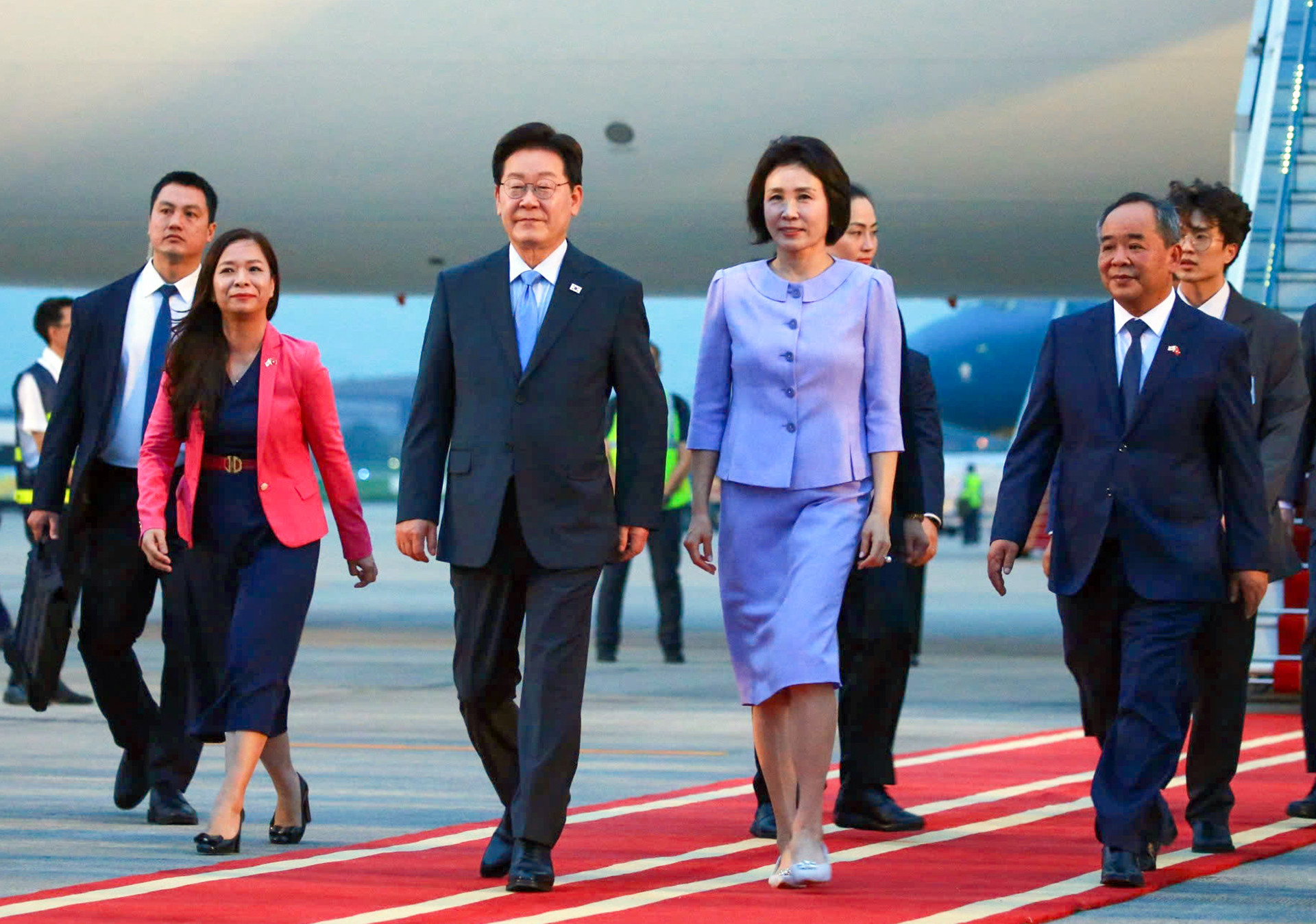
Both countries are working toward a target of US$150 billion in bilateral trade by 2030, with a more balanced structure.
South Korea remains the largest foreign investor in Vietnam among 154 countries and territories, with total registered capital reaching US$98.9 billion across 10,447 projects, accounting for over 23% of total projects and 18% of total registered FDI. Investments are concentrated in key sectors such as manufacturing, high technology, electronics, automotive industries, construction, and real estate, with major hubs in Bac Ninh, Ho Chi Minh City, Hai Phong, Dong Nai, and Thai Nguyen.
Vietnam is also a priority partner for South Korea’s ODA, receiving about 20% of its total aid. Over the past five years, South Korea has provided more than US$500 million in assistance, of which 90% is concessional loans and 10% is non-refundable aid.
According to South Korea’s immigration authorities, by the end of 2025, nearly 45,000 Vietnamese workers were employed in the country under the EPS program, alongside 28,500 seasonal workers and 14,700 skilled workers.
South Korea is the second-largest source of international tourists to Vietnam, with 4.3 million visitors in 2025, accounting for 21% of total arrivals.
As of the end of 2025, the Vietnamese community in South Korea numbered around 352,000 people, an increase of 30,000 compared to the previous year. Students and workers each account for over 100,000 people, alongside approximately 100,000 Vietnam - Korea multicultural families. The remaining population includes investors, short-term workers, and visiting relatives.
Meanwhile, around 200,000 South Koreans are living and doing business in Vietnam, including approximately 10,000 enterprises.
Tran Thuong
.svg)
