 Vietnamnet.vn

 Podcast



An ancient Buddha statue in La Village, Luong Minh Commune, Nghe An Province, has been stolen several times and even attracted offers worth billions of dong, yet villagers have remained united in preserving it as their community’s “treasure.”
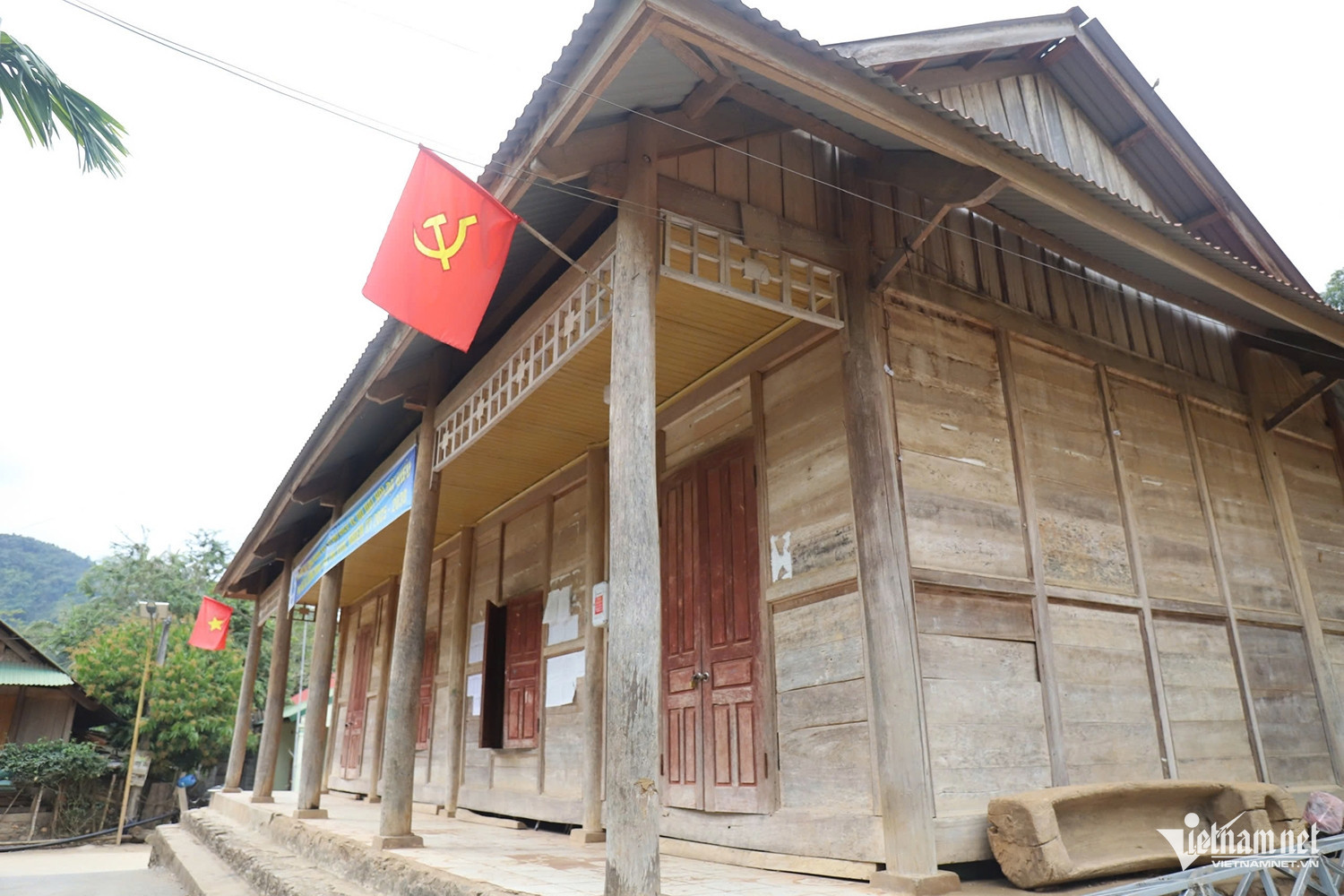
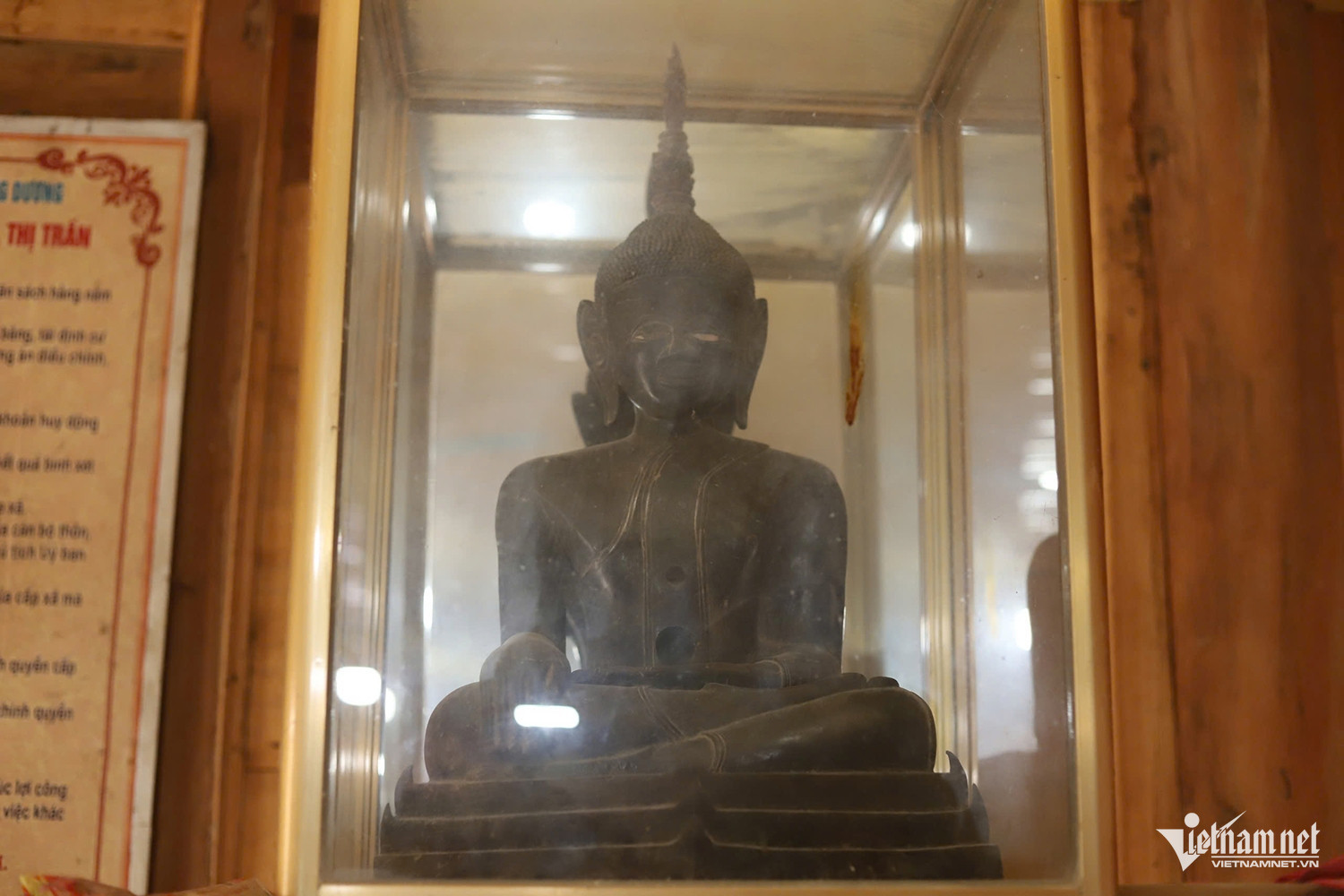
At the community cultural house in La Village, a dark bronze statue of the Buddha seated in meditation, standing more than 70cm tall and weighing around 57kg, is kept prominently inside a reinforced glass case.
The statue is a “treasure” villagers have safeguarded for hundreds of years. It has been stolen several times -and, remarkably, recovered each time.
According to Lo Van Doan, 83, a retired teacher in the village, historical records indicate that La Village was established more than 250 years ago. When the first residents arrived to establish the settlement, a Buddhist temple already stood in the Thach Giam area, now around 7km from the village, and Buddhism had a significant following there.
After settling down, villagers pooled their money to hire craftsmen to cast the statue, hoping it would bring peace, good fortune and the Buddha’s protection. The casting process, however, did not go smoothly. On the first two attempts, the statue emerged with defects in an arm or leg and could not be completed.
Villagers later discovered that a widow in the community had not yet contributed the coin expected of each household. Once she made her contribution, the third casting succeeded.
The villagers then carried the statue back to their community and built a tower in which to worship it. The tower collapsed during wartime, and from 1953 onward, the statue was entrusted to the village chief for safekeeping.
Under village custom, whoever was elected chief became responsible for worshipping and protecting the “treasure.” In 2005, residents agreed to move the statue to the community cultural house, making it easier to maintain worship and safeguard the artifact.
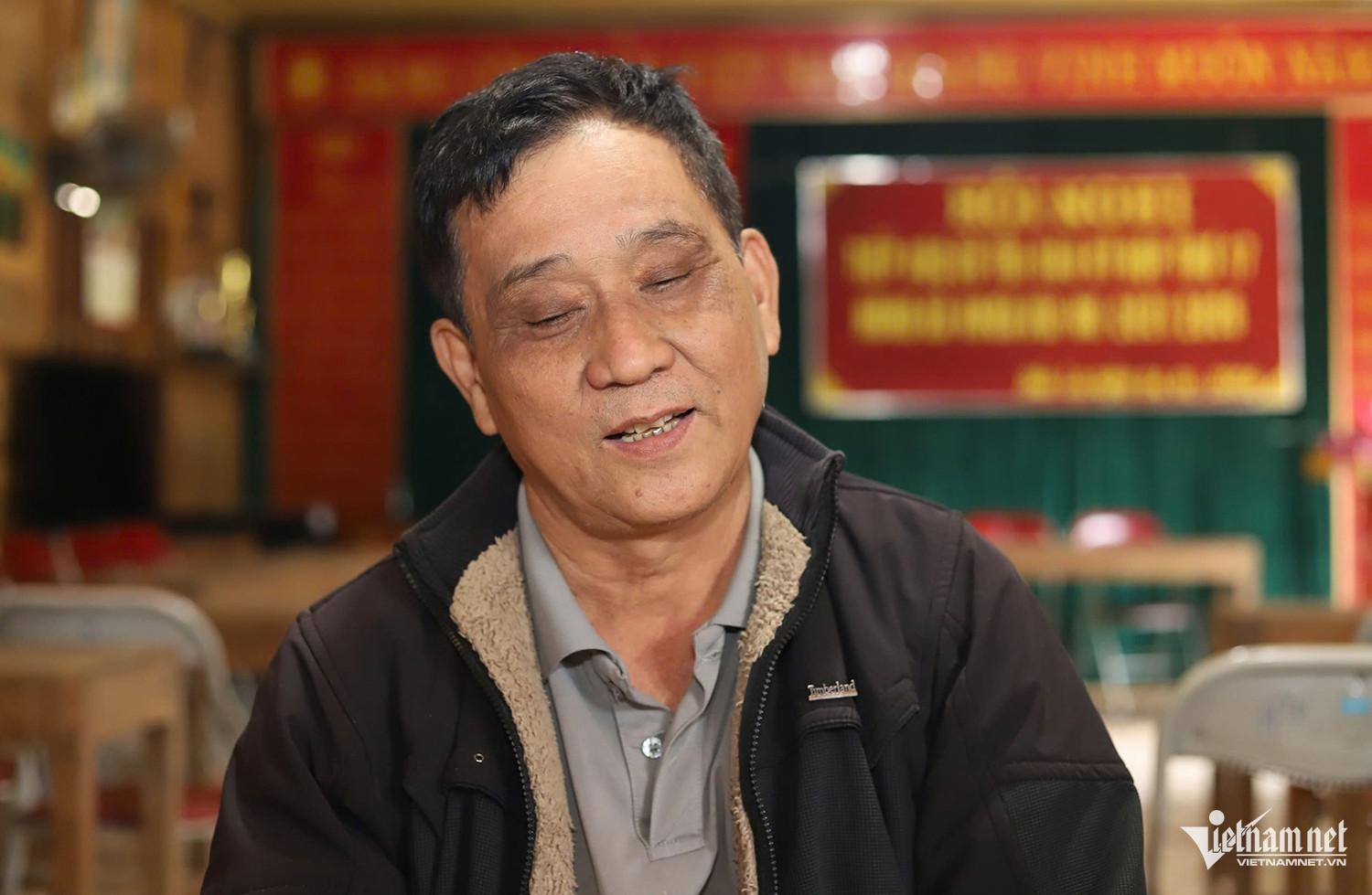
According to Lo Van Chinh, Secretary of La Village’s Party Cell, the statue’s dark bronze appearance has led many people to believe it is made from “black bronze,” making the artifact a repeated target for thieves.
In 1987, when the statue was still kept at the village chief’s home, thieves cut through a wall and stole it. Several days later, villagers found the statue in a stream near the village. Around three years later, another stranger slipped into the house and carried it away, only to return it a few days afterward.
In 2006, after the statue had been moved to the community cultural house, a group of thieves took advantage of a stormy night to break through the door and steal it.
The following morning, a villager cutting grass spotted a group of strangers near the edge of a stream behaving suspiciously and immediately ran back to alert the community.
When villagers arrived, the group fled. Searching the streamside area, residents discovered the statue hidden in bushes and brought it back for safekeeping.
After being stolen and recovered several times, the statue is no longer completely intact. The finial at the top of its head is missing and has been replaced with another material. A small crack remains on its chest, believed to date from an occasion when thieves threw the statue into a stream.
To protect the artifact, more than a decade ago La villagers agreed to construct a reinforced altar inside the community cultural house. A concrete pillar about two meters high was embedded deep into the floor, while a fixed steel frame was welded to secure the statue.
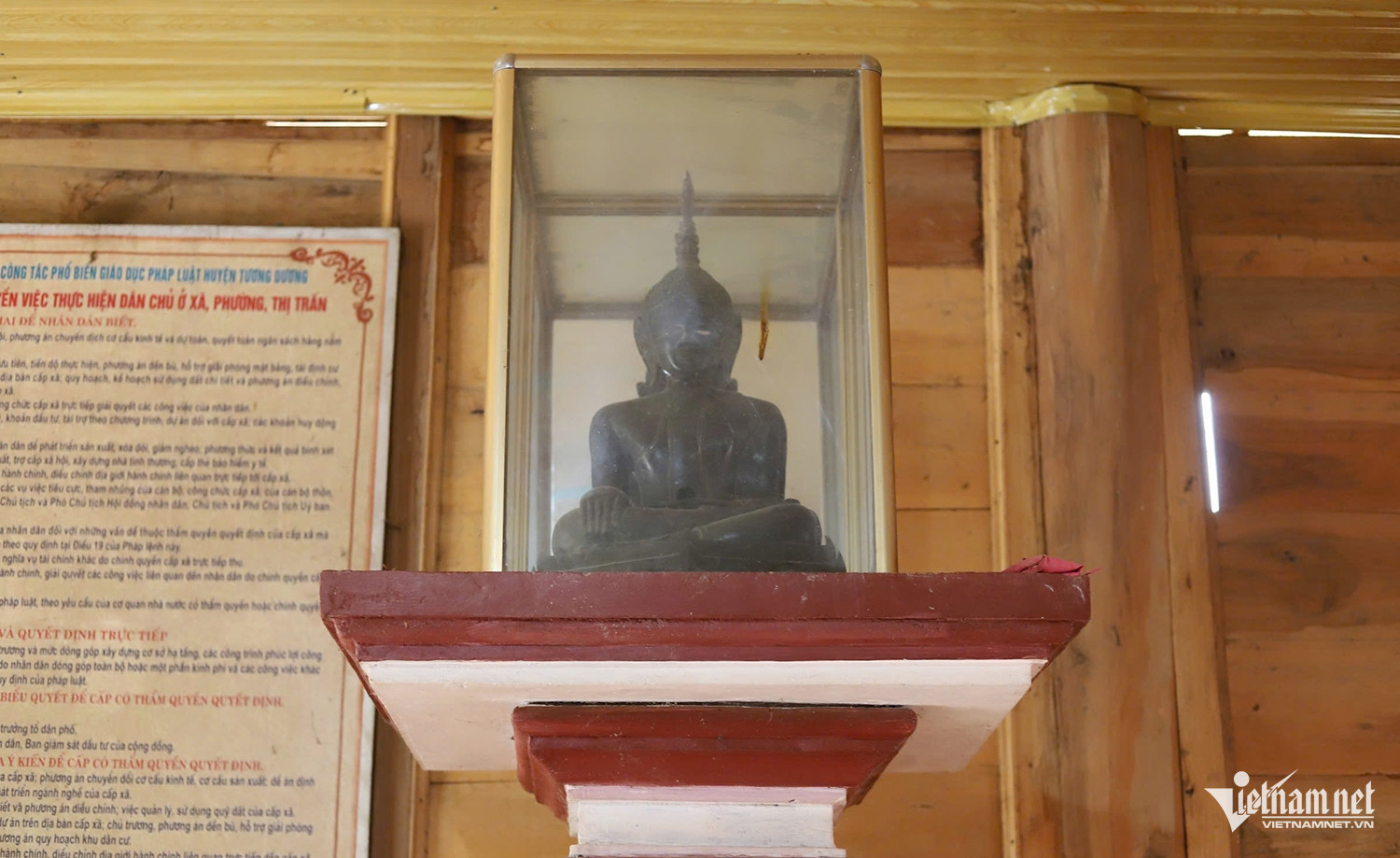
A sturdy glass enclosure was installed around it as an additional safeguard against theft. The statue has not been stolen since.
Chinh said that around 15 years ago, a group of antique dealers came to the village and offered billions of dong for the statue. Had the villagers accepted, each household could have received more than VND40 million.
The proposal was put before a village meeting. Some residents suggested selling the statue and using the money to build roads, but the majority opposed the idea.
Village elders recalled how their ancestors had each contributed a coin to cast the statue, insisting that it was a spiritual symbol of the community and could not be sold. Ultimately, the entire village agreed to keep the statue, regardless of how much anyone might offer.
According to Kha Thi Chom, Chairwoman of the Vietnam Fatherland Front Committee in Luong Minh Commune, the statue carries not only historical value but also symbolizes the community’s solidarity. Through repeated thefts and billion-dong offers to buy it, villagers have remained united in keeping the artifact as a way of preserving the traditions, honor and identity of their community.
Tran Tuyen
.svg)
