 Vietnamnet.vn

 Podcast



According to Nguyen Thanh Hoa, a forecaster at the National Center for Hydro-Meteorological Forecasting, El Niño is expected to persist and strengthen from August 2026 through January 2027.
Forecast models indicate an 81% probability that the climate pattern will reach strong to very strong intensity, with the most intense phase likely occurring during the final months of 2026.
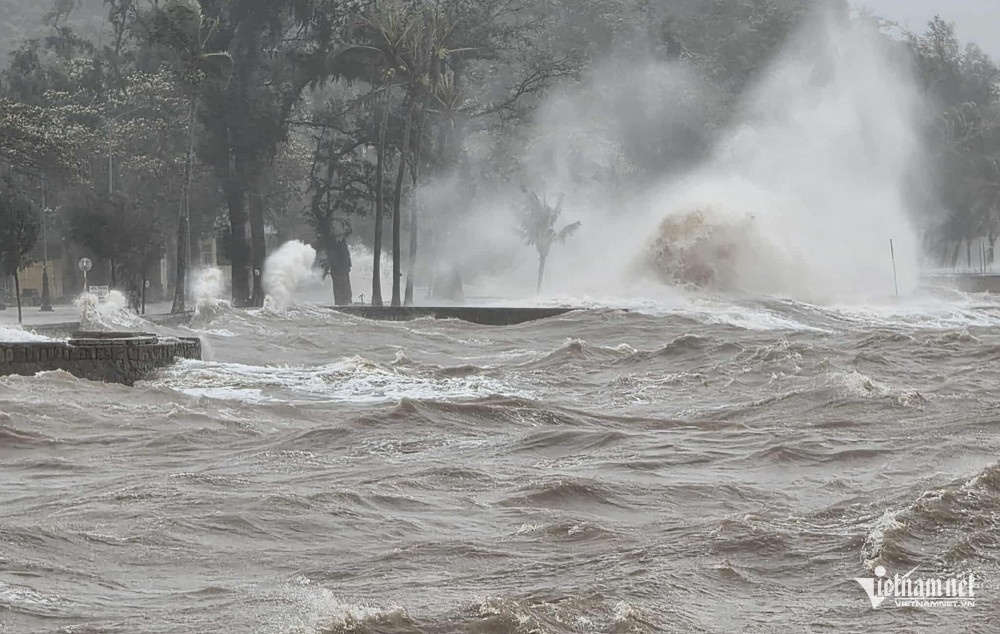
Under the influence of El Niño, the total number of tropical storms and typhoons forming over the East Sea is expected to remain below the long-term average.
Meteorologists forecast eight to ten tropical storms or typhoons during 2026, with approximately three to five expected to directly affect Vietnam's mainland.
Despite the lower number of storms, weather authorities caution that residents should remain alert for unusually powerful systems with complex and unpredictable tracks.
Such storms can produce severe impacts within a short period, making forecasting and emergency response more challenging.
Officials advise the public to monitor weather updates closely and prepare for localized heavy rainfall, flash floods and landslides throughout this year's rainy and storm season.
Temperatures expected to rise nationwide
El Niño is also expected to push temperatures above seasonal averages across Vietnam.
Forecasts indicate:
During summer, average temperatures are expected to be 0.5 - 1.5°C above normal.
During winter, conditions are likely to remain warmer than usual, with temperatures 1 - 2°C above average.
Particularly during August and September 2026, intense heat is expected to increase across the region stretching from Thanh Hoa to Hue, as well as along the South Central Coast.
Heavy rain followed by drought risk
Rainfall patterns over the next six months are expected to vary significantly by region and season.
In Central Vietnam, rainfall during August is forecast to exceed the long-term average by 10 - 30%, while areas between Thanh Hoa and Hue could receive 30–60% more rainfall than usual.
However, forecasters expect conditions to reverse in the following months.
Rainfall across most of the country is projected to fall 10 - 30% below the long-term average, while the rainy season in the Central Highlands and southern Vietnam may end earlier than normal.
Weather authorities warn that prolonged rainfall deficits from late 2026 into early 2027 could significantly increase the risk of severe drought and saltwater intrusion.
The resulting water shortages are expected to affect both household water supplies and agricultural production in vulnerable regions.
Bao Anh
.svg)
