 Vietnamnet.vn

 Podcast



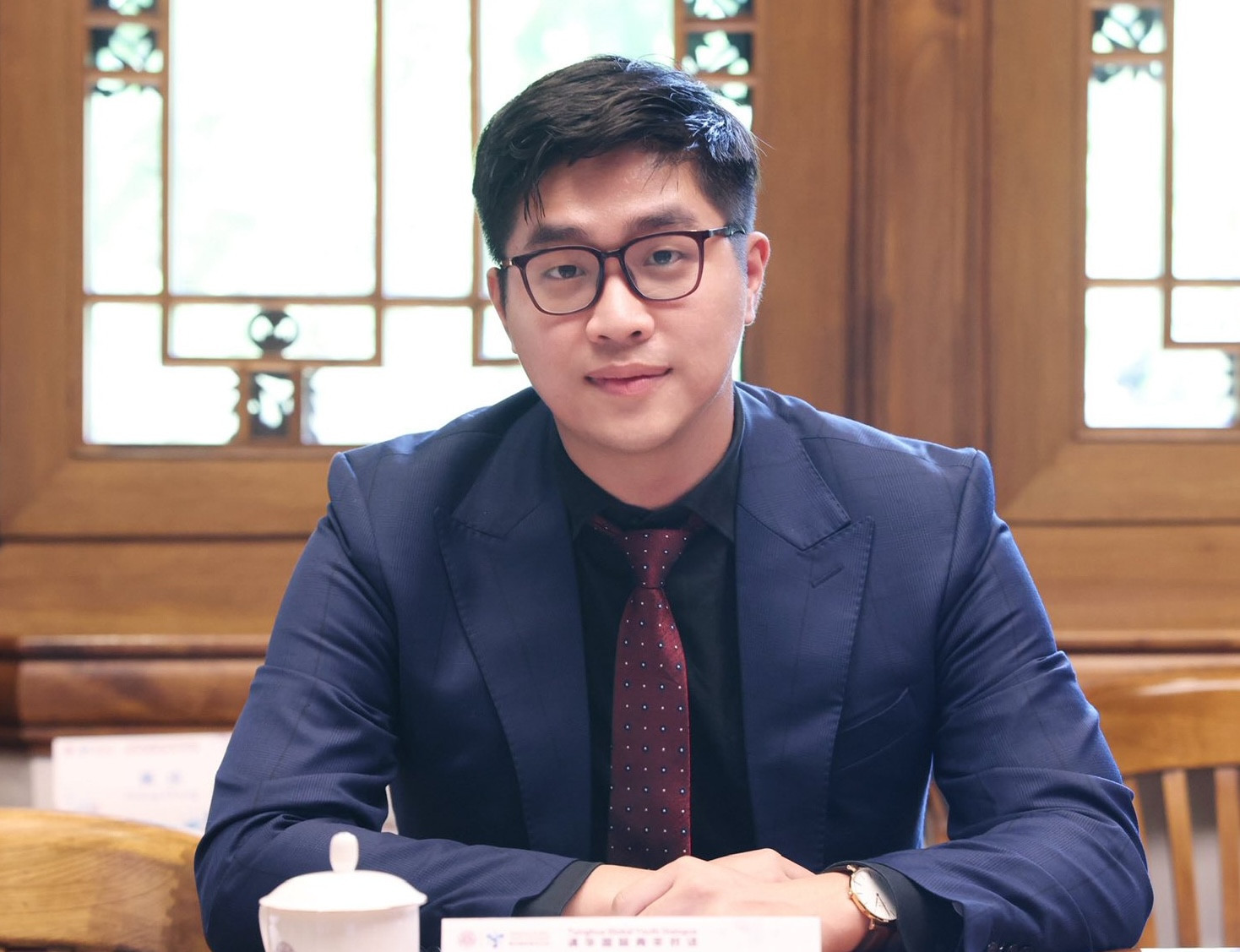
Previously, he pursued three master’s degrees at different institutions. After graduating from university, Dao received a full Erasmus Mundus scholarship from the European Union for a master’s program, studying across four countries.
He later earned another full scholarship to pursue a master’s degree at Peking University and the Schwarzman Program at Tsinghua University in China.
At every institution he attended, Dao maintained outstanding academic performance, achieving a perfect GPA in the Erasmus Mundus program, winning the Outstanding Academic Award at Peking University, and earning a 4.0/4.0 GPA at Tsinghua University.
However, Dao, 30, said that accumulating degrees was not about gaining a competitive edge, but rather building a solid foundation to pursue research in heritage and urban environmental issues.
At Peking University, while studying China's urban development policies, he felt a stron, desire to dig deeper into the environmental aspects of this field.
Later, through a conversation with a dean at the Schwarzman College, Dao realized that Tsinghua University was very strong in urban and emissions research, leading him to apply for the school's Master's program to follow his passion.
In late 2025, after completing his Master's program at Tsinghua, Dao moved on to a PhD in Architecture at the National University of Singapore with a full ASEAN scholarship. He is pursuing research on urban development with community participation, aiming to bridge the gap between community voices and urban planners.
Despite studying in fiercely competitive environments, Dao does not feel overwhelmed; on the contrary, he is always excited and motivated to learn.
“In such environments, I not only learn from world-leading professors but also from classmates coming from many countries with strengths in different fields. It is this diversity that has helped me expand my mindset and approach problems from a more multi-dimensional perspective,” he said.
But to make progress, Dao evaluates proactivity as the most important factor. Right from the start of each semester, he often spends time learning about the teaching style of each professor to adjust his study strategy and writing style accordingly.
The first week, often called “shopping week,” allows him to attend many different classes to choose the right subjects while assessing the requirements of each lecturer. Dao also talks with professors during private consultation sessions or over lunch in the canteen to share more deeply about academics and career orientation.
He also actively learns from friends, being ready to collaborate with those who have different strengths to supplement his own knowledge and research skills. He even takes specialized classes to gain knowledge in new fields.
A desire to reach many places
Before entering the international academic journey, Dao studied International Relations at the Diplomatic Academy of Vietnam because it suited his extroverted personality and his love of exploring the world.
After a period of working at international organizations, Dao realized he was more suited for community-oriented work where he could travel to many places and create a direct impact.
Besides studying, Dao actively participates in social activities. In 2023, he co-founded YUSEA (Young Urbanists of Southeast Asia), a network of over 300 students and young scholars from around the world sharing an interest in sustainable urban development.
Over three years, Dao and his colleagues organized numerous events to create dialogues and innovative urban solutions at Tsinghua University (China), the National University of Singapore, the ASEAN Sustainable Urbanization Forum (Malaysia), and the Indonesian Ministry of Youth and Sports. He also served as a youth delegate attending UN climate change conferences in both 2024 and 2025.
To date, he has visited more than 50 countries across continents and has become a speaker at many forums.
Dao said that more and more young Vietnamese are becoming proactive in reaching out to the world. They equip themselves with necessary skills, such as learning multiple languages, to open up career and research opportunities or simply to understand more about the countries where they live.
“The most important thing is understanding what you want to pursue and being persistent with that choice. I believe that if your capacity is good enough, and your working attitude is serious and proactive, you will be able to integrate into international academic environments,” Dao said.
Thuy Nga
.svg)
