 Vietnamnet.vn

 Podcast



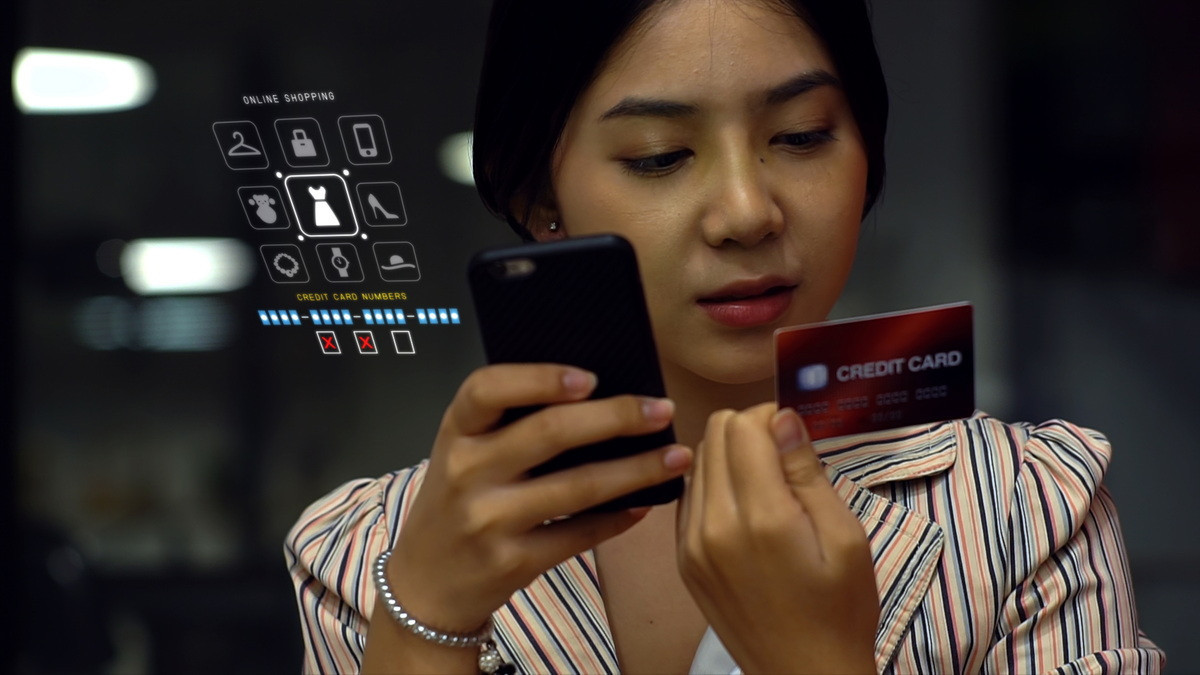
Ngo Tran Vu, Director of NTS Security, said the year-end period is always the "peak season" for tech fraud. Users who are often busy and in a rush to shop become less vigilant. Even more concerning is that cybercriminals, having stolen vast amounts of personal information and leveraged AI, have devised numerous scripts. The scams sees a higher success rate when aided by AI.
Fake online shippers
Online shopping flourishes during Tet. From youth to the middle-aged to the elderly, everyone now shops online. The explosion of sale items near Tet leads to a ongoing stream of orders. This is when scam gangs seize upon the habit of "shippers delivering while the recipient is away" and exploit a lack of caution regarding small sums of money.
A familiar script involves a phone call with realistic-sounding traffic noise. The "fake shipper" reports a package delivery, but since the recipient is not at home, the "shipper" suggests leaving the goods in front of the house or with security.
They request a small bank transfer, around VND30,000 to VND50.000 VND for "shipping fees." It is precisely this small sum of money that causes many to let their guard down, thinking: "It's only a few dozen thousand, just transfer it to get the goods."
According to Vu, the scam script upgrades further once the recipient transfers money to the "fake shipper." The fraudster claims there was a transfer error and sends a QR code via Zalo or a link, urgently pressuring the recipient to click and send the money again.
In reality, the link leads to a website containing malware. If the victim enters an OTP, they lose not only the "small sum of money" but potentially hundreds of millions in their bank account via mobile apps.
Beyond these tactics, criminals exploit the fear of "bad luck" and service disruptions during Tet. While the shipper ruse relies on negligence, the fake invoice scam strikes directly at a common year-end anxiety: the fear of carrying debt into the new year.
With the mindset that "debt at the start of the year brings bad luck all year," almost everyone wants to clear their electricity and water bills before New Year's Eve. Cybercriminals exploit this by sending fake Brandname SMS messages from telecommunications or power companies, containing threats to cut off services or even "threats" of exit bans due to tax debt.
Messages such as: "January electricity bill unpaid. Power will be cut in 2 hours if payment is not received" or "Tax Department notifies 2025 year-end tax debt; pay the fine immediately to avoid a Tet exit ban" cause recipients to panic. In their confusion and fear of hassle, many may click strange links to pay just to get it over with.
AI and deepfakes: phony video calls
The most frightening aspect of the rising tech scam trend is the involvement of AI. Scam gangs have learned to use AI tools to draft emails, messages, or documents that appear authentic, purportedly from agencies, companies, or banks.
Deepfake technology continues to improve, allowing for the forgery of faces and voices of relatives in video calls. They take images that individuals post on social media and use AI to reconstruct them. The level of quality has become "very difficult for non-experts to distinguish."
The “3 Don’ts – 2 Do’s” rule
Vu said he personally applies a set of principles he calls the “3 Don’ts – 2 Do’s,” which he finds effective. The “3 Don’ts” emphasize staying calm in the face of urgent demands, while the “2 Do’s” focus on proactive verification and action.
First and most importantly: “Don’t rush”. Scammers often create urgency (a child urgently needing money, imminent power disconnection, losing a discounted train ticket) to prevent victims from thinking clearly. No matter how urgent the situation appears, pause and verify before taking any action.
Second, “Don’t click on suspicious links”.
Third, “Don’t transfer money unless you are certain”.
Fourth, “Do verify”: if you receive a video call from a relative asking to borrow money, hang up and call back using their regular phone number (a direct voice call via SIM) to confirm.
Fifth, “Do report”: if you have been scammed or notice suspicious signs, immediately notify your bank to temporarily freeze your account and report the case to the police.
Thai Khang
.svg)
