 Vietnamnet.vn

 Podcast



Vietnamese Deputy Foreign Minister Nguyen Manh Cuong said the visit was of particular importance and historic significance for Vietnam-Thailand relations.
It was the first visit to Vietnam by a Thai monarch since the two countries established diplomatic relations in 1976. It also came as the two countries celebrate 50 years of diplomatic ties in 2026 and just over a year after their relationship was elevated to a Comprehensive Strategic Partnership in May 2025.
Cuong said it was rare for three such milestones to converge in a single visit. Their convergence gave the occasion its historic significance while opening a new chapter in relations between the two countries.
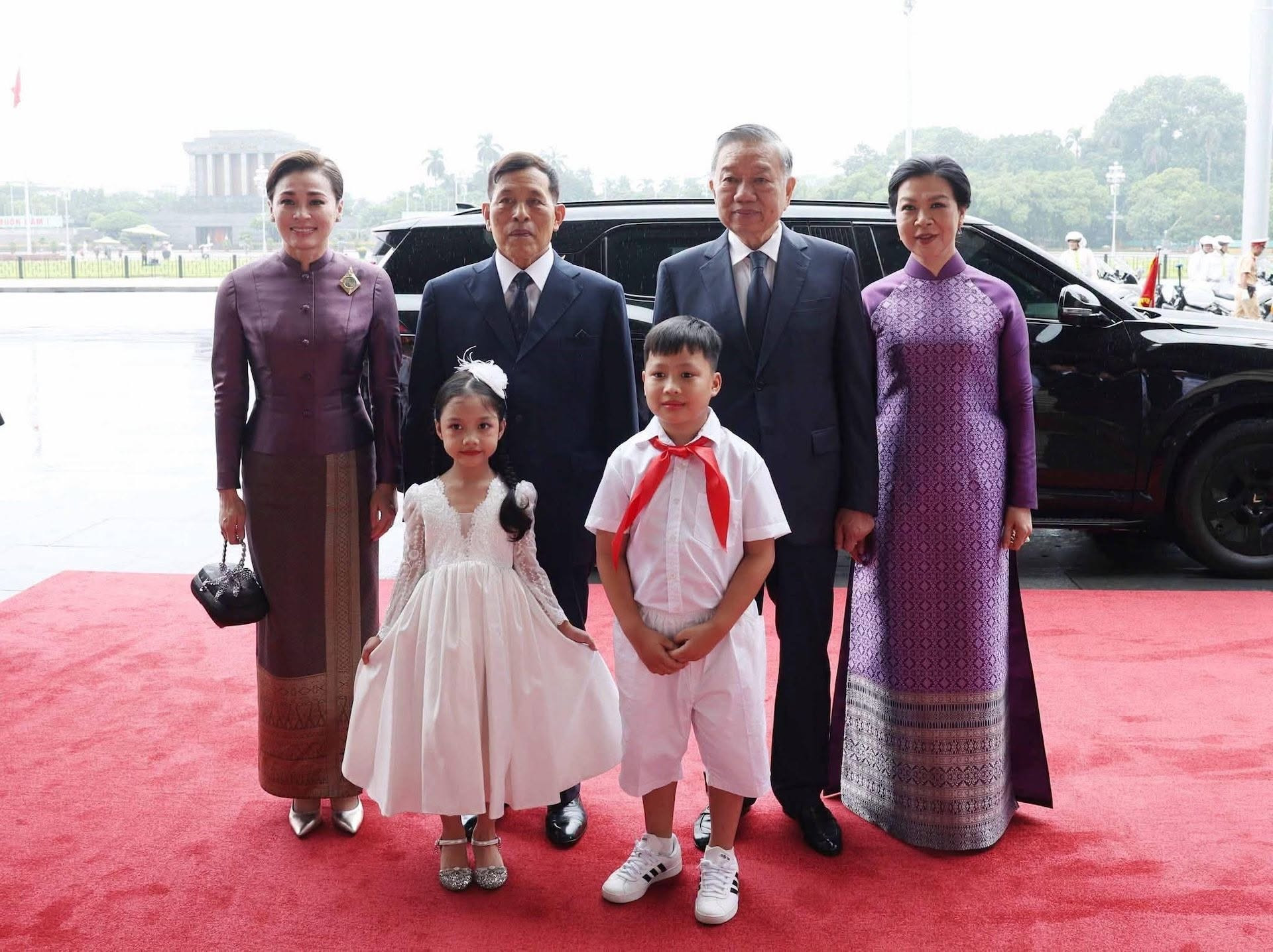
Over the past 50 years, bilateral ties have come a long way. Thailand is now Vietnam’s largest trading partner within ASEAN, with two-way trade reaching $22.1 billion in 2025. Thailand is also among Vietnam’s 10 largest foreign investors, with more than $15 billion in registered capital.
More than 1.1 million visits were made between the two countries in 2025, while over 100,000 Vietnamese people are living, studying and working in Thailand, forming an enduring bridge between the two societies.
The visit also reflected the importance that Thailand’s Royal Family, state and people attach to relations with Vietnam. Given the special place of the King and Royal Family in Thailand’s spiritual, historical and cultural life, the trip carried significance beyond state-to-state diplomacy, extending to people-to-people ties.
Thailand’s Royal Family has also supported projects contributing to education and community development in Vietnam.
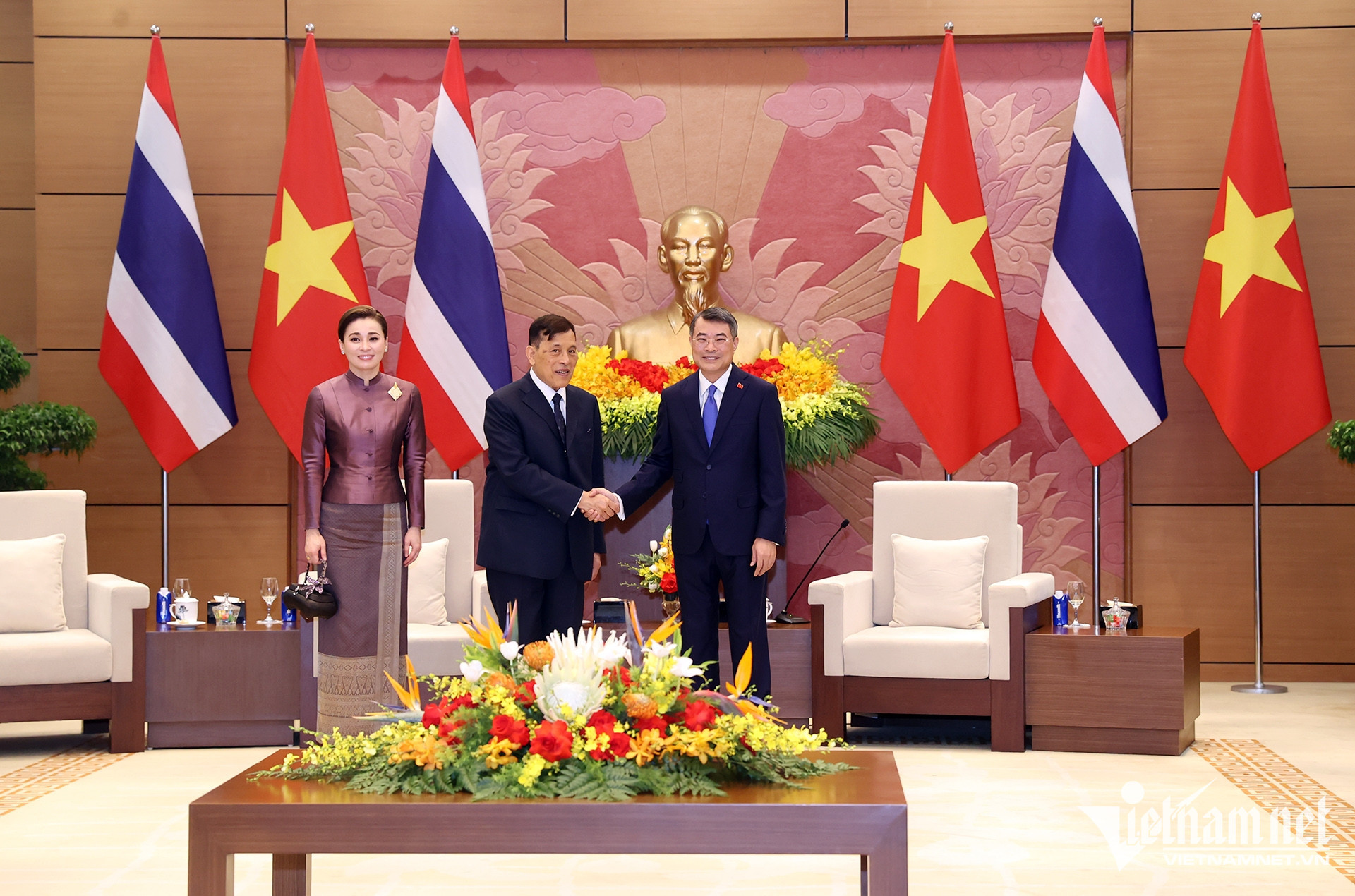
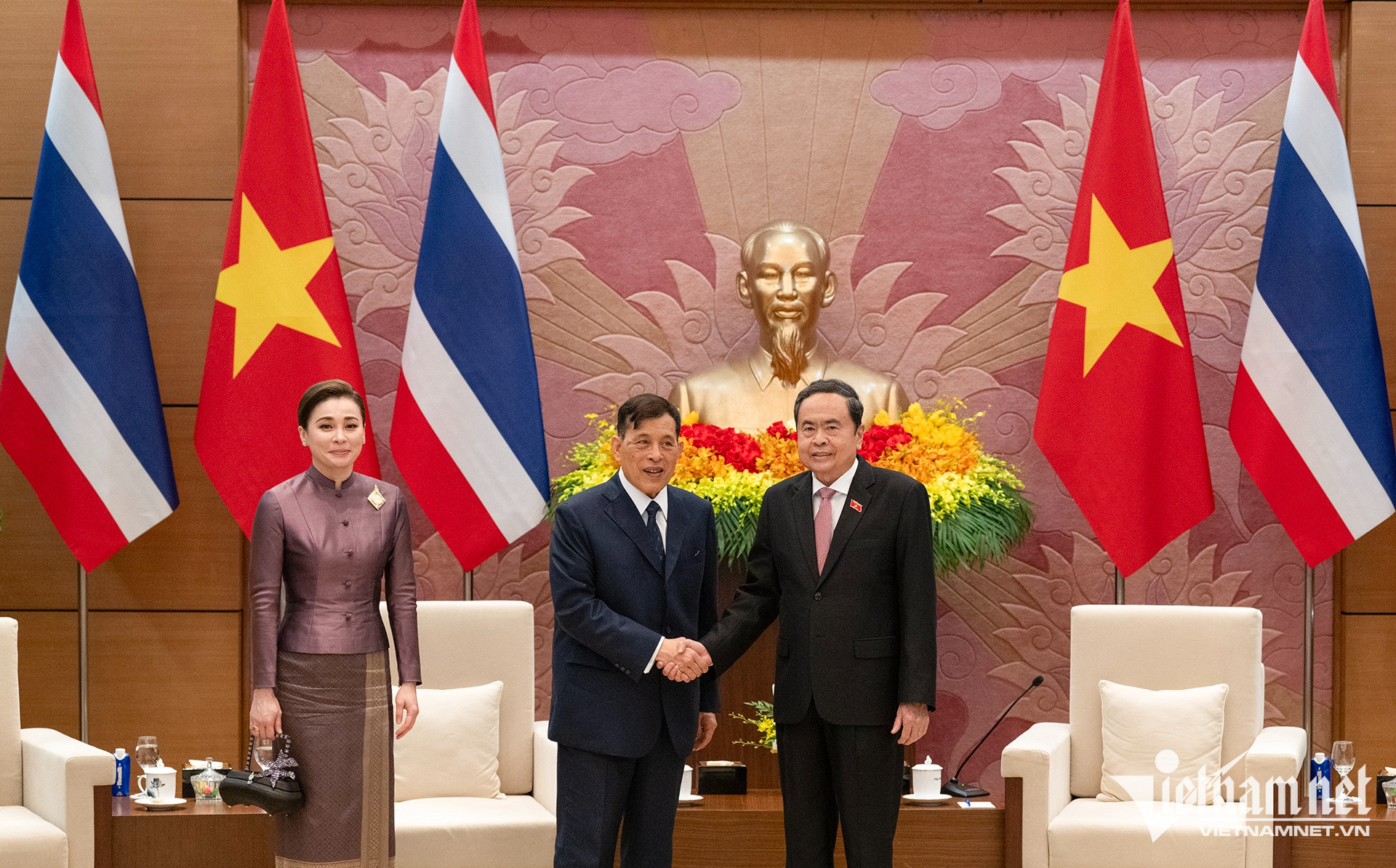
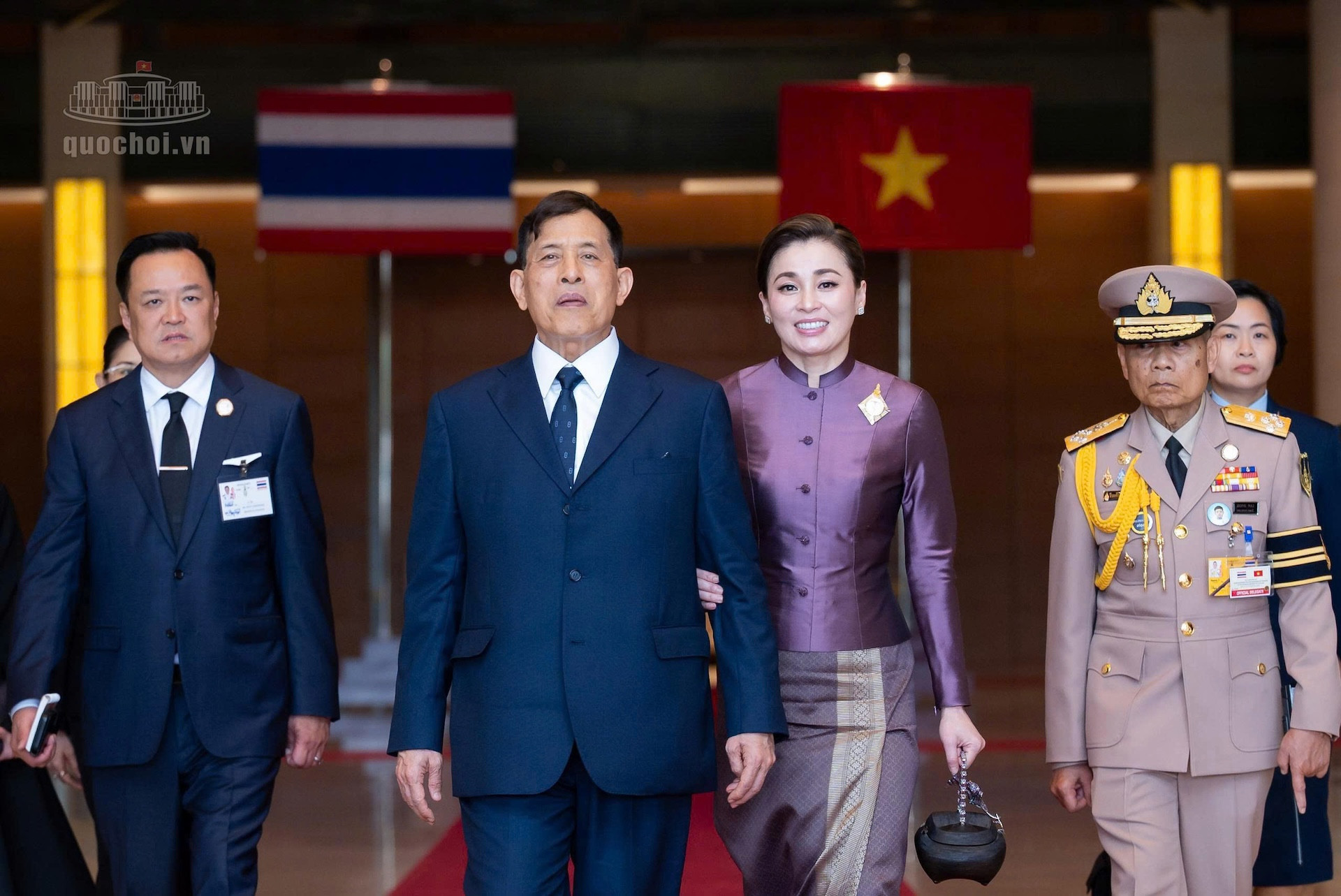
During their visit, King Maha Vajiralongkorn and Queen Suthida held talks with General Secretary and President To Lam and met Prime Minister Le Minh Hung and National Assembly Chairman Tran Thanh Man. Thai Prime Minister Anutin Charnvirakul joined the delegation and accompanied the King and Queen during the visit.
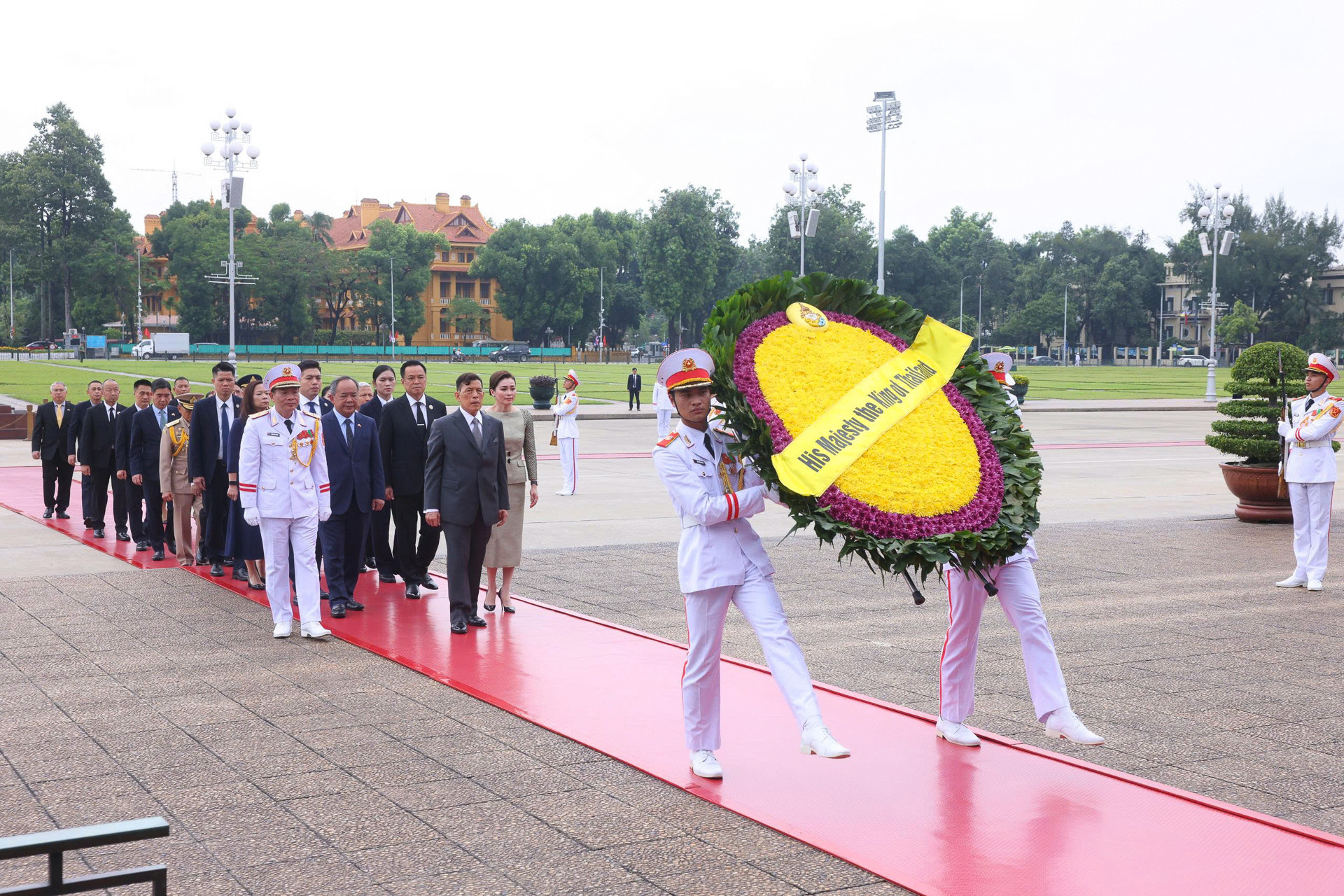
The two countries have exchanged high-level visits in both directions in 2026, following the visit to Thailand by General Secretary and President To Lam and his wife in May.
The highest-level contacts, together with the Thai prime minister’s presence alongside the King, reflected the importance both sides attach to each other and to Vietnam-Thailand relations.
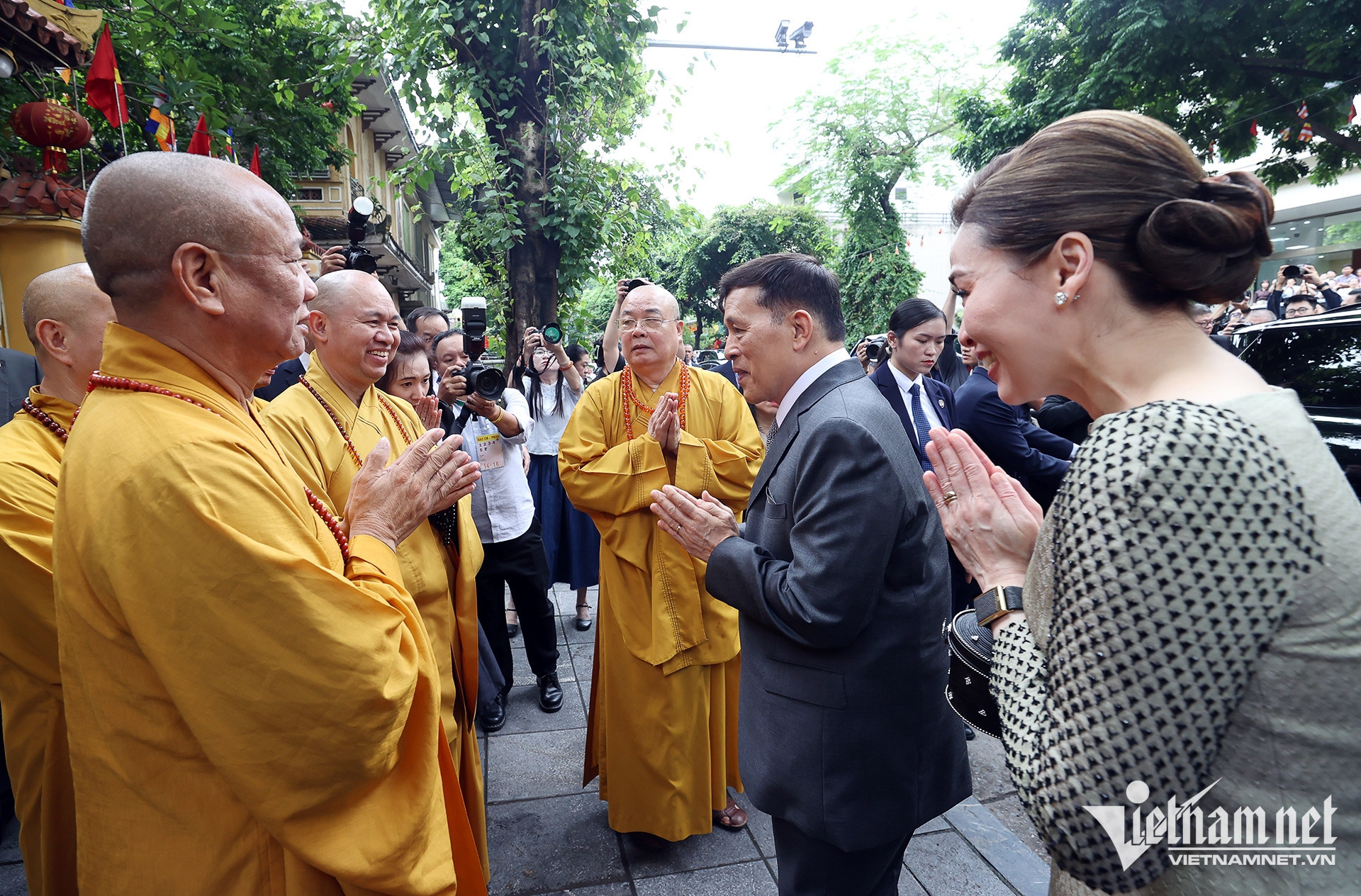
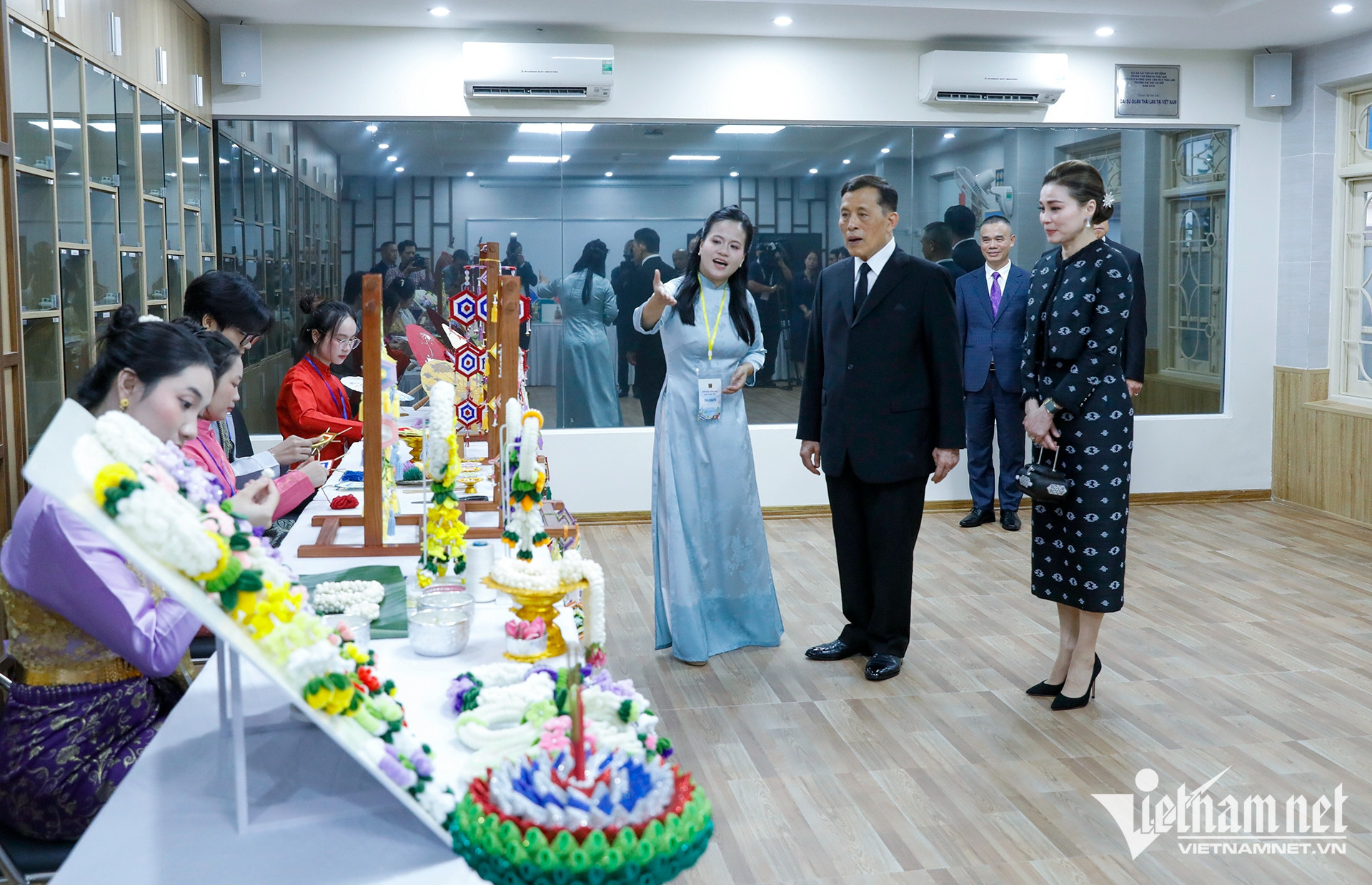
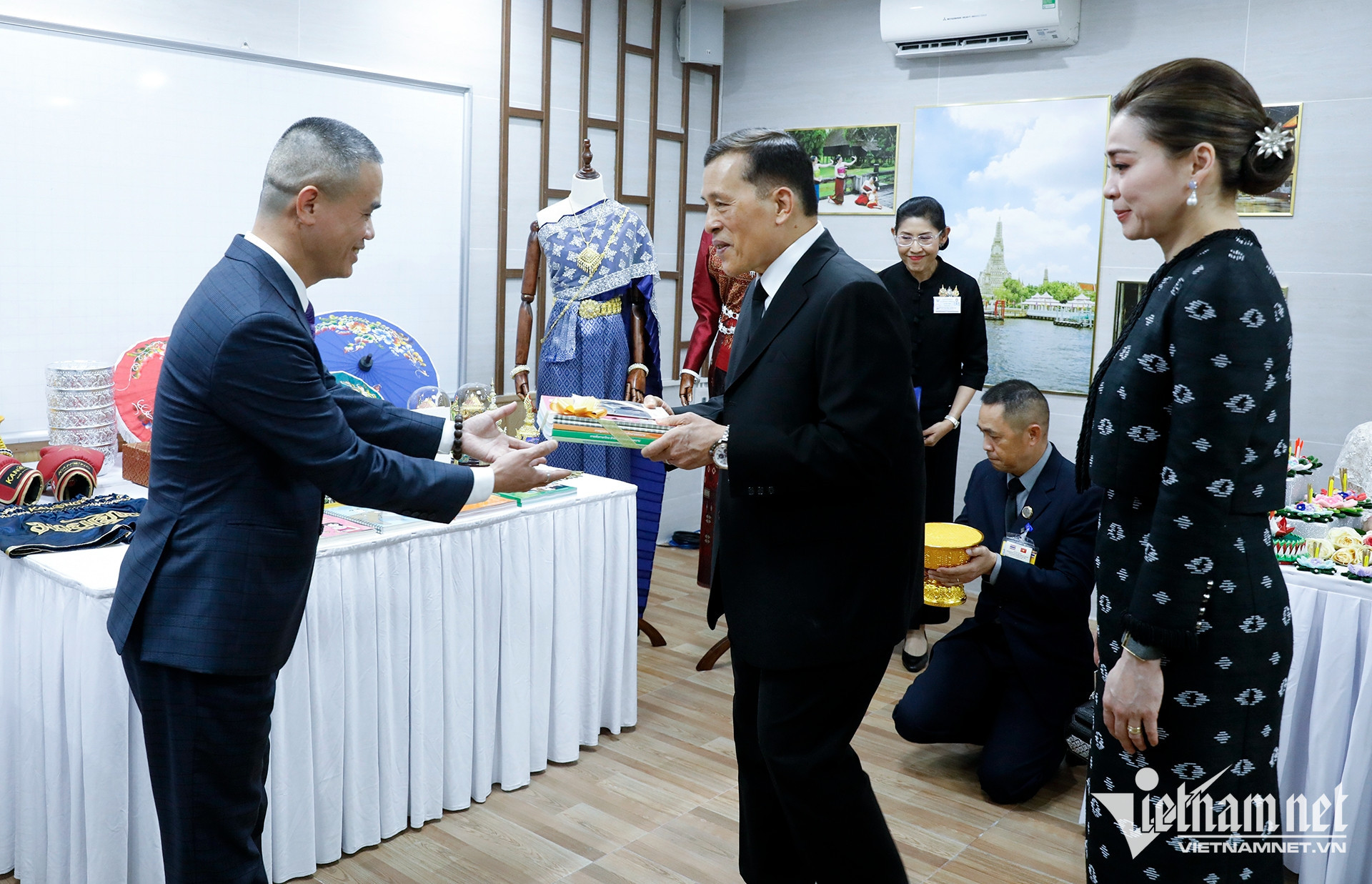
The cultural, religious and people-to-people dimension was also a prominent part of the visit. King Maha Vajiralongkorn and Queen Suthida visited Quan Su Pagoda in Hanoi and the Thai Language and Culture Center at Hanoi University.
Vietnam-Thailand relations enter a new phase
According to Deputy Foreign Minister Cuong, one of the visit’s most significant features was the convergence of high-level political trust and the close bonds between the peoples of the two countries.
The next priority is to turn that shared understanding, trust and goodwill into concrete cooperation programs and projects whose benefits can be felt by people in both countries. Vietnam’s Ministry of Foreign Affairs will work closely with ministries, local authorities and relevant Thai agencies to advance this work.
The two countries will focus on bringing bilateral trade to the $25 billion target as soon as possible while pursuing a more balanced trade relationship.
They will also work to effectively implement the “Three Connects” initiative: connecting supply chains; connecting economic sectors, localities and businesses; and connecting the two countries’ green and sustainable growth strategies.
Cooperation in culture, education, tourism and people-to-people exchanges will also be strengthened. The two sides plan to expand Vietnamese and Thai language teaching, increase the frequency of direct flights and promote community landmarks, including Vietnam Town in Thailand’s Udon Thani province and sites associated with President Ho Chi Minh in Thailand.
Vietnam and Thailand will also continue close coordination within ASEAN and Mekong subregional mechanisms.
Cuong said the visit, building on the foundation of 50 years of diplomatic relations, would take Vietnam-Thailand ties into a new phase with broader and deeper cooperation. He described this as a shared aspiration of the two peoples and a contribution to peace and cooperation in the region.
Tran Thuong
.svg)
