 Vietnamnet.vn

 Podcast



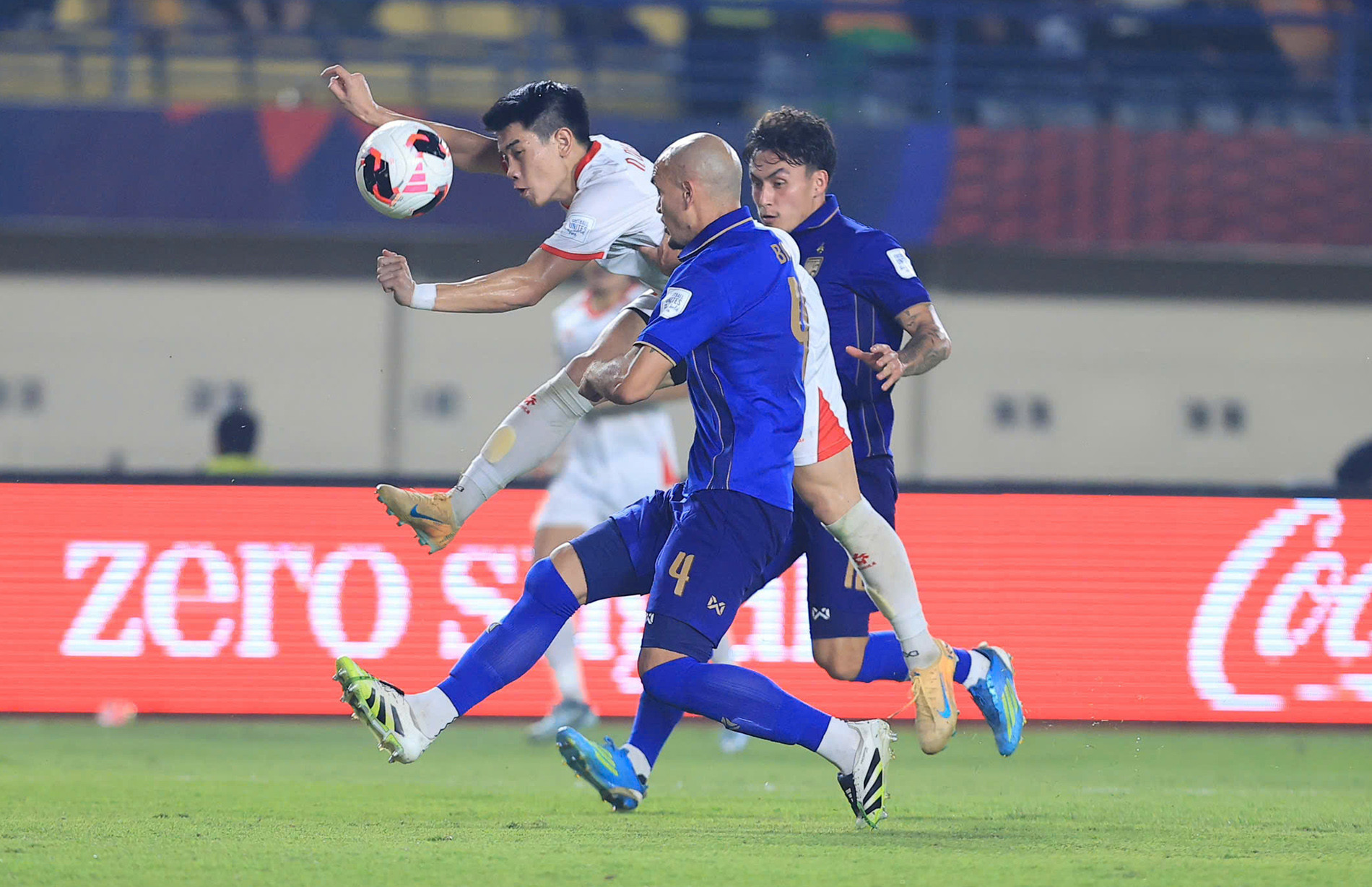
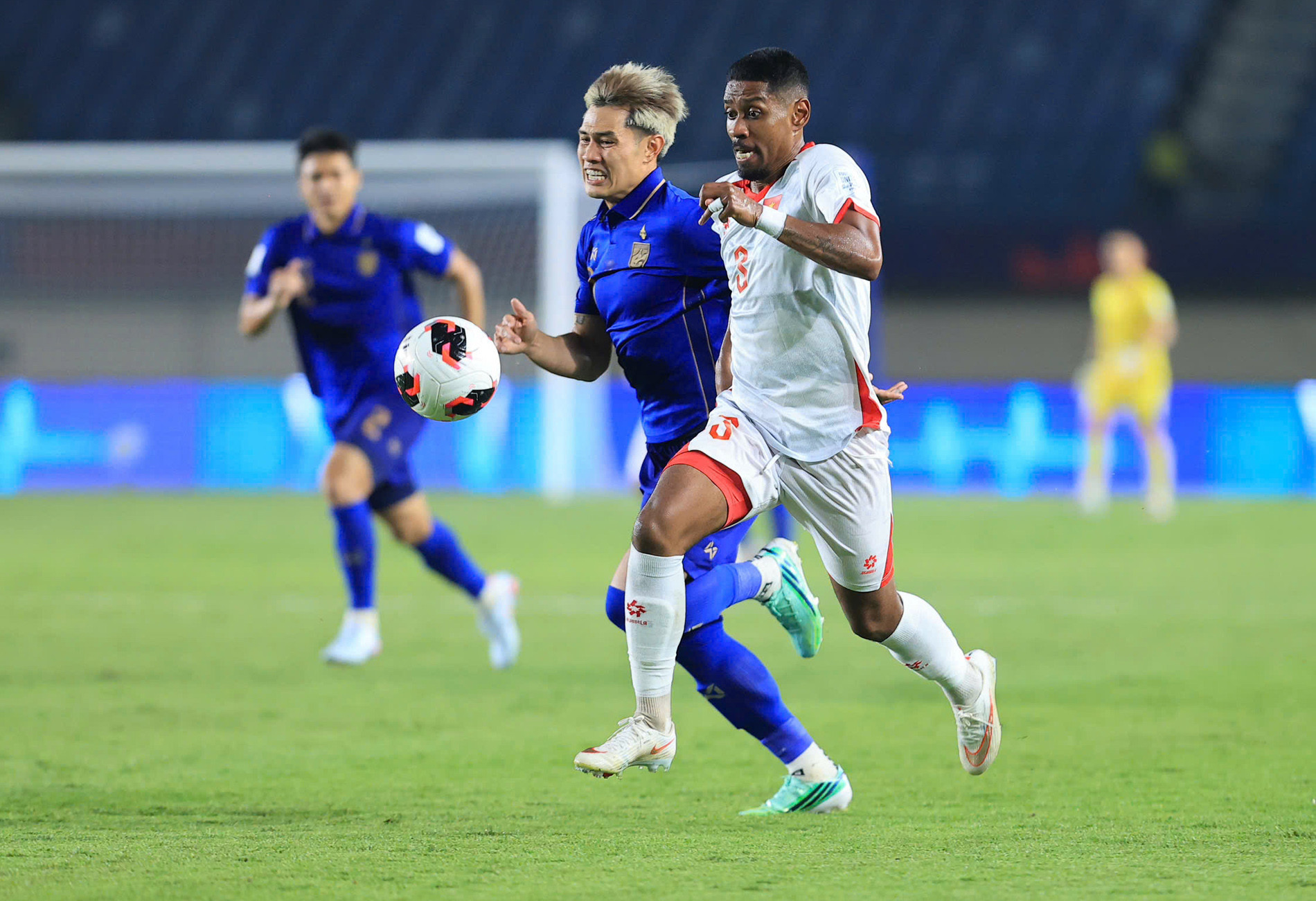
Vietnamese football commentator Quang Huy said Thailand deserved the result, arguing that the balance of strength between the two teams had shifted compared with previous tournaments.
He said Thailand had assembled a stronger squad, while Vietnam were missing important players and had become significantly weaker compared with the ASEAN Cup.
Chanathip, despite no longer being at his peak, remained crucial to Thailand’s attacking structure and ability to connect their play, Quang Huy said.
Thailand attacked less frequently but did so with greater clarity, while their ability to control the game after taking the lead demonstrated their experience.
Vietnam, by contrast, were without several important players.
Quang Huy highlighted the absence of Xuan Son in particular, describing him as still the best center forward available to Vietnam despite the serious injury he had previously suffered.
Dinh Bac, he said, is naturally more comfortable playing wide and remains inexperienced when used as a central striker.
The commentator also warned against overestimating Vietnam’s position in Southeast Asian football as Thailand, Indonesia, Malaysia and the Philippines continue strengthening their squads.
For Quang Huy, Thailand’s quality was ultimately the key factor.
Kim had set Vietnam up to defend, counterattack and transition quickly, but conceding after only 10 minutes disrupted that plan and forced his side to push forward earlier than intended.
Kim takes responsibility
Kim accepted responsibility after the defeat and apologized to Vietnamese supporters.
“I want to apologize to the fans. Our players gave everything in this match,” he said. “I prepared different tactical plans for the two halves, but the final result was not what we wanted. Although we lost, the tournament is not over. The team will continue preparing for the upcoming match against Pakistan.”
Kim acknowledged that Vietnam had struggled particularly in midfield during the first half.
After personnel and tactical changes, he believed the team performed better in the second half and increased the pressure on Thailand.
But Vietnam could not convert their opportunities.
“As head coach, this result is my responsibility,” Kim said.
He also acknowledged the impact of Xuan Son’s absence, saying Vietnam might have scored had the striker been available, although he stressed that this remained hypothetical.
Kim said Thailand had brought a stronger squad to the FIFA ASEAN Cup than they had fielded at the ASEAN Cup, while Vietnam had undergone numerous changes and had not prepared as well as their opponents.
Players admit missed chances proved costly
Hoang Duc, who entered at halftime, said Vietnam had created opportunities but failed to convert them.
“Vietnam were unlucky. We had many chances but couldn't score. In football, there are wins and losses, so we have to accept it,” he said.
Hoang Duc said he had completed only two full training sessions before the match and was not yet fully accustomed to playing at high intensity.
He also praised Chanathip as one of Southeast Asia’s leading players, saying the Thai captain’s presence provided significant motivation and confidence to his teammates.
Dinh Bac was equally disappointed but said the defeat should become a lesson for Vietnam.
“We tried hard and created many dangerous chances. But in football, when you cannot score, you pay the price by conceding,” he said. “No team can remain unbeaten forever.”
Vietnam’s match report showed the team had continued to press deep into the second half but struggled to break through Thailand’s compact defense.
Thailand celebrate ending Vietnam’s unbeaten streak
For Thailand, the result carried significance beyond three points.
Chanathip said he had personally gone around five years without beating Vietnam and had watched their regional rivals improve substantially during that period.
Vietnam had gone 27 consecutive matches unbeaten before the defeat, making the victory particularly satisfying, he said.
Thailand coach Anthony Hudson also highlighted the importance of overcoming an opponent his team had struggled to beat in recent years.
He described the current Thai squad as the best generation of players he had worked with in Thai football and said having a strong lineup gave him confidence his team could finally overcome Vietnam.
Thai media celebrated the result, with Siam Sport highlighting both the final berth and Thailand’s rise to No. 90 in the FIFA rankings, while reporting that Vietnam had slipped two places to No. 99.
Indonesia’s Kompas also focused on the end of Vietnam’s unbeaten streak and Thailand’s superior efficiency.
Vietnam recorded more shots, but Thailand generated more efforts on target and made better use of their opportunities.
Thailand’s two goals came from Sarach in the 10th minute and Otton in stoppage time, while Vietnam’s only effort to reach the net was Tai Loc’s disallowed first-half strike.
A defeat that exposes what Vietnam must fix
The 2-0 loss was not simply the result of Thailand being stronger.
Vietnam also made the task more difficult through tactical and personnel choices that failed to work as intended and required correction after the match had already turned against them.
The defeat ended a long unbeaten run that had at times helped conceal weaknesses behind positive results.
Facing a strong Thailand side at close to full strength brought those shortcomings into sharper focus.
Vietnam were missing key players, but their inability to finish opportunities, uncertainty in several unfamiliar positions and defensive mistakes all contributed to the defeat.
Kim’s experimentation may ultimately prove useful as Vietnam build toward bigger objectives, particularly the 2027 AFC Asian Cup. But against Thailand, the calculations did not produce the desired result.
Vietnam have also suffered another personnel setback, with striker Gia Hung leaving the squad and returning home for family reasons. Following Xuan Son’s injury, Kim now has only Dinh Bac, Tai Loc and Minh Hoang available as strikers.
The team returned to training on September 30 before traveling from Bandung to Jakarta for their match against Pakistan on October 2.
With the title now out of reach, Vietnam must regroup, learn from the defeat and use their remaining matches to test personnel and build a stronger core for the challenges ahead.
Duy Nguyen - Dai Nam - Ngoc Huy
.svg)
