 Vietnamnet.vn

 Podcast



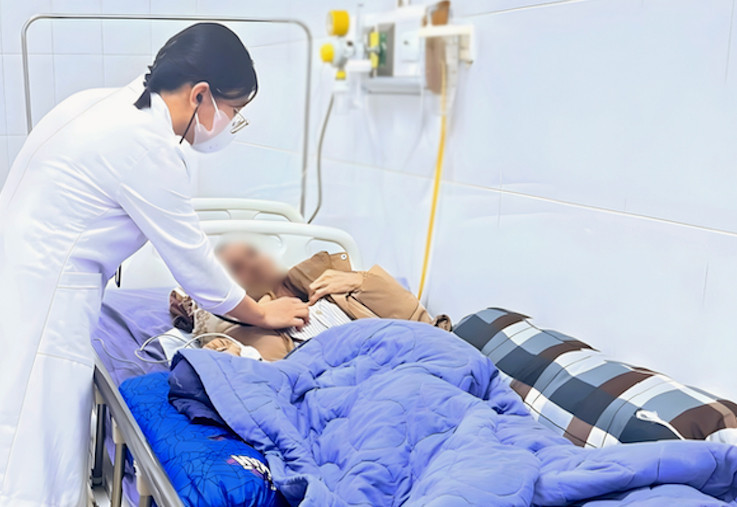
According to Thai authorities, most cases have been recorded among agricultural workers who frequently come into contact with soil and water. Amid concerns over a potential outbreak, Vietnam is urging the public to take proactive measures, recognize symptoms early, and seek medical attention promptly.
Whitmore is a relatively rare disease, primarily linked to environmental exposure rather than human-to-human transmission. It is commonly reported in Southeast Asia and Australia.
In Vietnam, sporadic cases are recorded each year, with higher risks typically emerging after heavy rains, flooding, or storms.
To prevent infection, the Department of Preventive Medicine has outlined eight key measures.
People are advised to limit direct contact with soil, mud, stagnant water, and contaminated water sources, especially in polluted or flood-affected areas.
Protective gear such as boots and gloves should be used during farming, gardening, environmental cleanup, or waste collection, particularly when exposure to soil and dirty water is unavoidable.
Open wounds, ulcers, or burns should be carefully covered and kept clean, avoiding contact with contaminated environments. If exposure cannot be avoided, waterproof coverings should be used and proper hygiene maintained afterward.
Walking barefoot in wet or muddy areas should be avoided, as well as swimming or diving in potentially contaminated water bodies, especially when there are open wounds.
Maintaining personal hygiene is essential, including washing hands with soap and clean water after exposure to soil or dirty water and before eating or drinking.
Safe water and food sources should be used, avoiding any that may be contaminated.
People with underlying conditions such as diabetes, kidney disease, chronic lung disease, liver disease, or weakened immune systems are at higher risk and should take extra precautions, particularly in protecting skin injuries.
After exposure to soil or contaminated water, especially following floods or storms, anyone experiencing symptoms such as fever, cough, chest pain, breathing difficulties, abscesses, or prolonged infections should seek medical care immediately.
Health authorities stress that the public should not panic but remain vigilant and follow preventive measures to protect themselves and their communities.
Whitmore disease, also known as melioidosis, is caused by the bacterium Burkholderia pseudomallei, which naturally exists in soil, mud, and contaminated surface water.
Infection can occur when the bacteria enter the body through cuts or abrasions, through inhalation of contaminated dust or water droplets, or by consuming contaminated food or water.
The disease presents with a wide range of symptoms, making early diagnosis challenging. In severe cases, it can lead to pneumonia, multiple organ abscesses, sepsis, septic shock, and even death if not treated promptly.
N. Huyen
.svg)
