 Vietnamnet.vn

 Podcast



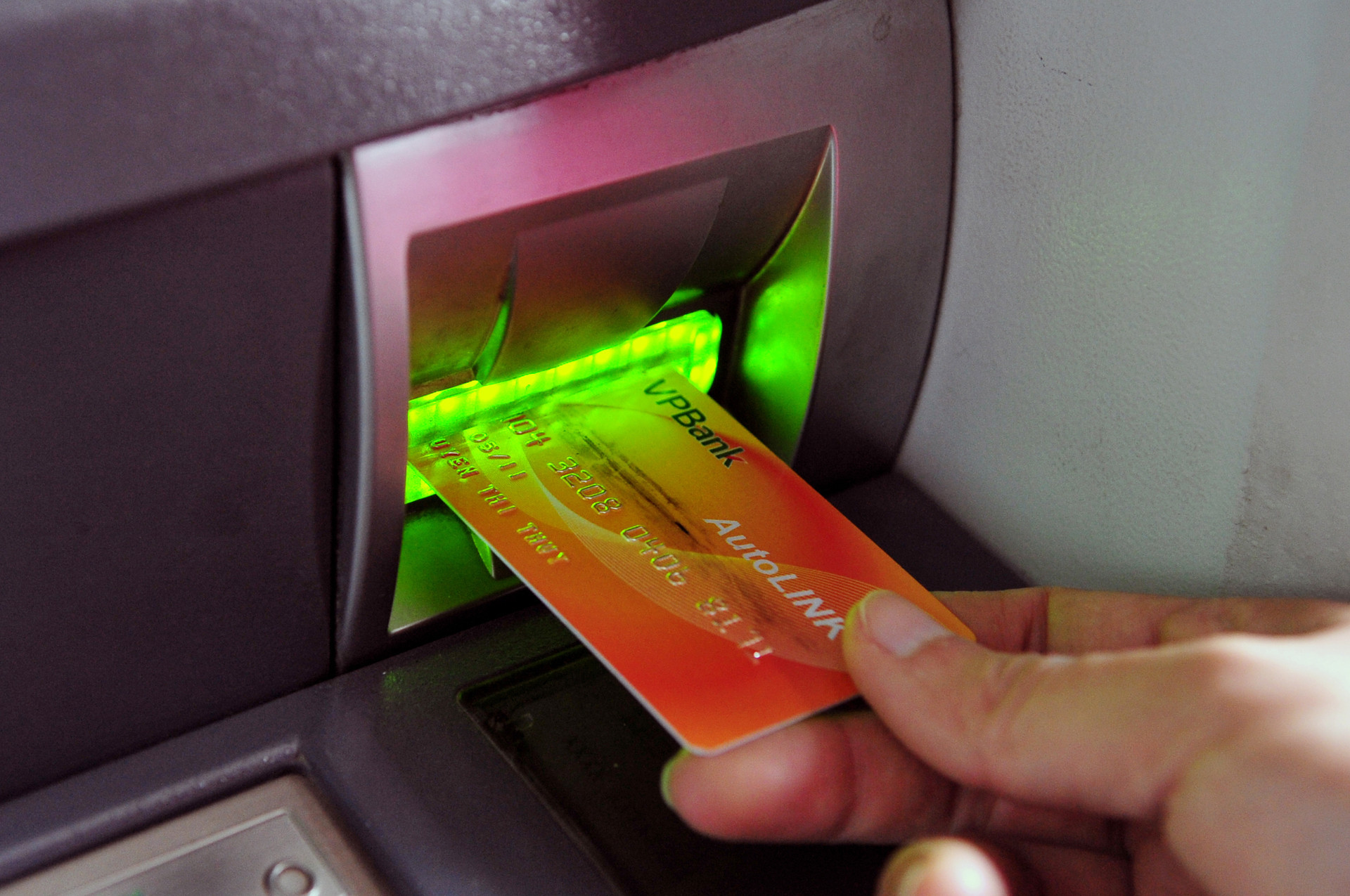
Vietcombank recently received a report from a customer who lost money after being approached by someone pretending to represent the bank.
Upon checking, Vietcombank identified this as a sophisticated scam to steal customer card information and OTP codes.
Before the incident, the scammer repeatedly contacted the customer, posing as a Vietcombank employee and instructing him to activate a new card by providing his OTP. With customer’s trust and desire to upgrade to a higher-tier card, the scammer tricked them into revealing transaction details and subsequently stole their funds.
After the incident, Vietcombank emphasized that its technology system, security protocols, and card delivery processes remain completely safe and secure. All related transactions were legitimate and authenticated by the OTP provided directly by the customer.
As soon as the report was submitted, Vietcombank worked with relevant units to block the card, trace transactions, and coordinate with authorities for further investigation.
Online scams via social media platforms are becoming increasingly common, with constantly evolving tactics aimed at stealing OTP codes to take over victims’ bank accounts.
According to several banks, cybercriminals have recently shifted their focus to deceiving customers into issuing or upgrading to premium cards to obtain personal information.
Scammers acquire victims’ phone numbers from online data trading sources or social media groups. They then impersonate bank employees, calling victims with offers of high-end cards and attractive benefits.
A common scenario includes issuing an international debit card, requiring a deposit to maintain the account balance, and urging customers to use the card to achieve higher spending thresholds to qualify for a premium card with more privileges.
During the process, scammers manipulate victim psychology into disclosing personal information such as account balances, card issue and delivery dates, card details, and OTPs - all used to steal their money.
This impersonation scam has been repeatedly warned about by banks through media, official websites, e-banking apps, and OTT/email messages sent to customers.
In other forms of card information theft, scammers impersonate bank staff and contact victims via phone or fake messages claiming “account locked,” “credit limit upgrade,” or “prize winner” to trick them into revealing card data and OTPs, leading to financial loss.
In response, banks have reaffirmed that they only provide guidance and support through official websites, e-banking applications, customer service hotlines, and authorized branches.
Banks never ask customers to provide card details (card number, expiration date, security code), OTP, or login passwords through any form of communication.
They advise customers to never disclose card information (number, expiry date, CVV), OTPs, usernames, or SmartBanking passwords to anyone, even those claiming to be bank staff.
Customers should avoid clicking on unknown links, downloading unverified apps, or entering sensitive information on unofficial websites.
Never share OTP codes under any circumstance - this is the final layer of security, and if exposed, criminals can immediately steal funds from customers’ accounts.
Nguyen Thi Thu, deputy director of the Payment Department at the State Bank of Vietnam (SBV), said as technology advances rapidly, fraud and scam activities on digital platforms are becoming more frequent and sophisticated. To address this issue, SBV has implemented solutions, delivering clear results.
She cited statistics showing that after biometric authentication was required for money transfers, the number of personal accounts affected by scams fell by about 59 percent, while the total amount of money lost dropped by 52 percent.
To date, commercial banks have completed the biometric data cleaning process for 133 million digital individual accounts and 1.5 million organizational accounts.
Nguyen Thi Thu revealed that upcoming legal frameworks will be amended and expanded, including a proposal to require biometric authentication for organizational customers as well.
Another key measure being developed by SBV is an information management system that supports anti-fraud and anti-scam efforts. Based on data collected from competent authorities and reports from commercial banks, the system enables information sharing among banks.
Since its pilot launch in April with five commercial banks, the system has shown positive initial results. Around 1.5 million transactions received warnings, leading to 490,000 canceled transactions worth about VND1,800 billion.
Online scams via social media platforms are becoming increasingly common, with constantly evolving tactics aimed at stealing OTP codes to take over victims’ bank accounts.
Duy Anh
.svg)
