 Vietnamnet.vn

 Podcast


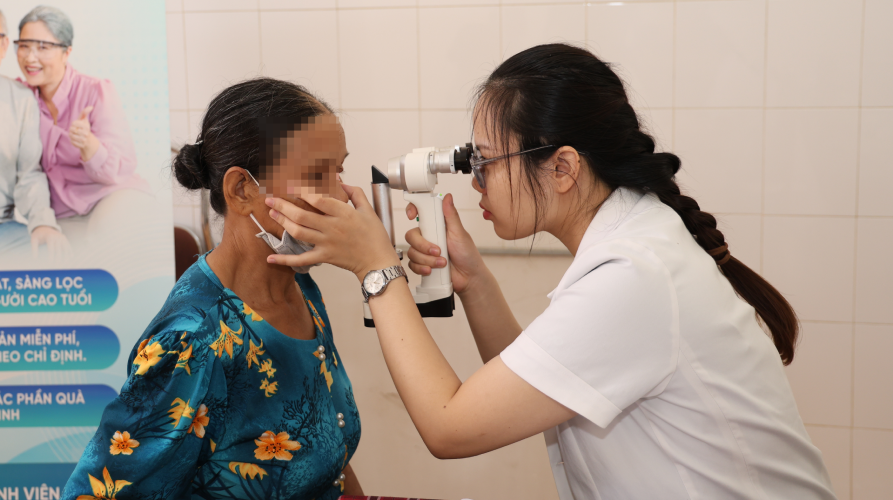
Dr. Bui Phuong Linh, an ophthalmologist at Dong Do Hospital in Hanoi, highlighted these risks during a recent community eye screening in Kim Binh Commune, Tuyen Quang Province.
Of the 300 people examined, 100 required medical intervention, she said. Many patients had also resorted to inappropriate home remedies that could worsen their conditions, including steaming their eyes with betel leaves, applying cotton soaked in milk, putting lemon juice into their eyes or washing them with highly concentrated saltwater.
Dr. Linh identified three common eye conditions that pose serious threats to vision.
Cataracts: This condition occurs when the eye's natural lens gradually loses its transparency, causing blurred or cloudy vision, often described as looking through a layer of fog. Cataracts are a major cause of blindness, although surgery can restore vision in many cases.
Glaucoma: This disease damages the optic nerve and can progress silently, with few noticeable symptoms in its early stages. Once vision is lost because of optic nerve damage, it generally cannot be restored, making early detection particularly important.
Retinal diseases: These include age-related macular degeneration and retinal damage associated with diabetes and high blood pressure. Such conditions can also seriously threaten eyesight.
Without timely diagnosis and appropriate treatment, these diseases can significantly impair vision and reduce quality of life.
According to Dr. Linh, people living in Vietnam's mountainous regions, particularly ethnic minority communities, continue to face significant barriers to healthcare.
Beyond geographical challenges, the costs of medical examinations, medication, accommodation and time away from work can discourage patients from seeking treatment, even when they have health insurance.
Some patients also face language barriers and limited access to health information suited to their local circumstances and cultural backgrounds.
In remote communities where hospitals are far away, many people simply accept living with increasingly blurred vision, as though seeing the world through a veil of mist.
For eye conditions requiring long-term treatment, initial screening is only the first step. Patients also need referrals to appropriate medical facilities, treatment, follow-up appointments and monitoring after medical intervention.
These challenges are particularly concerning for older adults with eye diseases. Many assume deteriorating eyesight is a normal part of aging and therefore do not seek medical attention.
In reality, declining vision not only interferes with everyday activities but also increases the risk of falls, reduces people's ability to care for themselves and makes them more dependent on family members.
Vision loss can also contribute to social isolation, sadness and an increased risk of depression.
To improve access to treatment, the Free Your Eyes Fund and the "Million Bright Eyes" program are covering 100% of examination costs for patients who register for surgery. The initiative also provides round-trip transportation between local communities and Hanoi.
Phuong Thuy

