 Vietnamnet.vn

 Podcast



Tran Nghi
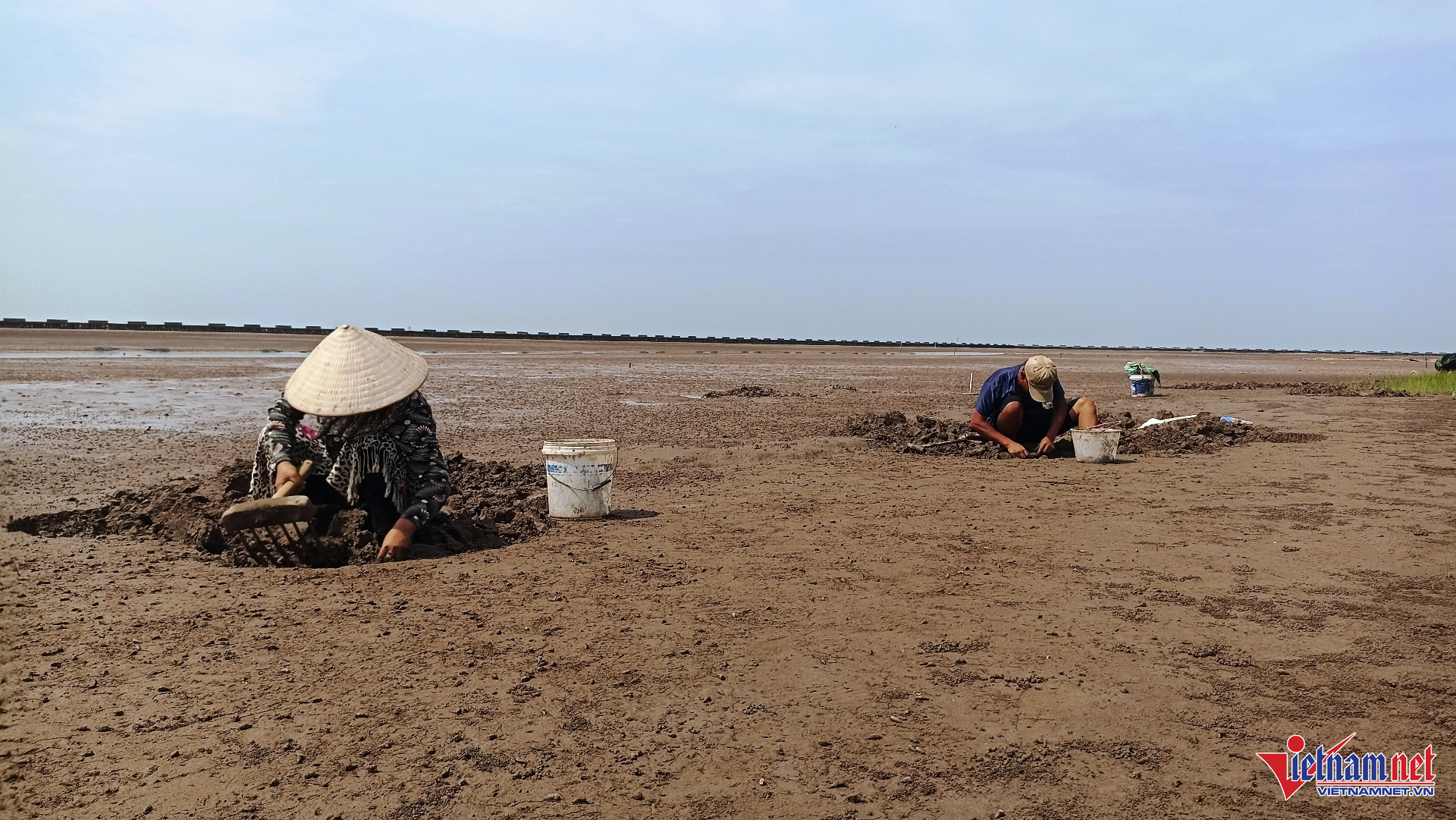
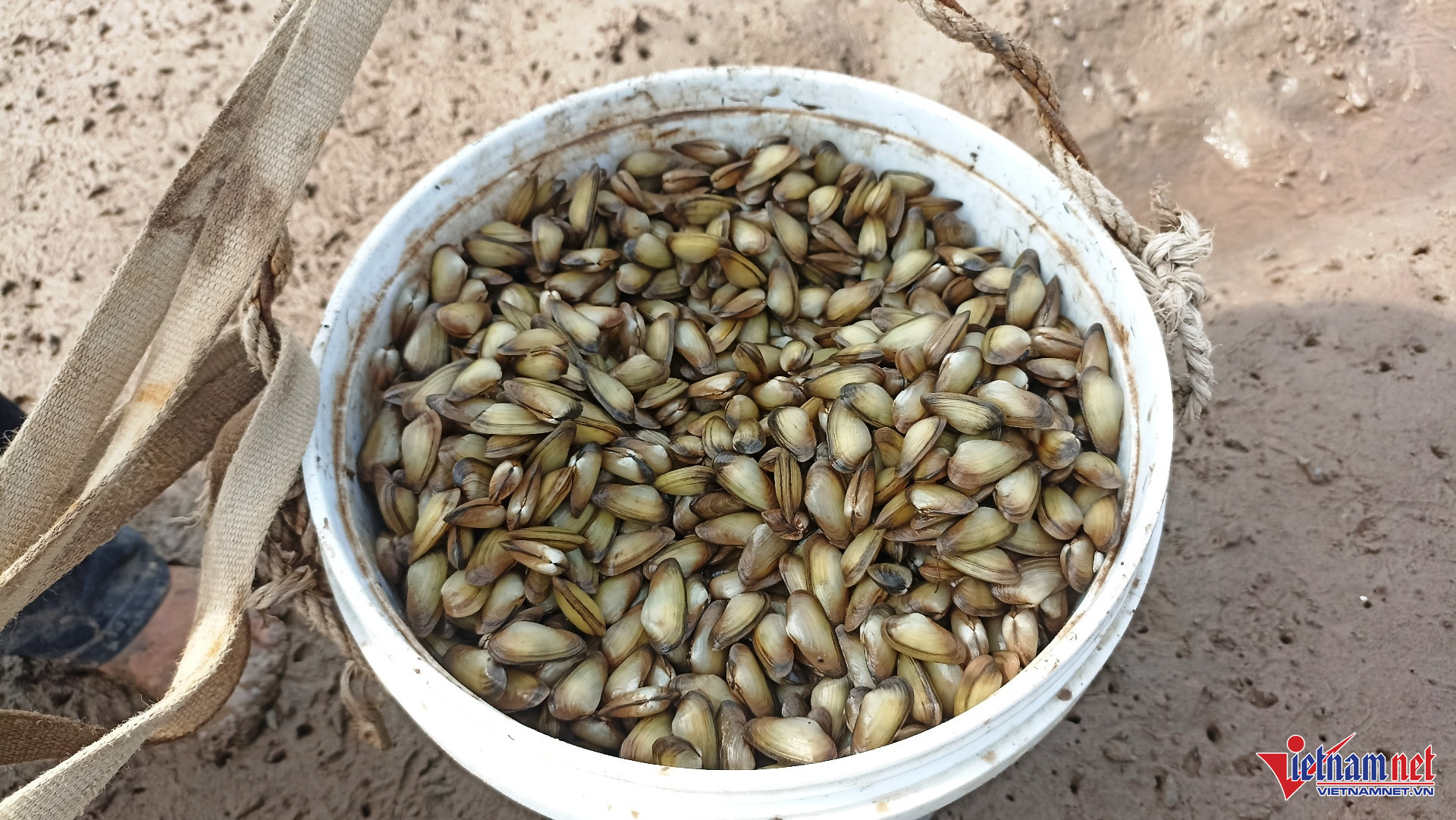
Every day as the tide retreats, dozens of residents from Giao Ninh and Kim Dong communes in Ninh Binh Province make their way onto the broad sandflats of Con Noi, where they search for don - a tiny shellfish regarded locally as one of nature's seasonal gifts.
Armed with nothing more than a simple rake, they spend hours combing through the sand, earning several hundred thousand Vietnamese dong a day from their catch.
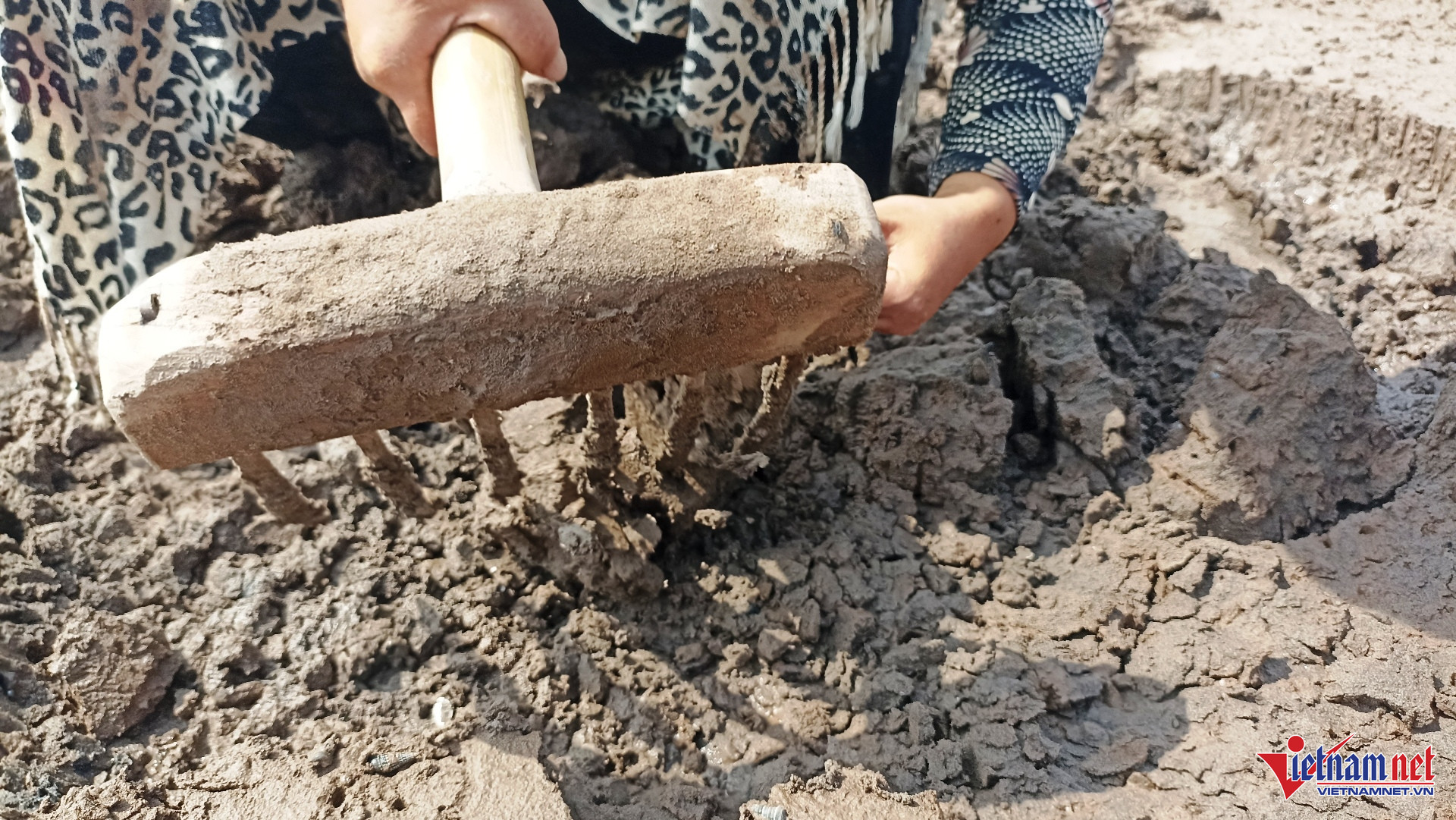
To collect don, harvesters use a handmade rake crafted from iron or wood, fitted with a bamboo or wooden handle. Along its base are evenly spaced metal teeth about 3-5 centimeters apart. Some attach a small net behind the rake to catch the shellfish, while others wear baskets or mesh bags around their waists.
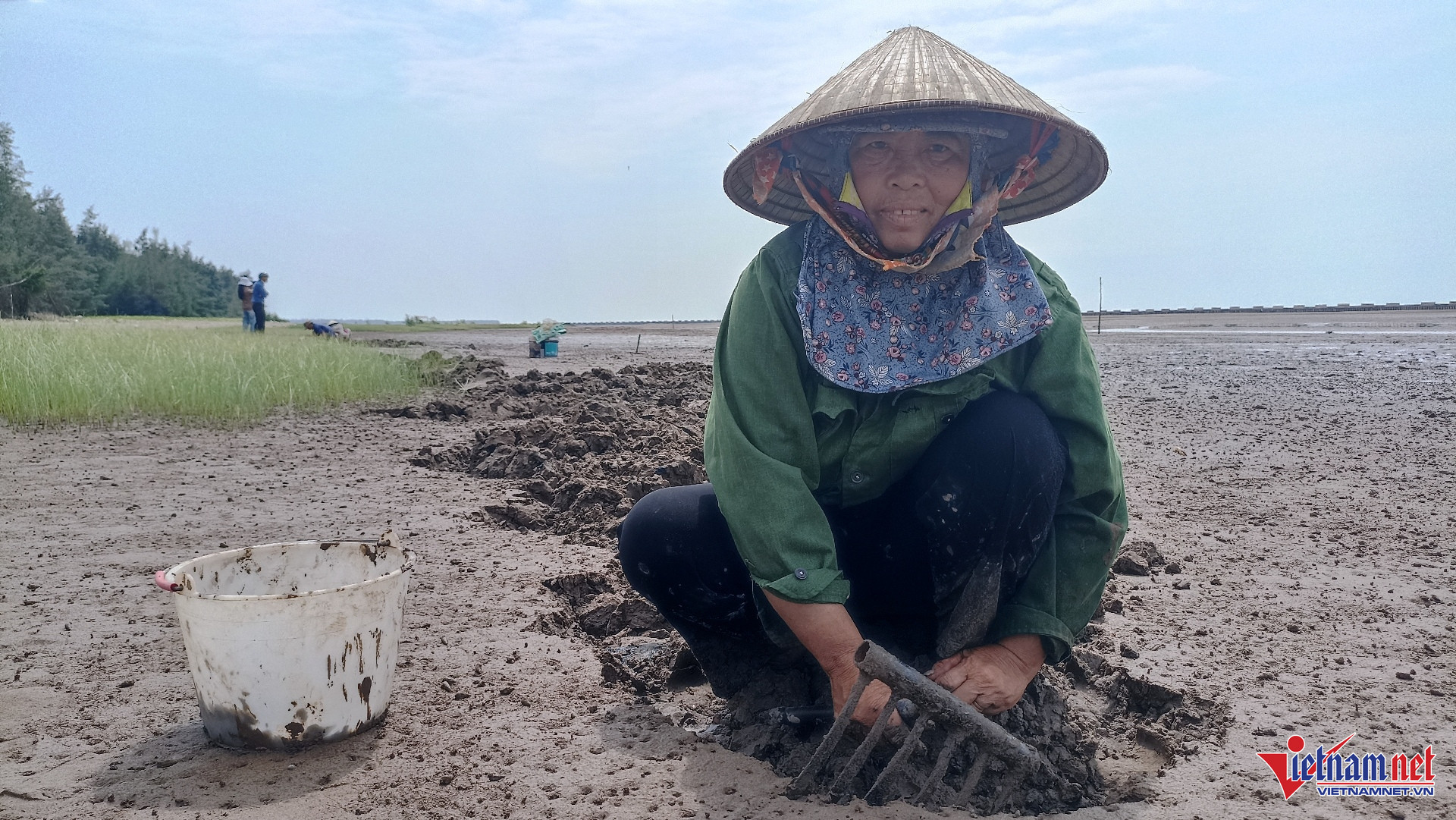
Bent over the sand, moving her iron rake swiftly through the surface, Nguyen Thi Lua, a resident of Giao Ninh Commune, said she has been harvesting don since childhood.
"We leave home at around 4 a.m. to get here before low tide. Once the water recedes, we start raking the sand and continue until the tide comes back in," she said.
"On a good day, each of us can collect around 20 kilograms of don. After expenses, we earn more than 300,000 Vietnamese dong (US$11.50) a day."
According to Lua, although the work is physically demanding, it has helped supplement her family's income for decades alongside farming.
Covered from head to toe to protect herself from the summer sun, Bui Thi Quynh said the work becomes especially exhausting during periods of extreme heat.
"Harvesting don is hard work, particularly on hot days. We have to make the most of the few hours before the tide returns so we can earn a little extra income," she said.
Finding don requires workers to rake beneath the sand before carefully picking out the shellfish as they emerge.
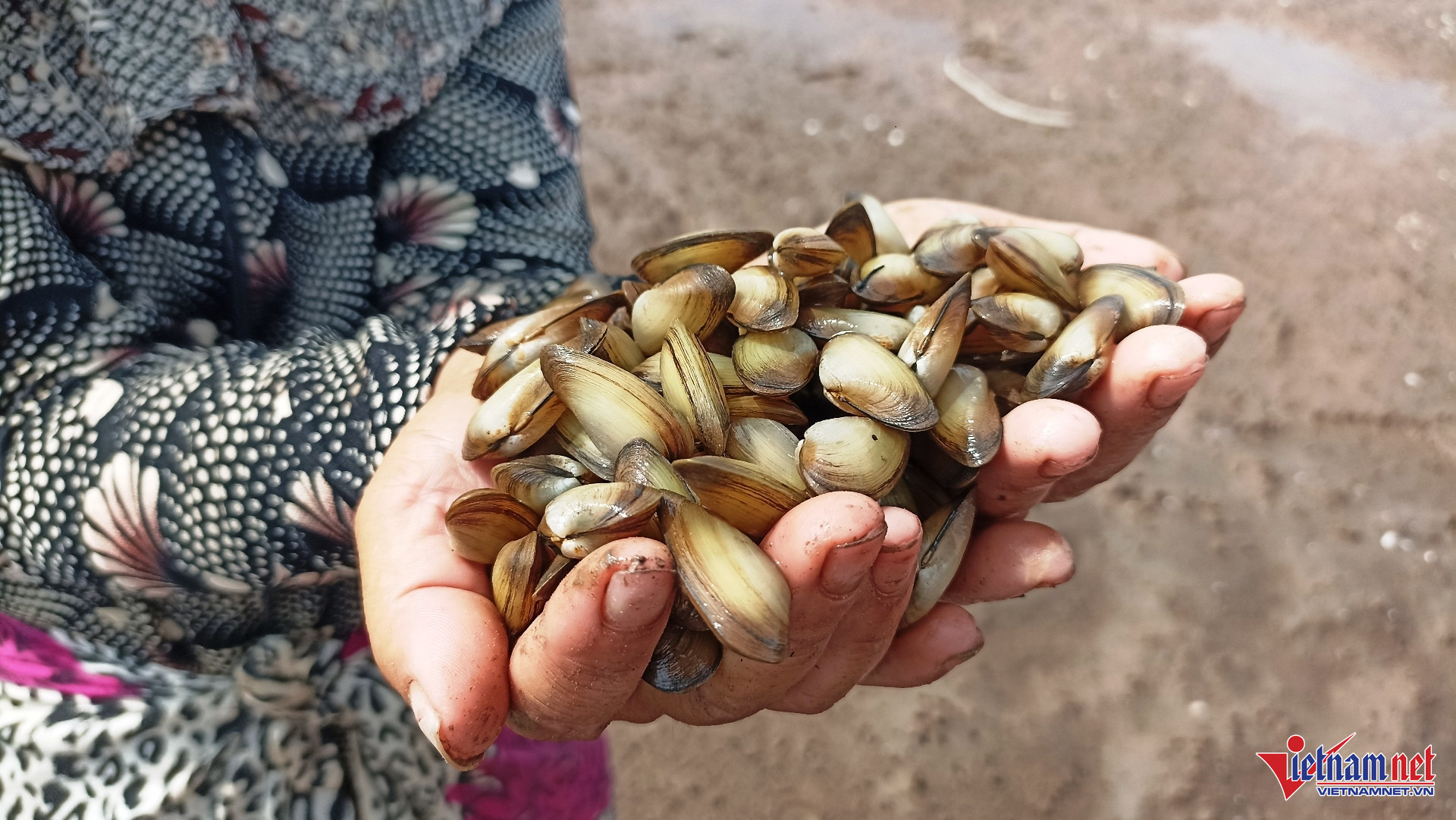
Because their shells are extremely thin and fragile, rough handling can easily crush them, making them unusable.
Local harvesters say the trade does not require sophisticated techniques but instead depends on patience, endurance and what they call "a professional eye."
To collect large quantities, workers must quickly recognize subtle signs beneath the sand that reveal where the shellfish are buried.
Although relatively unfamiliar outside the region, don belong to the same family of bivalve mollusks as clams and freshwater mussels. They are much smaller, however, with thin, flattened shells typically covered in pale yellow or moss-green sand.
Despite their tiny size, don are prized for their naturally sweet and delicate flavor.
In northern Vietnam, they are commonly prepared in soups with Malabar spinach or water spinach, or cooked into a light porridge - simple dishes that have long been enjoyed as refreshing meals during the country's hot summer months.
.svg)
