 Vietnamnet.vn

 Podcast



Tinh Le
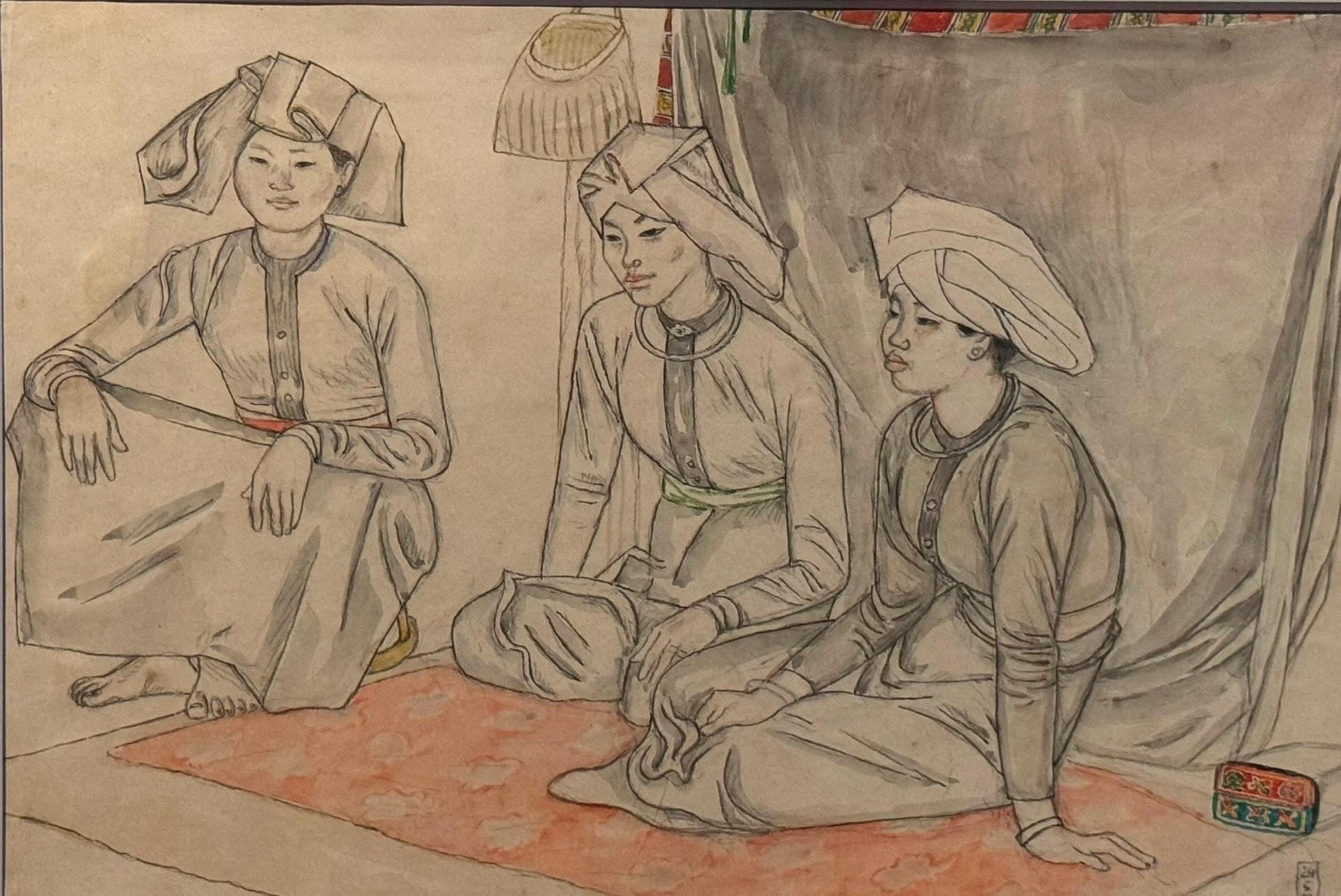
On the morning of December 18 in Hanoi, the Vietnam Fine Arts Museum opened a special exhibition space dedicated to honoring To Ngoc Van (1906–1954) - a revered painter and martyr who stands as a monumental figure in the revolutionary and modern art movements of Vietnam.
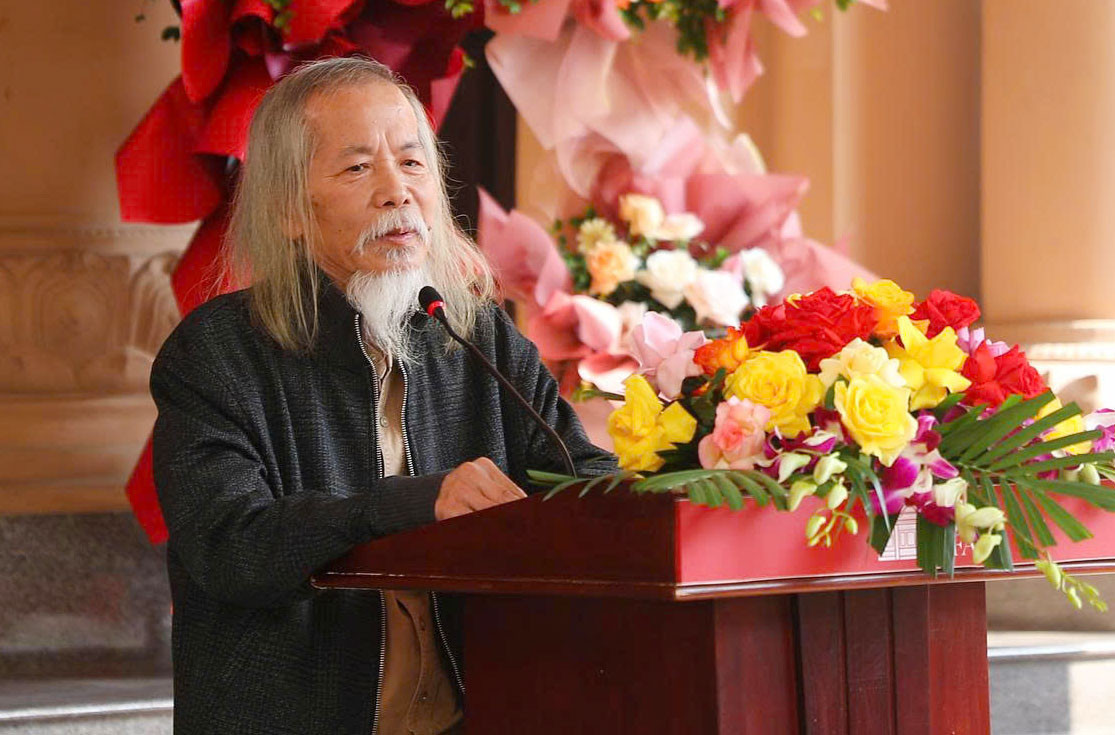
Luong Xuan Doan at the exhibition’s opening ceremony.
Artist Luong Xuan Doan remarked that commemorating the 120th birthday of To Ngoc Van with this special exhibition is not only a personal tribute but also an opportunity to reflect on a pivotal chapter in Vietnamese fine arts, one deeply intertwined with national history. He emphasized that To Ngoc Van’s passing at Dien Bien Phu 71 years ago represents a noble and complete departure - true to the spirit of an artist-soldier.
According to Luong Xuan Doan, as early as 1954 - around the time President Ho Chi Minh declared Vietnam’s independence - To Ngoc Van was already producing artworks that captured the energy of Hanoi and the spirit of resistance. One such piece, Hanoi rises up, marked the beginning of a philosophy that fused the artist’s mission with revolutionary struggle, particularly during his time working in the Viet Bac resistance base.
Beyond his artistic brilliance, To Ngoc Van made significant contributions as an educator. As part of the inaugural class of the Indochina College of Fine Arts, he left an indelible mark with iconic works celebrating Vietnamese women and traditional beauty. He also played a crucial role in training young artists during the resistance in northern Vietnam, later returning to Hanoi to serve as Principal of the Vietnam University of Fine Arts.
Luong Xuan Doan stressed that this foundation laid by To Ngoc Van helped shape a generation of artist-soldiers, who in turn established the technical and conceptual groundwork for contemporary Vietnamese art. He noted that had To Ngoc Van not perished at Dien Bien Phu, the course of Vietnamese fine arts history might have taken a different path - but his ultimate sacrifice created a lasting and noble symbol.
“The passing of To Ngoc Van was a profound loss for Vietnamese fine arts,” Luong Xuan Doan expressed.
He went on to describe To Ngoc Van as a bridge between Western academic painting and the essence of Vietnamese culture - transforming mediums, colors, and techniques into a uniquely Vietnamese visual language that reflects the people’s life, spirit, and beauty through various historical periods.
The lessons To Ngoc Van left behind, according to Luong Xuan Doan, still hold relevance for today's generations of artists. His legacy includes technical mastery, deep commitment, and a sense of responsibility that every artist should uphold toward their country and fellow citizens.
He expressed sincere appreciation to those who organized this special exhibition, calling it a fitting tribute to the painter’s immense contributions and a poignant reminder to future generations never to forget the values painstakingly built by their forebears.
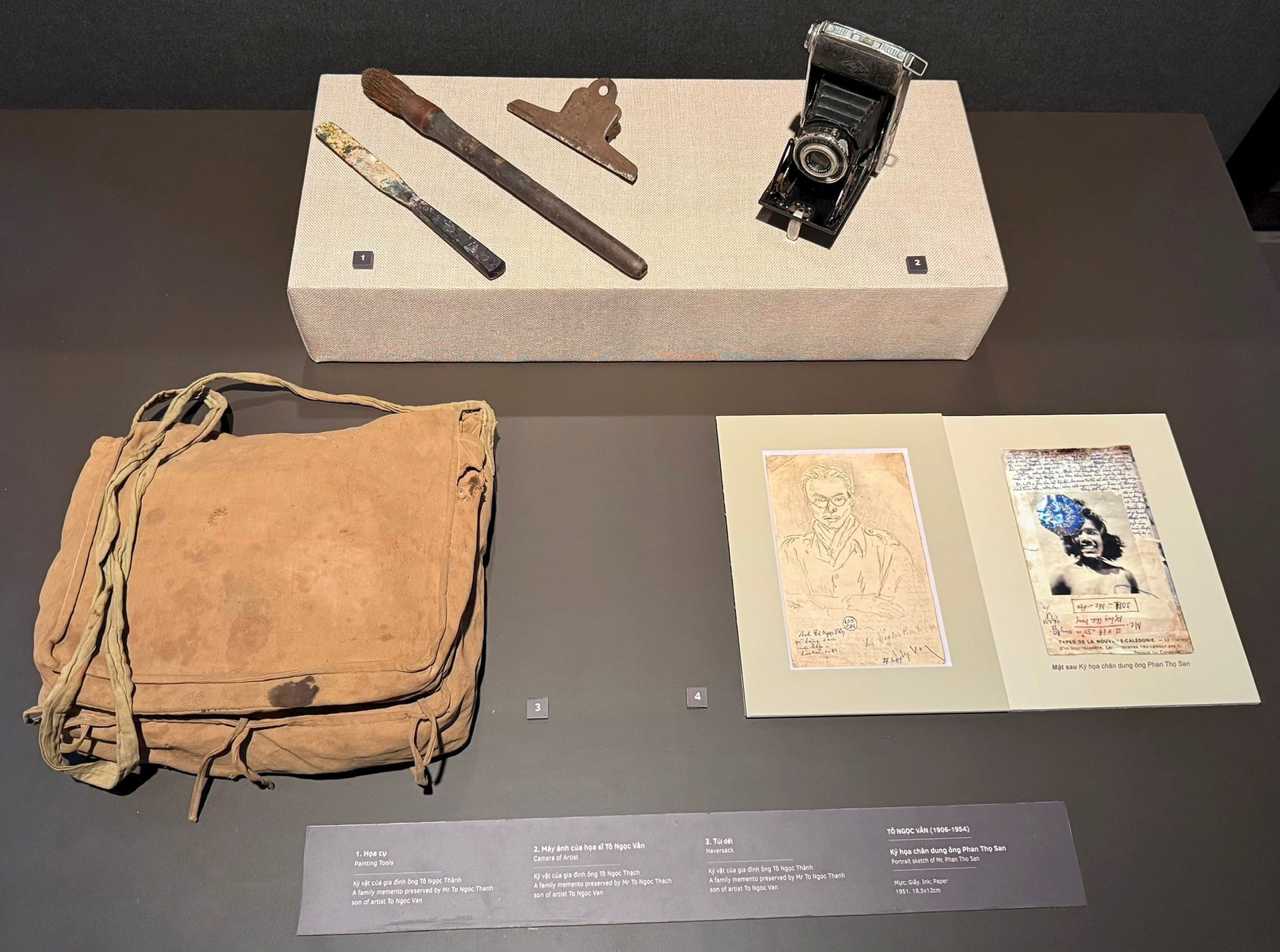
Valuable relics of painter To Ngoc Van on display.
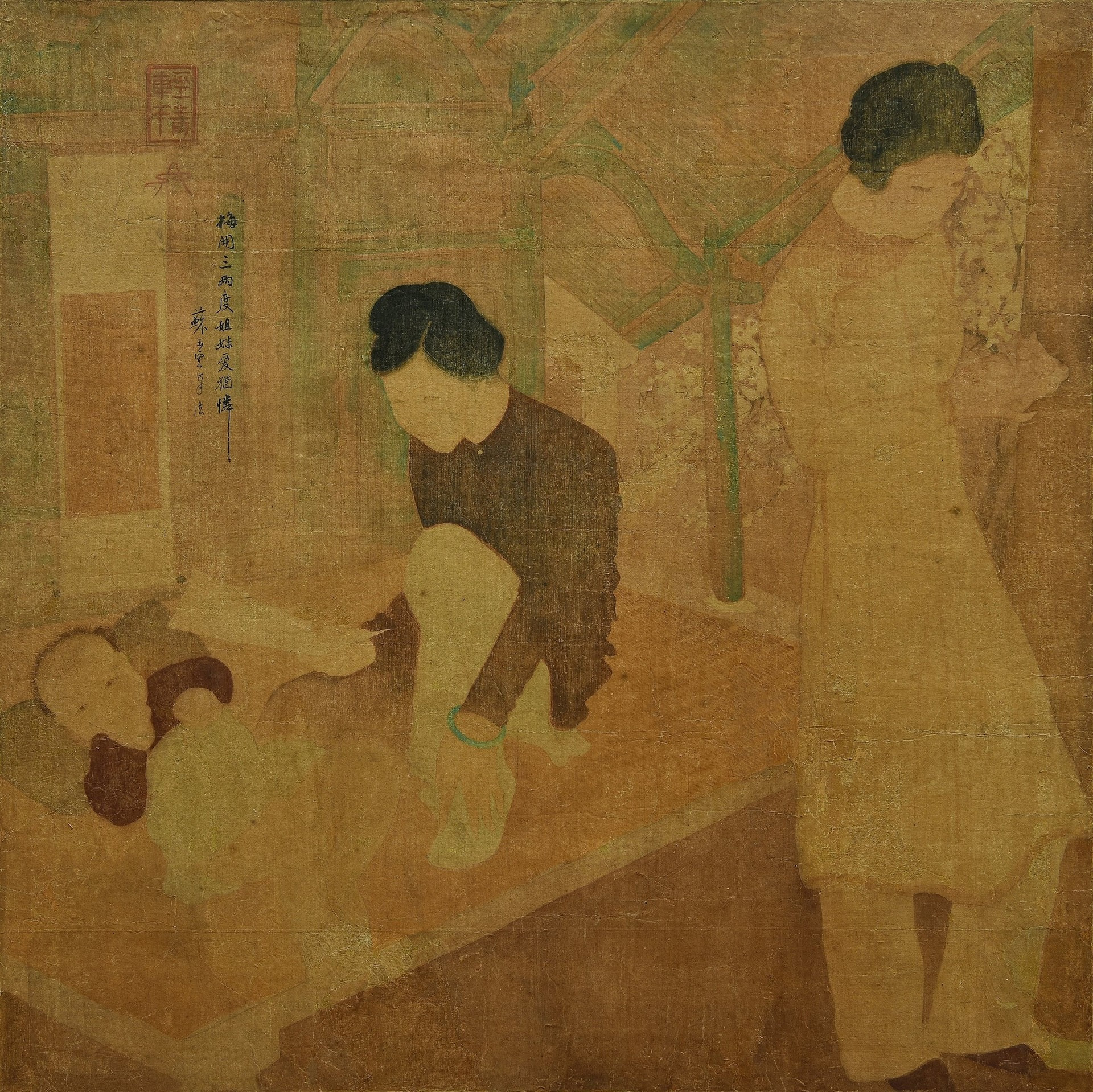
Artwork titled The letter.
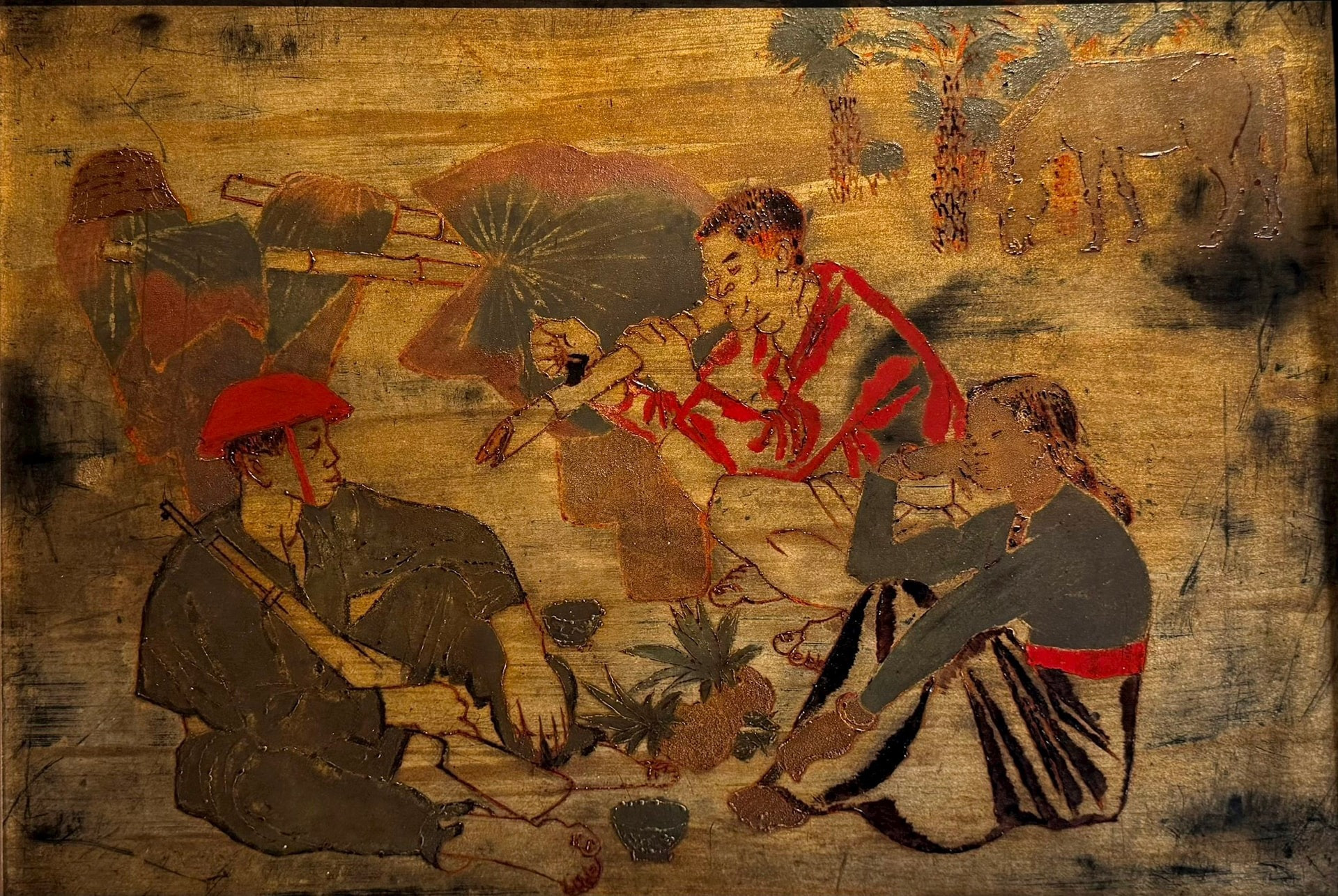
Artwork titled Resting by the roadside.
.svg)
