 Vietnamnet.vn

 Podcast



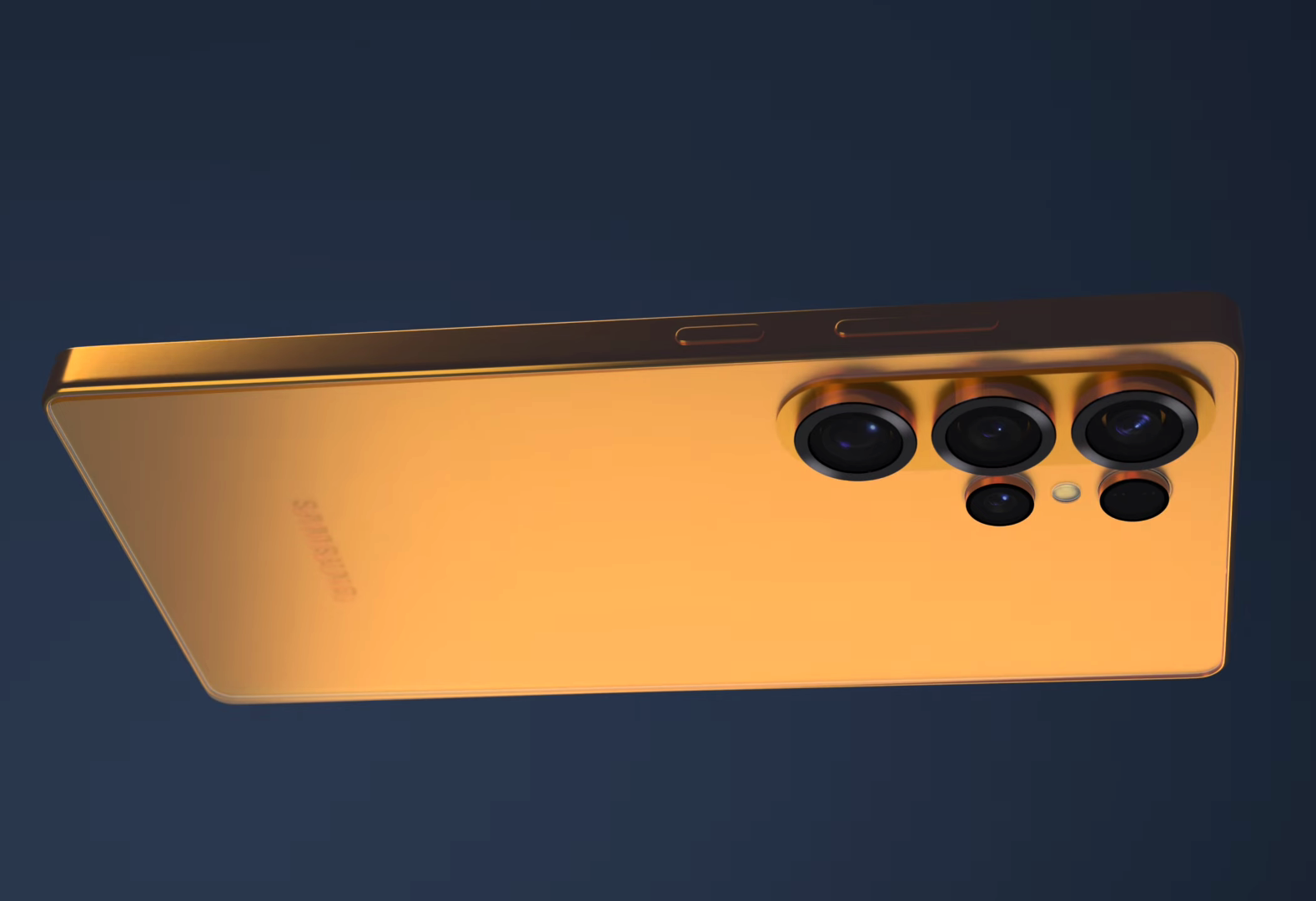
Despite its strong launch, the S25 Ultra quickly lost momentum, while Apple’s iPhone 16 Pro Max continues to dominate the global market.
A fading flagship amid rising competition
The S25 Ultra, once a best-seller during Q1 and Q2, failed to maintain its presence into Q3. Instead, Samsung's top spots were taken over by the mid-range Galaxy A56 and other A-series models, reflecting a clear shift in consumer preference.
Meanwhile, the iPhone 16 Pro Max held steady in third place globally, and the recently launched iPhone 17 Pro Max has begun outselling its predecessor.
Even Apple’s more affordable iPhone 16e, released around the same time as the S25 Ultra, has maintained a solid position across two quarters.
Samsung, once a fierce rival to Apple in the premium space, now finds its high-end devices struggling for relevance.
Samsung’s strengths shift to mid-range
According to data from Counterpoint, all five of Samsung’s best-selling models in Q3 were from the Galaxy A series. These devices have benefitted from inherited AI features, faster charging, and extended software support, offering better perceived value.
This contrasts sharply with the Galaxy S25 Ultra, which, despite meaningful upgrades - such as a unique privacy display, enhanced night photography, the promising Exynos 2600 chip, improved ergonomics, and better battery - couldn’t maintain traction.
Photos from Counterpoint show the top smartphones in Q1 and Q2 2025, with the S25 Ultra featured early on, only to be overtaken later by more affordable offerings and Apple’s consistent performers.
A steep climb ahead for Galaxy S26 Ultra
Looking ahead, the S26 Ultra will have to do more than minor upgrades to regain lost ground. While it is expected to include refinements such as faster charging, a slightly updated design, and a next-gen chip, these changes alone may not justify a higher price tag - especially as a price increase is anticipated.
Samsung may be holding back some surprises - perhaps in AI optimization or a standout new feature - hoping to deliver a compelling reason for users to upgrade from the S25 Ultra. However, the true challenge lies not in the phone’s technical capabilities, but in its market appeal.
iPhone 17 Pro Max is on track to outsell its predecessor, while the Galaxy S26 Ultra risks repeating the S25’s fate: fading from the charts before making a meaningful impact.
Samsung's identity crisis in the premium segment
A concept video of the Galaxy S26 Ultra from SamTech illustrates what could be, but industry insiders like PhoneArena and The Verge note a broader concern: if Samsung accepts its reputation as a maker of excellent mid-range phones but lackluster flagships, it may never truly compete with Apple at the high end.
Samsung still leads the foldable market, but that edge could disappear the moment Apple releases its first foldable iPhone. A similar shift occurred when the iPhone 12 - Apple’s first 5G model - swiftly dethroned Samsung’s leadership in 5G smartphone sales.
In conclusion, unless Samsung repositions its Ultra series with stronger value, bolder features, or disruptive pricing, the S26 Ultra could find itself battling obscurity in a market increasingly dominated by Apple’s finely tuned flagship lineup.
Hai Phong
.svg)
