 Vietnamnet.vn

 Podcast



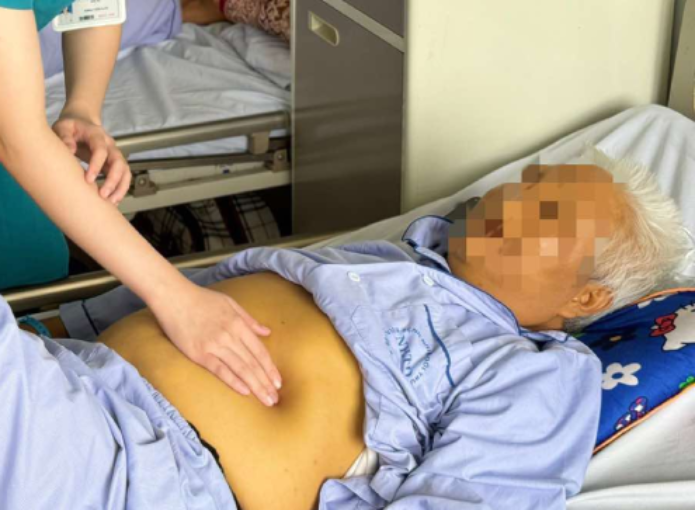
Many families such as these are grappling with elderly parents ignoring their children’s advice, chasing unverified healing trends and “natural cures” seen on the internet.
Nguyen Nguyet Linh from Phu Xuyen, Hanoi, shared her family’s story. Since her nearly 70-year-old mother got a smartphone, she has often watched health-related content on social media.
Every few days, she finds and adopts a new “health protection” method taught by unknown advisers on the internet. Most recently, she began sitting in the yard under the midday sun. Concerned for her mother’s health, Linh tried to intervene, but her mother dismissed it, believing it was a “green lifestyle” that “heals” cells and detoxifies the body.
“My mother had constipation and heard online that eating figs could cure it. She bought heaps, juiced them, pickled them, and ate so much until it worsened her condition, so she stopped. Before we could celebrate, she switched to drinking lemon juice and sunbathing at noon,” Linh said.
Two days ago, Linh discovered that her mother had joined a group promoting colon detox with coffee. Linh sent her reports of emergency cases at Bach Mai Hospital (Hanoi), but it failed to dissuade her.
Dr Ha Hai Nam, Deputy Head of Abdominal Surgery Department 1 at K Hospital (Hanoi), described a case of a nearly 70-year-old male patient who came in with epigastric pain and acid reflux. Endoscopy revealed abnormalities suggestive of stomach cancer. His two sons urged him to be hospitalized, but he refused.
The patient turned on his smartphone and showed a video promoting a cancer cure through fasting and sunbathing for seven days, claiming many followed it. His sons were helpless, tears welling up. The doctor could only offer encouragement to ease the patient’s mind and gently dissuade him.
Days later, Nam received a message from the sons, saying their father refused hospitalization and was “healing” at home following online advice.
In another case, Mai Thi Tho (Nam Dinh) felt powerless as her mother became obsessed with joint pain remedy ads from a famous KOL (key opinion leader) named H.H. Her mother admired H.H., eagerly watching his product promotion videos.
“Every time we siblings told her not to buy unverified drugs online, she’d say, ‘They do charity; why would they scam for a few hundred thousand VND?’ We’re exhausted, constantly worried about our parents’ health but unable to do more,” Tho shared.
Conservative parents
Dr Nguyen Huy Hoang, an expert at the Vietnam-Russia Hyperbaric Oxygen Center (Ministry of Defense), cited technology’s important role in spreading medical knowledge but noted it also opens the door to misinformation targeting vulnerable elderly people.
Older adults tend to be stubborn and conservative, trusting their life experience over their children’s advice. Even highly educated individuals can fall for enticing ads promising “natural healing” without medication.
“These tactics exploit the desire for low-cost, simple solutions and natural therapies,” Hoang commented.
For those living on modest pensions or relying on their children, “cheap, effective” remedies are particularly appealing. Even when children work in healthcare, they often fail to convince their parents to abandon unverified treatments.
A common example is “functional foods” or “natural therapies” heavily advertised on social media, promising to cure chronic illnesses without doctors. These promotions often include eye-catching visuals, videos, and fake certifications.
To address this, Hoang emphasized the need for accurate communication. “Information from credible sources like mainstream media, health authorities, or qualified doctors can help people discern truth,” he said. However, reaching and persuading older adults is challenging. It requires patience and relatable, easy-to-understand communication to make them receptive to scientific advice.
Amid overwhelming information, individuals must become “smart filters,” especially for their own and their family’s healthcare. For the elderly, the companionship of their children and access to reliable information are key to avoiding traps and pursuing safe, effective medical solutions.
Phuong Thuy
.svg)
