 Vietnamnet.vn

 Podcast



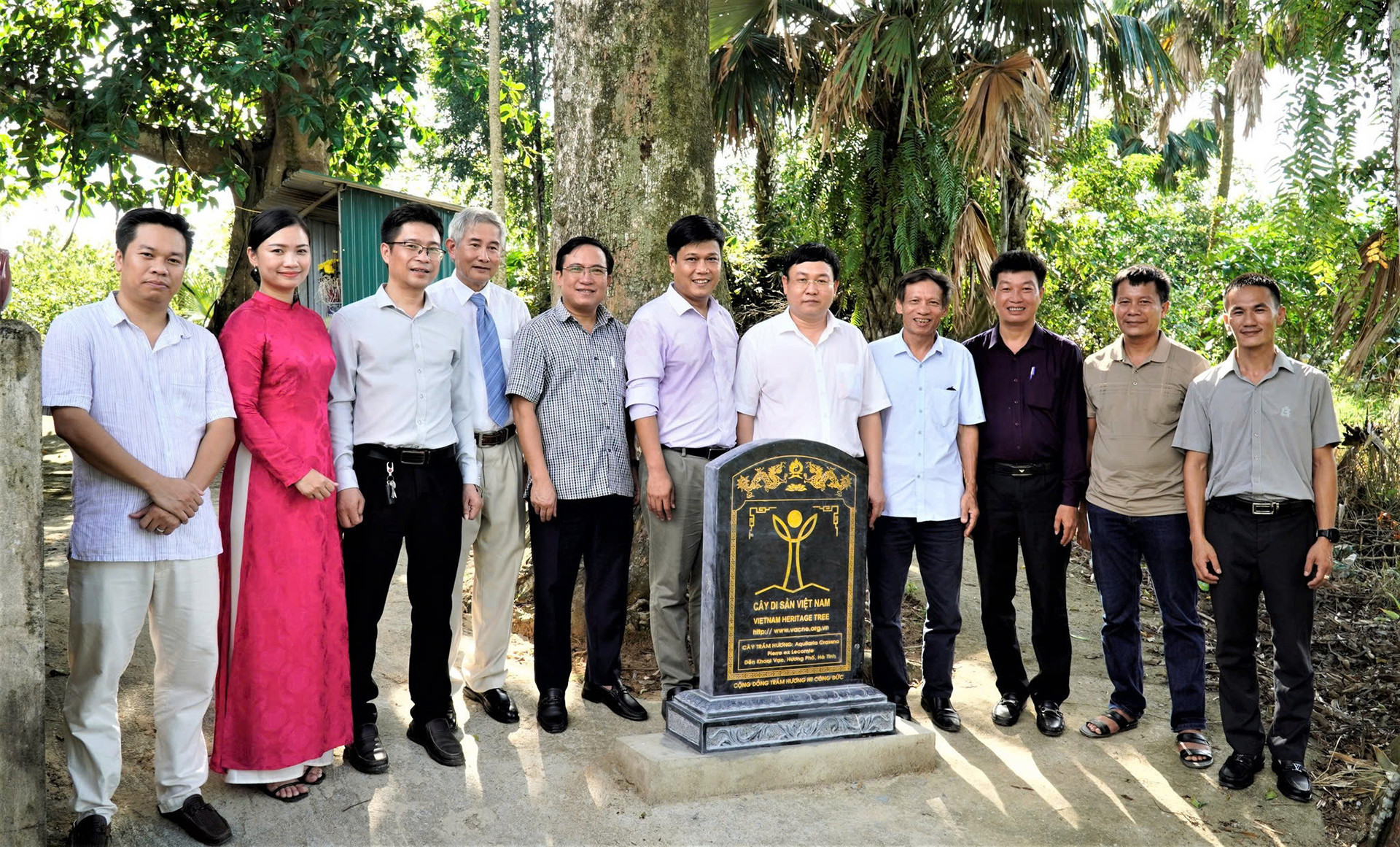
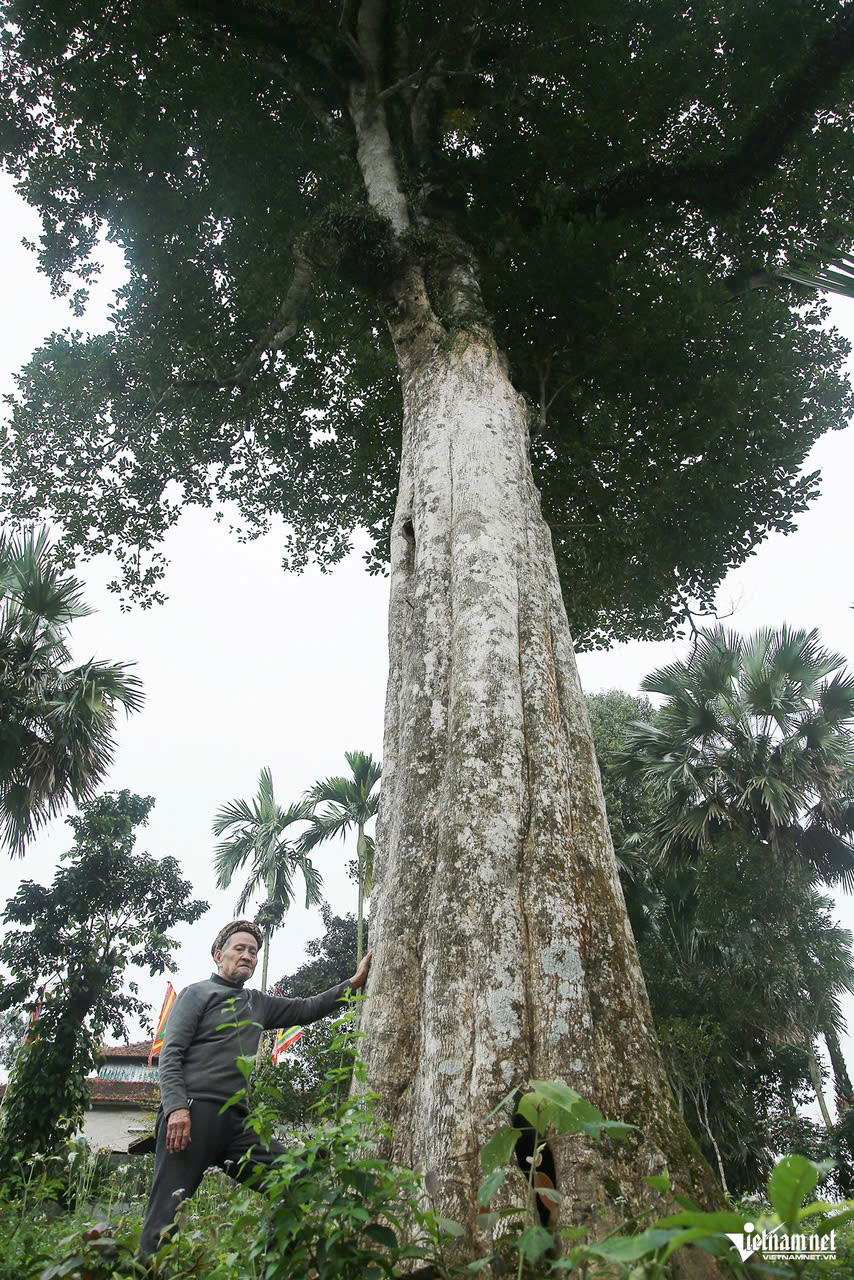
According to the commune leadership, the two agarwood trees (also known locally as "do tram") are over 200 years old and situated within the temple grounds. Tree No.1 has a trunk circumference of 2.7 meters, a height of 8 meters, a canopy spread of 9 meters, and two main branches. Tree No.2 has a trunk circumference of 3.7 meters, stands 11 meters tall, has a canopy spread of 11.5 meters, and eight main branches.
Both trees are healthy and provide year-round shade. Beyond their biological significance, they hold deep spiritual meaning for the local population.
According to village elders, these two agarwood trees are considered sacred treasures of the temple, preserved as sacred symbols. They are interwoven with the collective memory of many generations, from wartime to the present day.
Khoai Vac Temple, located in Huong Pho commune (formerly Huong Thuy commune, Huong Khe district), was originally built as a small shrine worshiping the mountain god during the Can Vuong resistance movement (1885-1896). Over time, the temple became a memorial site honoring national heroes and a spiritual destination for people in surrounding areas.
For the past 40 years, Phan Van Chien, 93 years old and a resident of the former Huong Thuy commune (now Huong Pho), has served as the temple’s caretaker. "I remember seeing the agarwood trees here since I was a boy," he shared. "After taking on the role of temple caretaker, I also began protecting the trees."
At the event, local leaders emphasized that recognizing the trees as Vietnam Heritage Trees not only preserves stories deeply connected to local life, spirituality, history, and culture but also fosters patriotism and national unity. It serves as a reminder of the importance of environmental conservation and biodiversity protection in the mountainous region of Ha Tinh.
Thien Luong
.svg)
