 Vietnamnet.vn

 Podcast



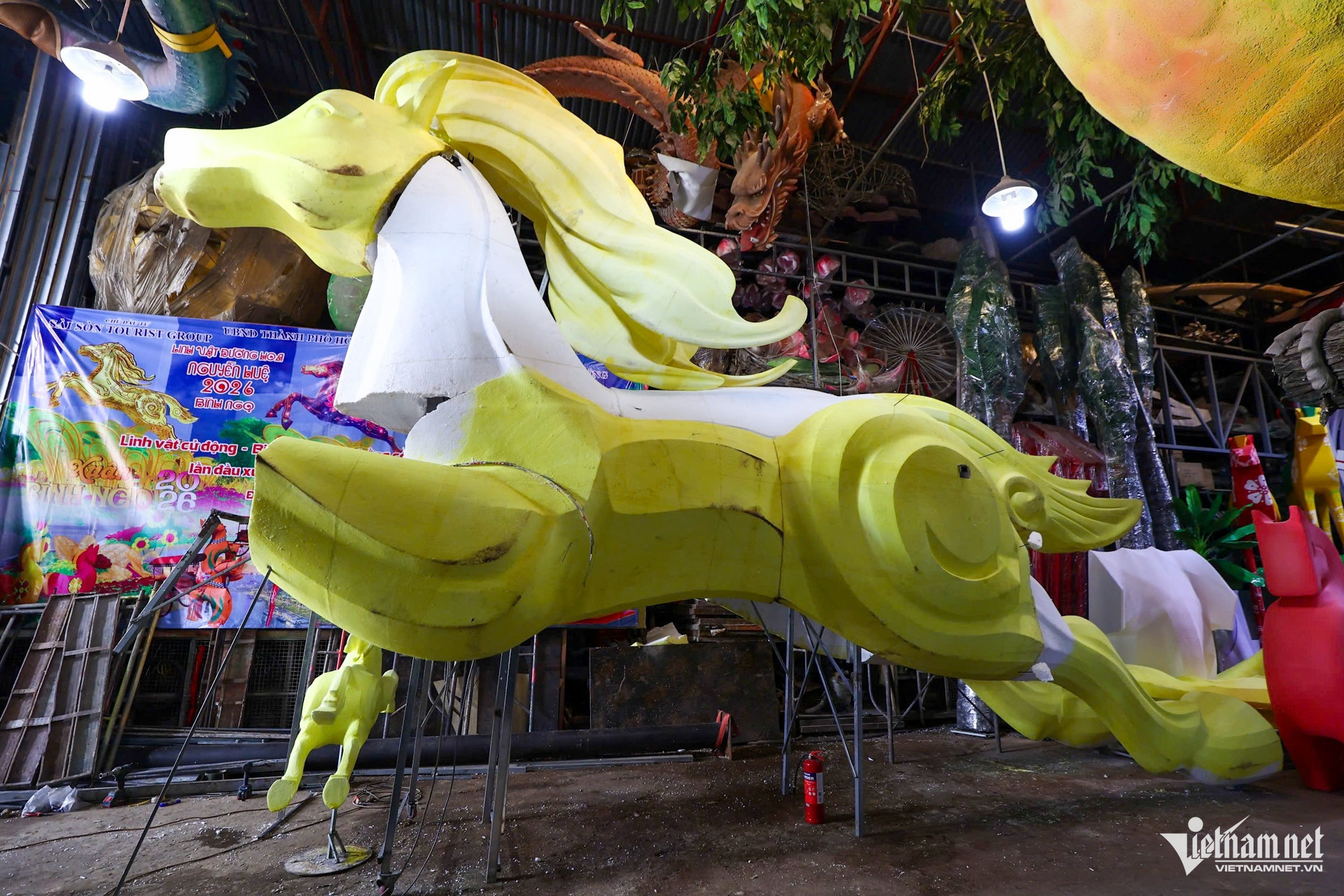
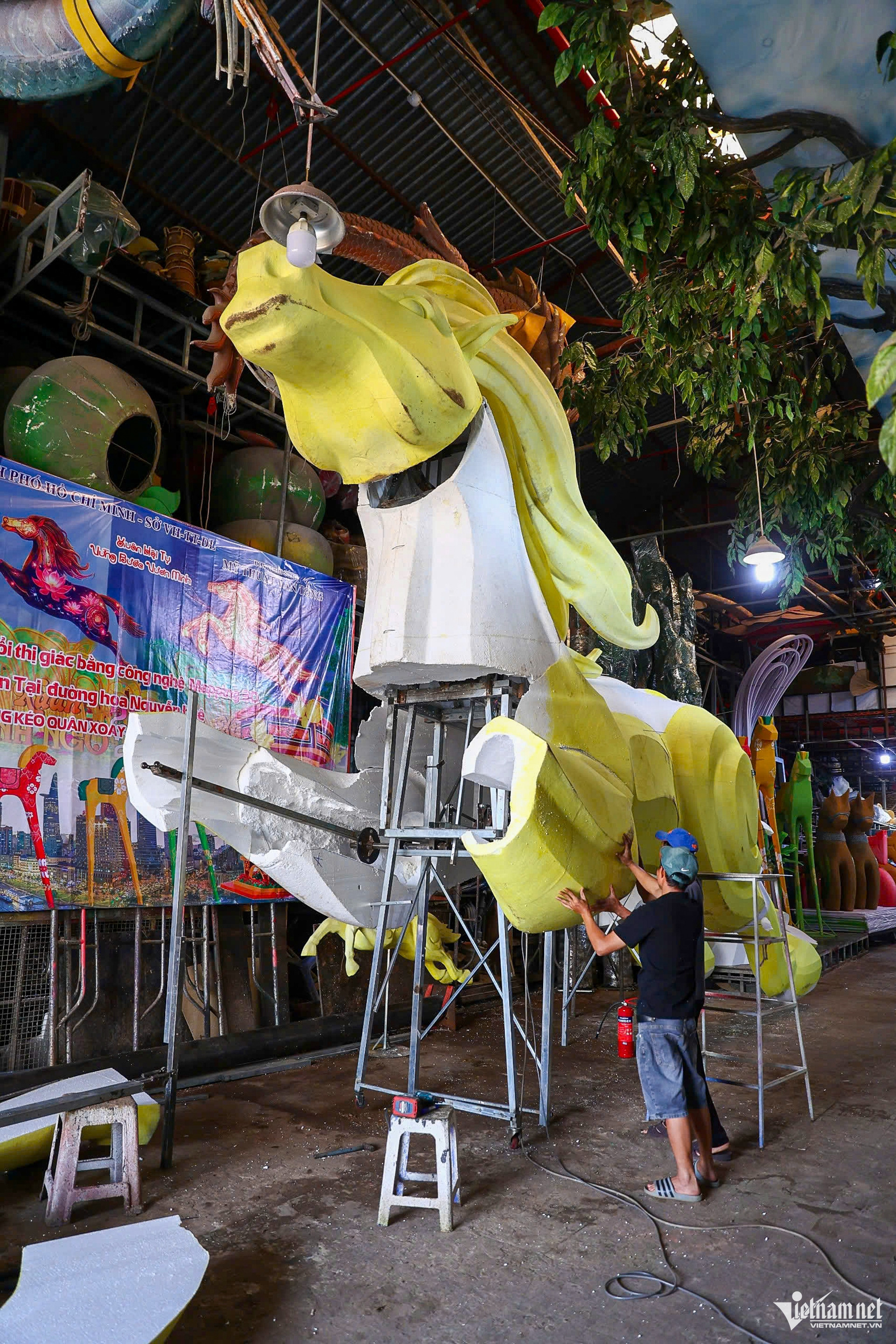
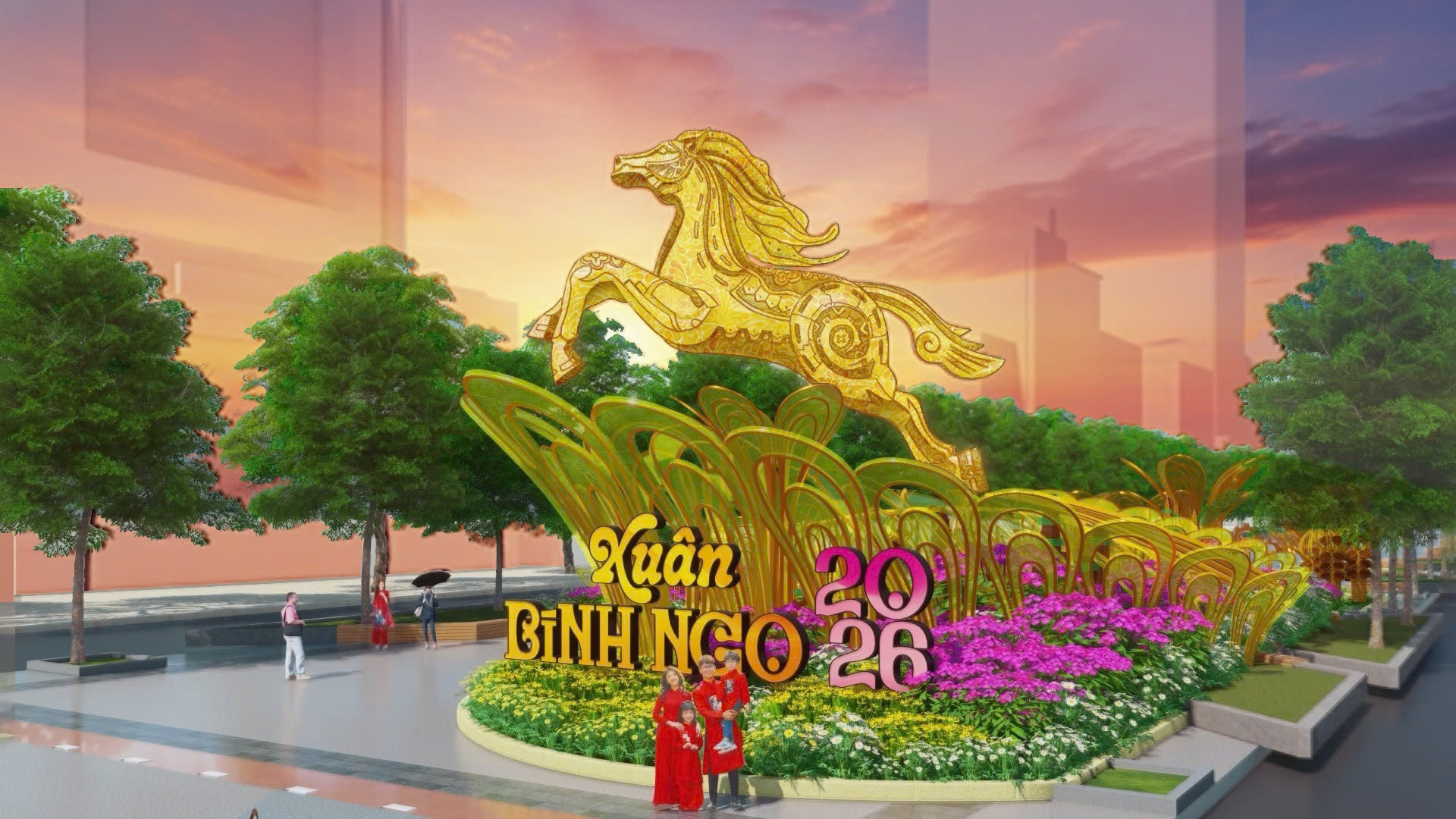
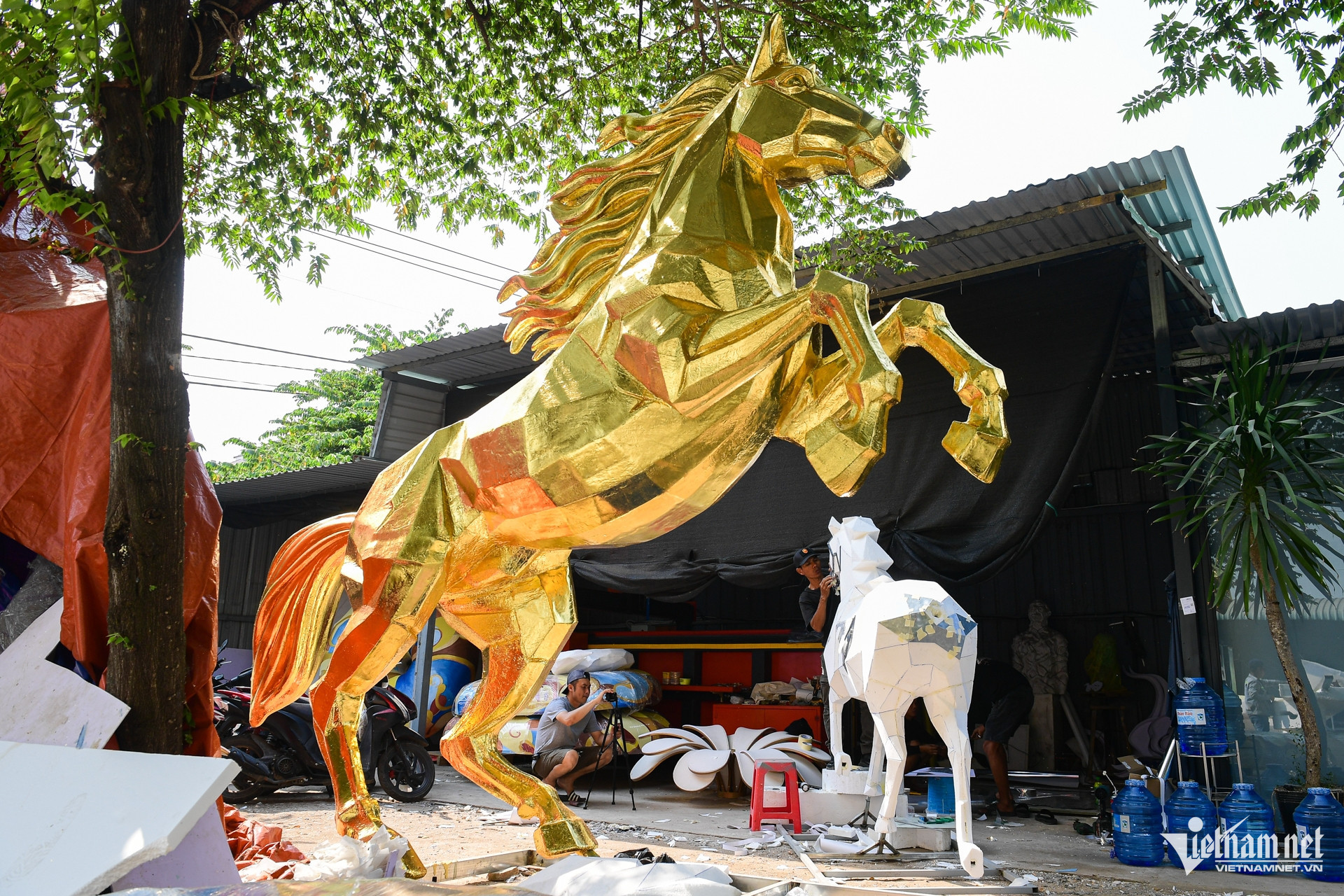
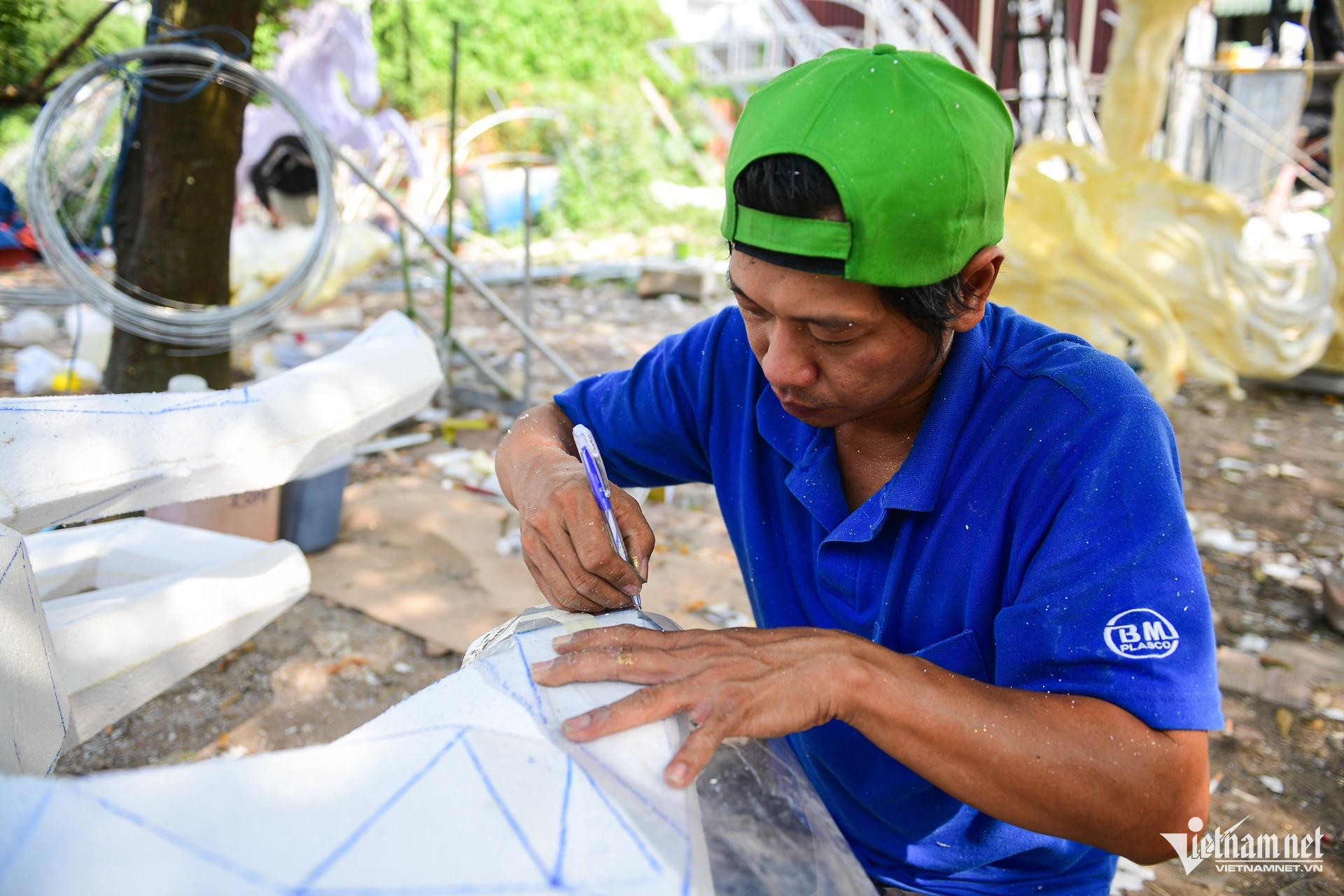
The monumental installation, measuring 7 meters high and 9 meters long, is being finalized at the workshop of artisan Van Tong in An Phu Dong Ward, Ho Chi Minh City. Once complete, it will take its place at the main entrance of the city’s iconic flower street, which will open to the public from February 15 to 22, 2026, during the Tet Binh Ngo holiday.
Modeled after the mythical iron horse ridden by Saint Giong, a revered folk hero in Vietnamese legend, the sculpture incorporates a steel frame with built-in motors. These mechanisms allow the horse’s head and legs to move, offering an animated, lifelike presence that evokes the power and majesty of a warhorse in motion.
Artisan Van Tong shared that sculpting the horse’s head was the most challenging task, as it demanded intricate craftsmanship to express strength and character in every line.
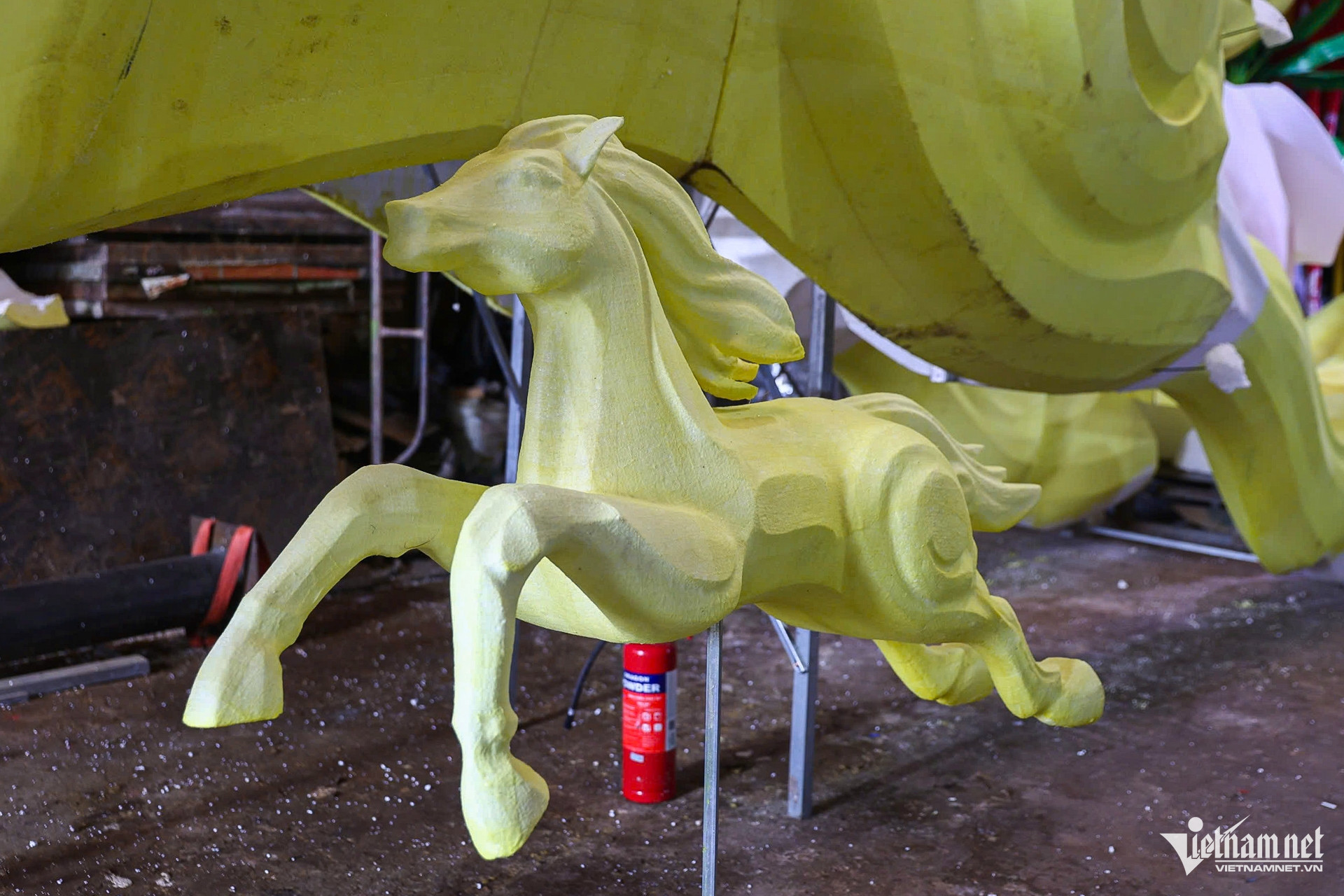
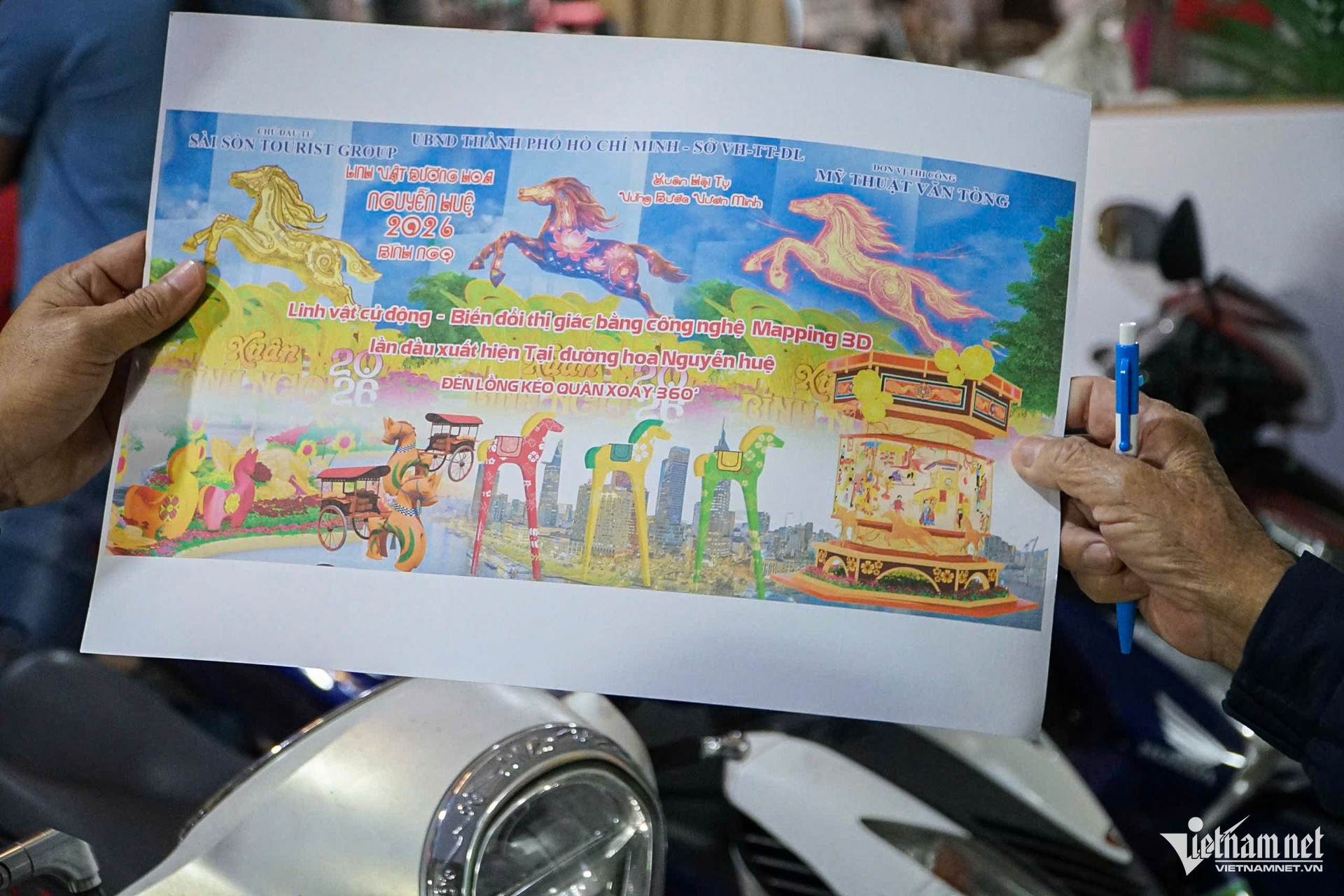
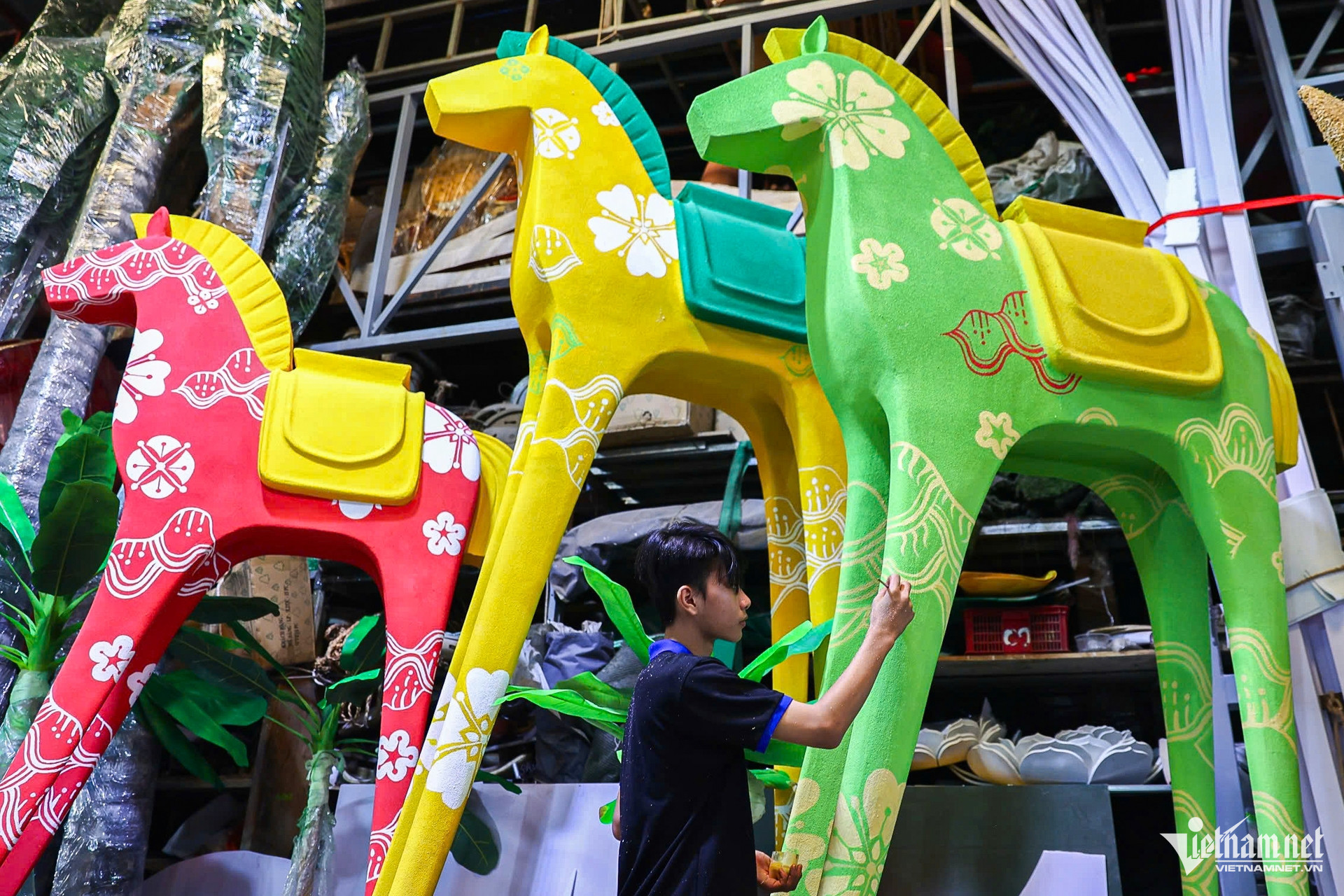
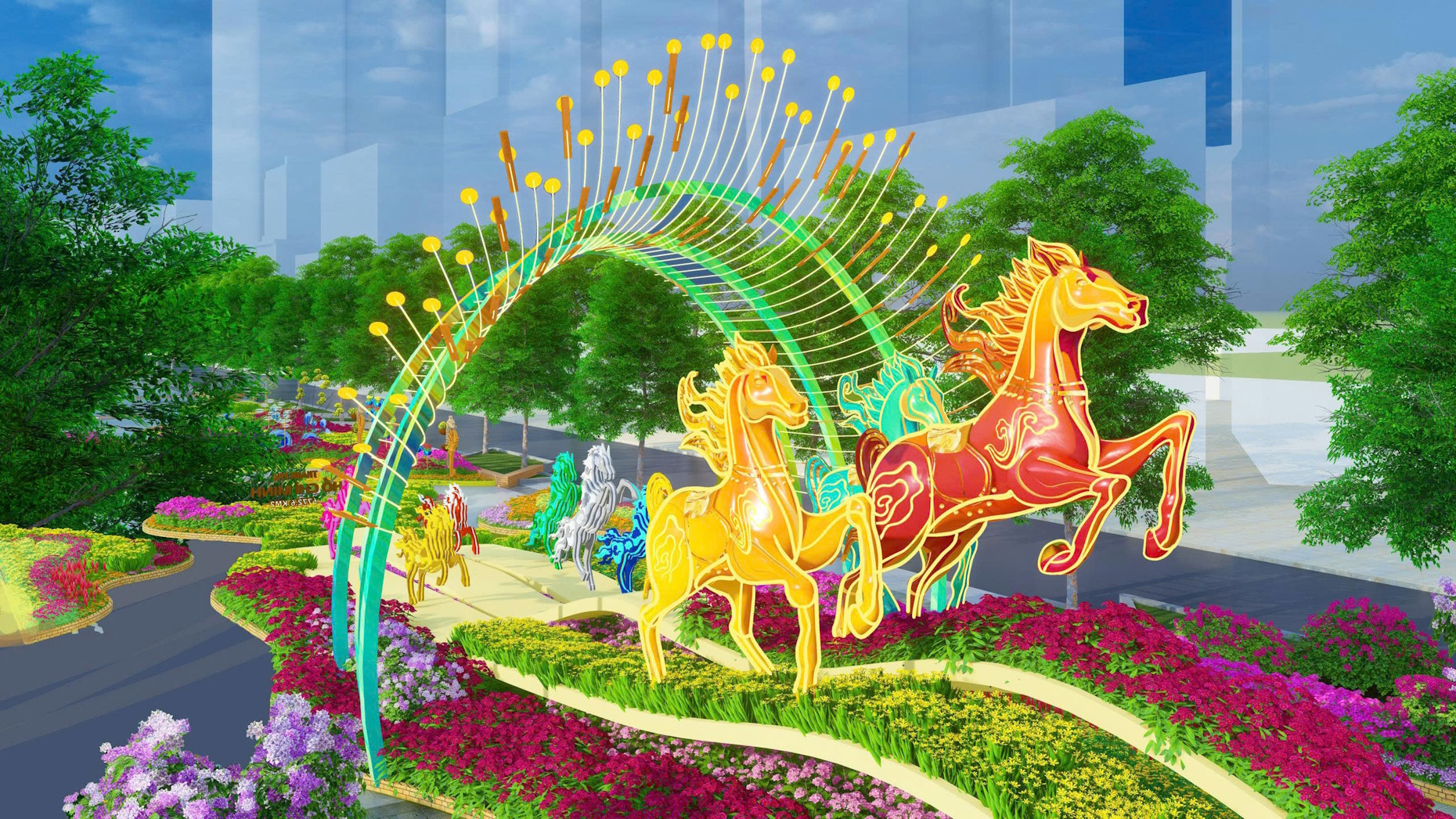
The main sculpture will be accompanied by other mechanical and visual elements along the flower street. Smaller horse models in various colors and sizes are being prepared, while adjacent dioramas will feature kinetic structures, LED lighting, 3D mapping, and AR technology to transform the space from day to night.
At another workshop in Hiep Binh Chanh Ward, nearly 20 workers under artisan Do The Binh are completing the final touches on the secondary horse models and the grand “Giang Son Cam Tu” display, which will be installed at the end of the flower street.
This major scenic setup will feature nine galloping horses posed atop stylized tracks, creating the visual effect of powerful forward motion.
According to Binh, 98% of the components are ready and will soon be transported for assembly on Nguyen Hue pedestrian street.
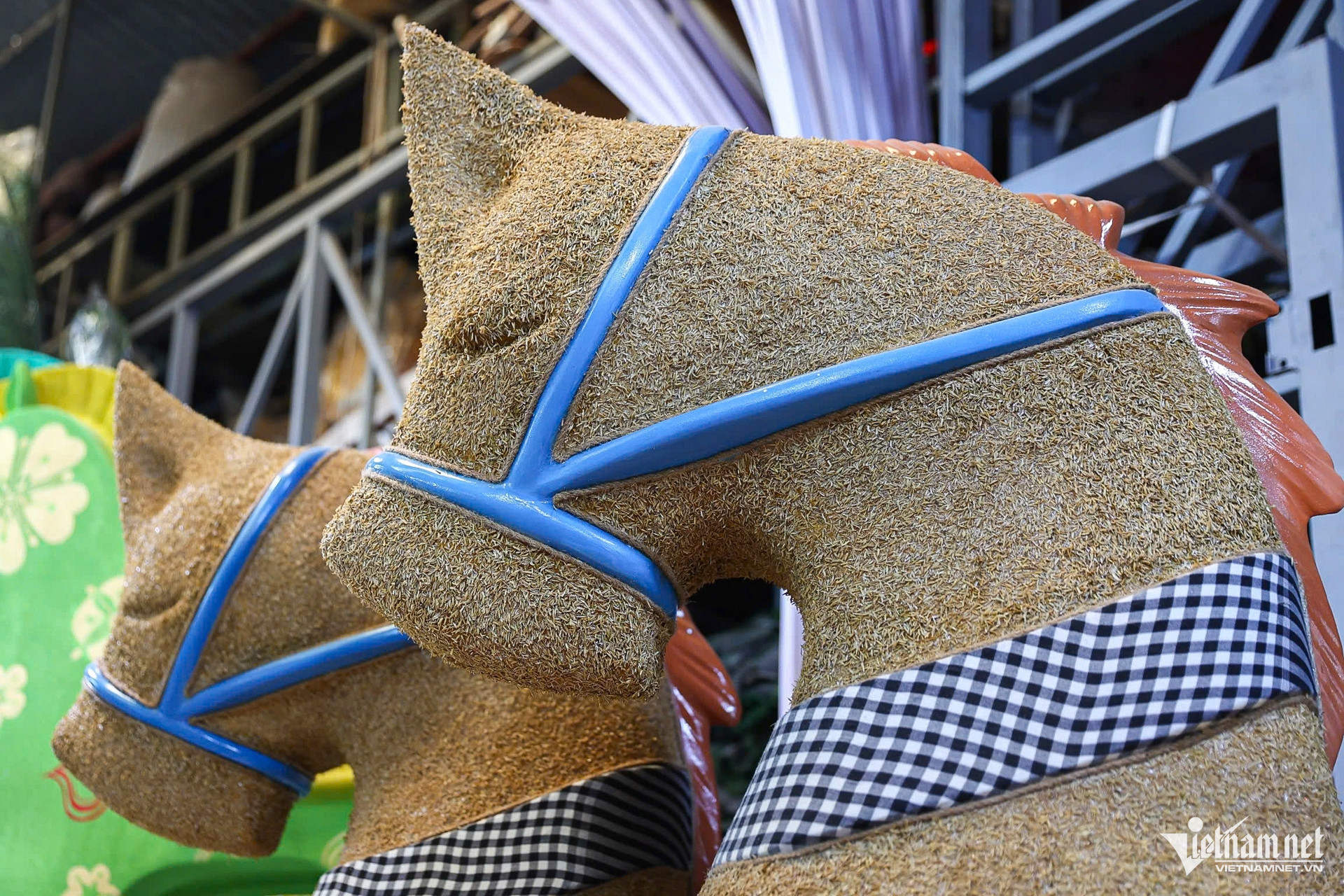
Materials used across the installations include rice husk, resin, luminous paint, and reflective elements - carefully chosen to achieve both artistic detail and radiant nighttime effects.
This year’s Nguyen Hue flower street is themed “Spring of convergence – Rising with strength.” Through a series of large-scale installations and vibrant designs, it aims to reflect the historical journey and new stature of Ho Chi Minh City.



Nguyen Hue
.svg)
