The 2026 AFC U23 Asian Cup is more than a youth tournament-it’s a silent test of progress between Vietnam and Thailand.
The 2026 AFC U23 Asian Cup is shaping up to be more than just a youth tournament. Beneath the scores and lineups, a quiet rivalry simmers between U23 Vietnam and U23 Thailand-a contest not for a single trophy, but for long-term football dominance in Southeast Asia.
U23 Thailand’s mission to ‘heal’
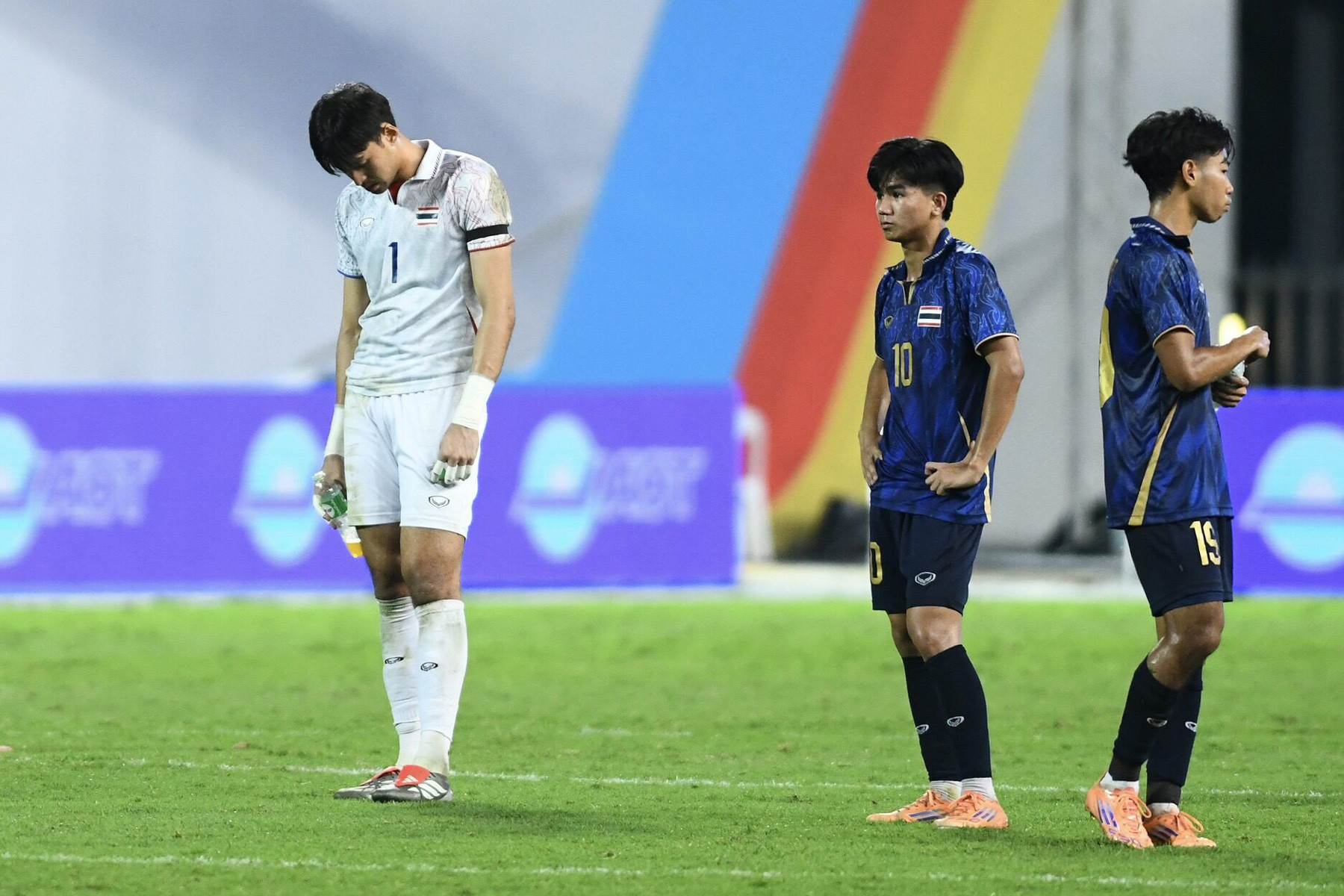
U23 Thailand aims for a quarterfinal spot after a year of painful losses. Photo: Changsuek
U23 Thailand enters the tournament burdened by a string of symbolic defeats that defined their past year.
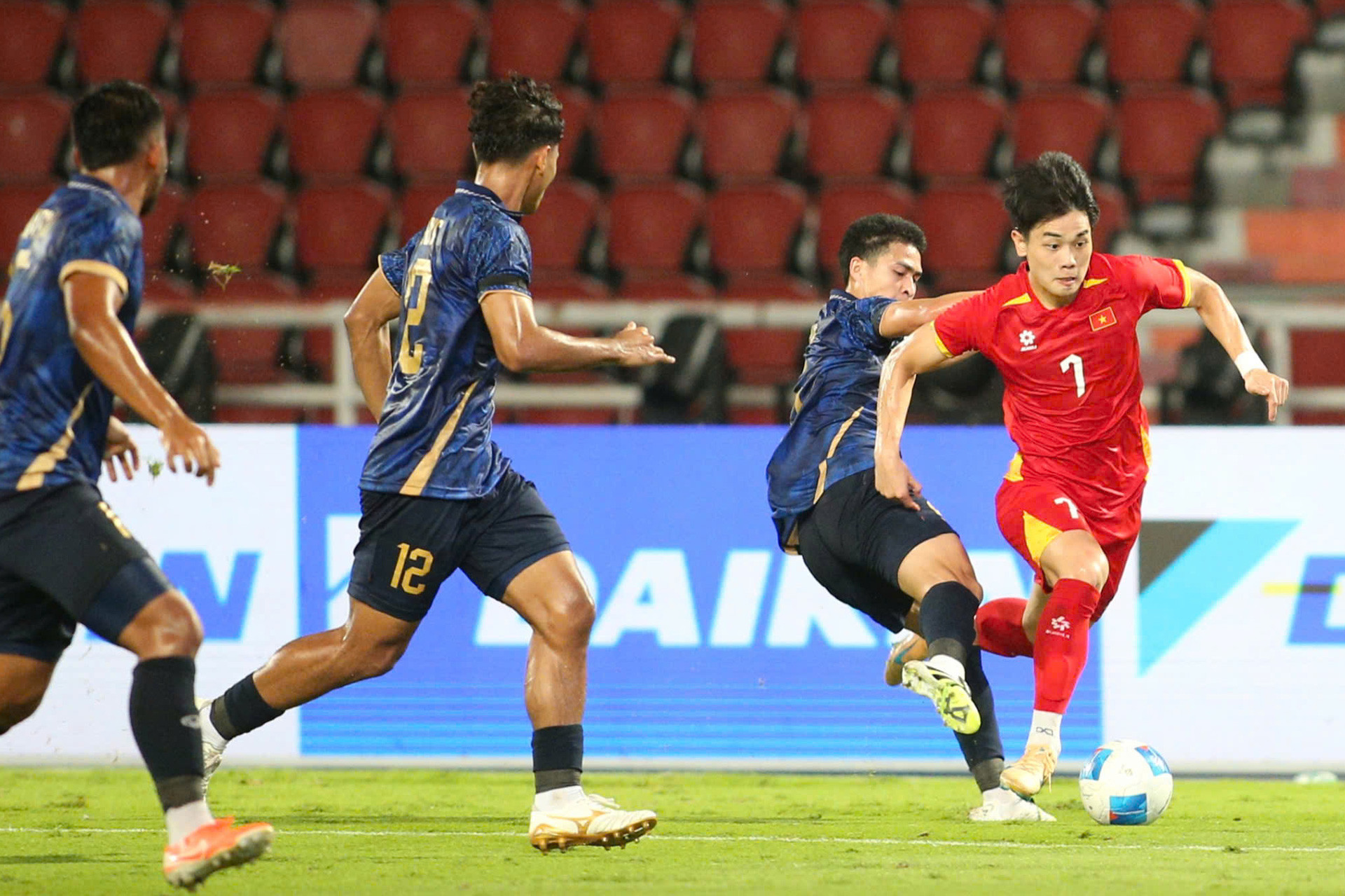
At the start of 2025, they fell to Vietnam in the ASEAN Cup. By year’s end, their U22 squad had lost the SEA Games final-on home soil.
These losses weren’t just about titles. They cut deep into Thai football’s pride and forced an uncomfortable self-examination. To make matters worse, they walked away empty-handed from the 2025 AFF U23 Championship as well.
Now heading to Saudi Arabia, head coach Thawatchai Damrong-Ongtrakul has set a quarterfinal goal-modest on paper, but loaded with meaning. For Thailand, it’s not only about reaching the last eight-it’s about restoring faith, momentum, and ensuring they’re not left in Vietnam’s shadow.
In recent interviews, "U23 Vietnam" has been repeatedly cited-not as a matchday opponent, but as a benchmark. A rival in strategic planning, not just on the pitch.
Following the SEA Games final, both Thai media and senior figures at the Football Association of Thailand (FAT) admitted what was once unthinkable: Vietnam has pulled ahead.
From youth league structure to player development and transition between age groups, Vietnam is no longer chasing Thailand-it’s leading.
A rare moment of honesty from a federation long seen as the region’s traditional football powerhouse.
But Thailand arrives at the 2026 AFC U23 tournament incomplete. About ten of their SEA Games core players are absent.
The reason is simple: the tournament doesn’t fall on official FIFA dates. Clubs retained their players, forcing FAT into compromises.
Thailand had prioritized the SEA Games, hoping for gold. That gamble failed-and the price is a thinner, less experienced squad for the continental stage.
This compromise points to a deeper issue: Thailand’s struggle to balance short-term goals with long-term development strategy.
Despite the AFC U23 tournament being a true test of youth football strength, it remains secondary in Thailand’s planning hierarchy-still below the prestige of the SEA Games.
Thailand’s group at the 2026 AFC U23 tournament isn’t easy, but it’s not impossible.
Their key group-stage rival is U23 Australia-who failed to get past the group stage in 2024 and also lack top-tier talent this year due to the non-FIFA calendar.
U23 Iraq is always a contender, while U23 China remains unpredictable. But for Thailand, the crucial match is the opener against Australia on January 8. A make-or-break fixture.
Vietnam, meanwhile, enters with a different mindset. Head coach Kim Sang Sik has been actively reducing pressure, even as Vietnam boasts back-to-back quarterfinal appearances.
With a solid foundation, Vietnam doesn’t need to constantly compare itself to Thailand. Instead, it is Thailand that looks to Vietnam for cues-on what to improve, where to aim, and how to catch up.
This isn’t a duel in the same group, nor a direct confrontation. It’s a long-distance race-measured in progress, resilience, and results.
In Saudi Arabia, U23 Vietnam and U23 Thailand are presenting two football models. One built on continuity and vision, the other on past glory and present recalibration.
The one who leads must not grow complacent. The one who lags must evolve-fast-or risk being left behind for good.
 Vietnamnet.vn

 Podcast



.svg)
