 Vietnamnet.vn

 Podcast



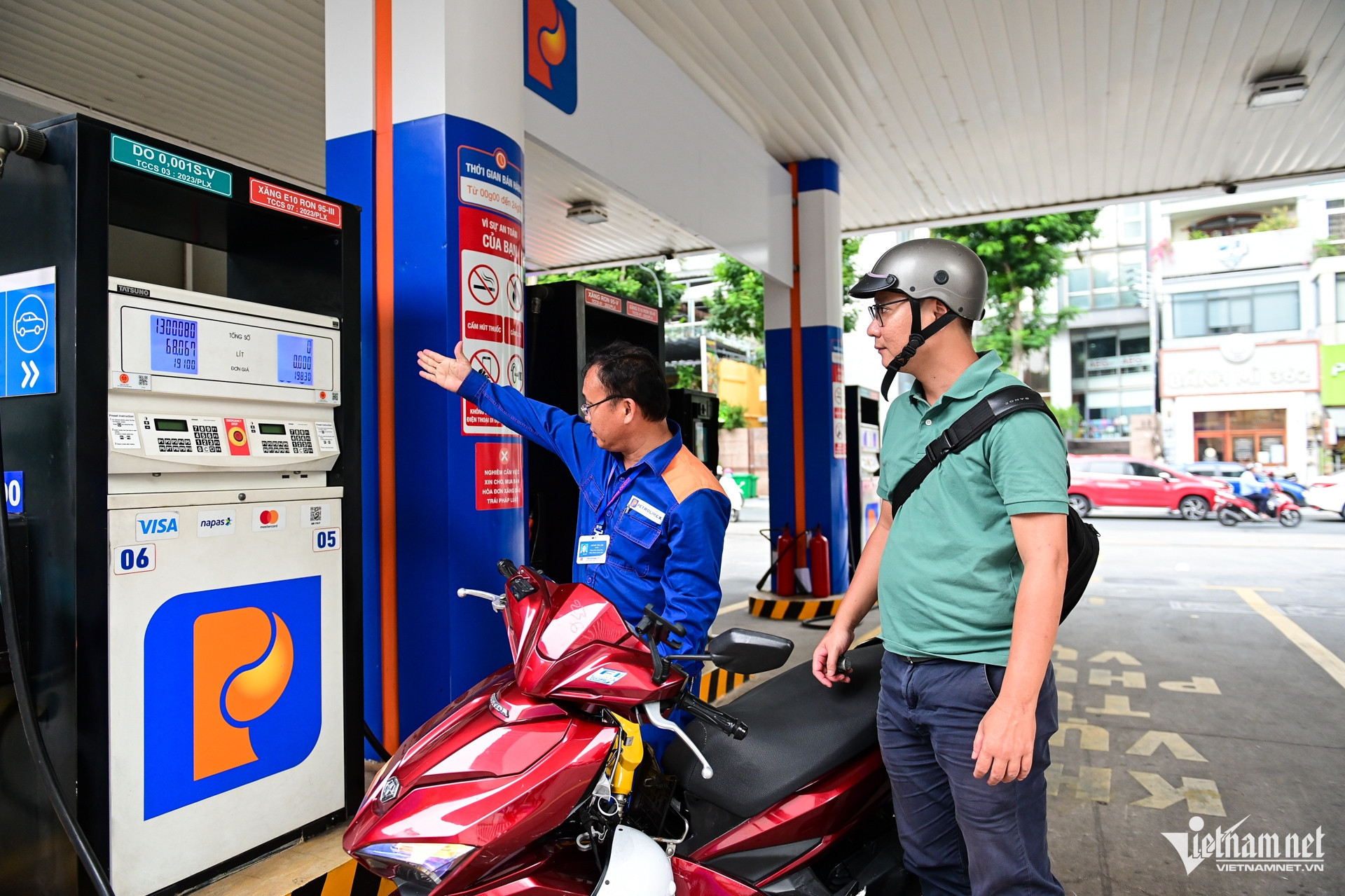
The United Nations Development Programme (UNDP) has praised Vietnam’s swift and effective response to recent global energy market disruptions, highlighting the country’s timely policy measures in stabilizing its domestic economy.
The recognition comes in a newly released report titled “Military escalation in the Middle East: Impacts on human development in Asia and the Pacific,” which assesses conditions across 36 countries using macroeconomic simulations and regional data.
Amid ongoing geopolitical tensions, preliminary findings indicate that rising instability is spreading across energy, trade and labor markets, placing increasing pressure on incomes, consumption, employment and social protection systems throughout the region. Low-income households, informal workers, migrants and small businesses are identified as the most vulnerable groups.
Fuel and transportation costs have emerged as the most immediate strain. With more than 80% of crude oil and liquefied natural gas shipments to Asia passing through the Strait of Hormuz, the region is experiencing sharp increases in transport, electricity, food and fertilizer costs.
The report notes that growing dependence on imported energy and essential supply chains is intensifying financial pressure on households, small enterprises and public budgets. UNDP estimates that around 8.8 million people across Asia-Pacific could fall into poverty, while economic losses may range from US$97 billion to US$299 billion, equivalent to 0.3% to 0.8% of the region’s GDP.
For an export-oriented economy like Vietnam, rising global energy and transport costs present direct challenges in maintaining stable growth and safeguarding consumer purchasing power.
However, governments across the region, including Vietnam, have responded quickly to mitigate domestic impacts through fuel price stabilization and targeted subsidies. Early adaptation measures such as diversifying energy sources and improving energy efficiency have also been implemented.
“UNDP welcomes Vietnam’s timely response through emergency fiscal measures and price support policies to stabilize the economy,” said Ramla Khalidi, Resident Representative of UNDP in Vietnam.
In other countries, short-term human development losses are equivalent to delays of several weeks to months in development progress. While Southeast Asia has been less affected than South Asia, UNDP warns that disruptions could intensify significantly if the conflict persists.
The pressure has reached households faster than policy adjustments can fully respond.
According to Kanni Wignaraja, Assistant Secretary-General of the United Nations and Regional Director for Asia and the Pacific at UNDP, prolonged volatility in global markets is forcing governments into increasingly difficult choices.
At the same time, she noted, the situation presents an opportunity to strengthen long-term resilience through adaptive social protection systems, reinforced domestic and regional value chains, and more diversified energy and food systems.
Tran Chung
.svg)
