 Vietnamnet.vn

 Podcast



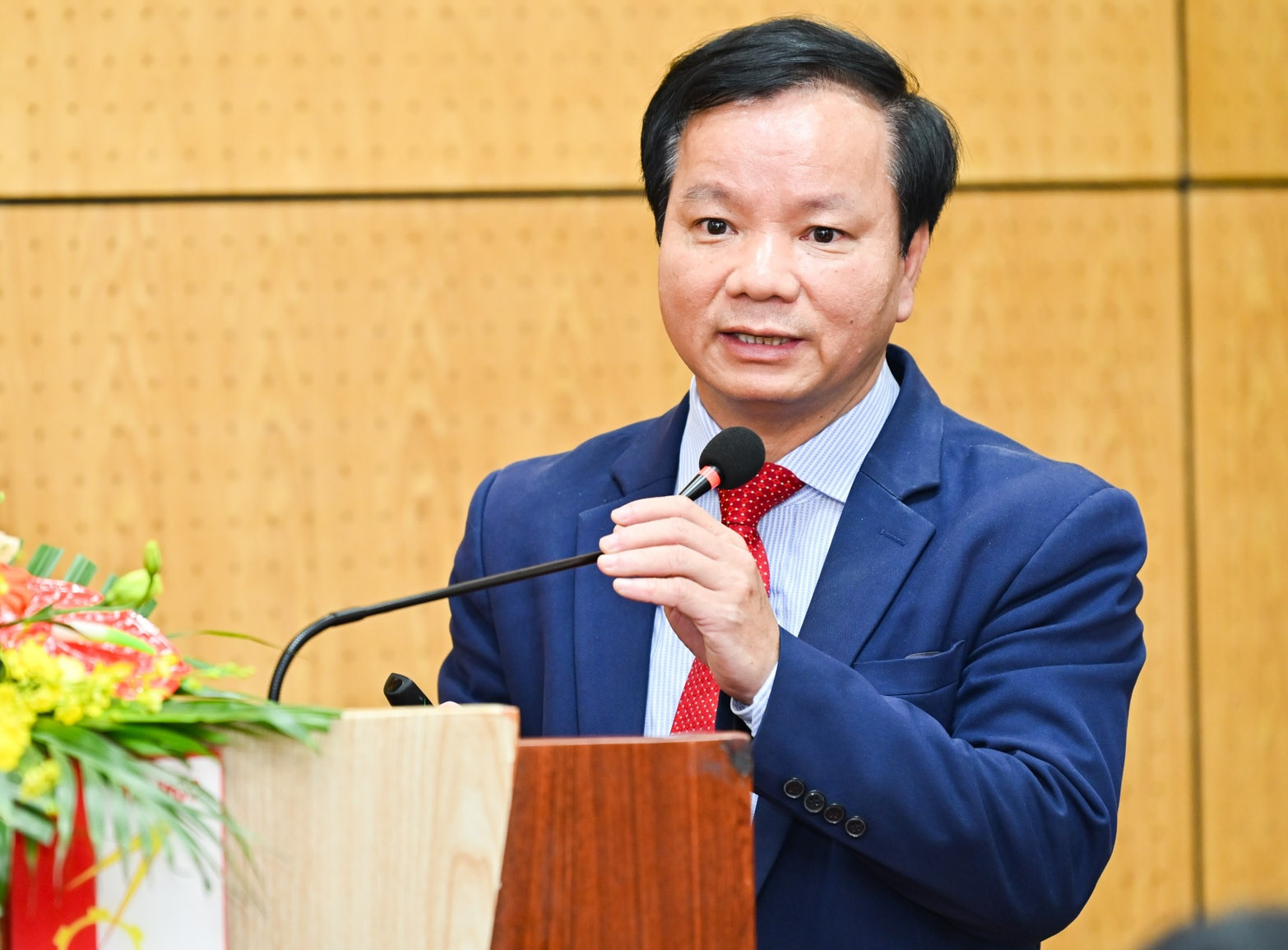
He spoke at the seminar "Breakthrough policies to attract talent in higher education, science technology and innovation" held on November 4.
Yem said universities are the "cradle" producing knowledge and training high-quality human resources. Therefore, a talented team of lecturers and scientists is needed to create new knowledge and lead innovation.
"If talent cannot be attracted, universities will struggle to innovate programs, elevate research, and integrate internationally," he said.
Attracting talent is one of the goals stated in the Politburo’s Resolution 71: "Develop a contingent of educators and scientists with qualities, capabilities, high qualifications; have special mechanisms to attract, utilize and reward talent."
However, according to Yem, many universities today face severe shortages of leading lecturers and scientists. Meanwhile, many young Vietnamese talents and excellent experts working abroad want to return to Vietnam, but lack suitable conditions and policies.
According to statistics, the rate of professors in the entire system is currently 0.89 percent; associate professors 7.8 percent; lecturers with doctoral degrees 33 percent (2024 data).
Therefore, he believes that building special mechanisms to attract and retain talent is an urgent requirement for Vietnamese university development.
High pay is key
HUST, to concretize the spirit of Resolution 71, has built a project to attract and recruit young talented lecturers, experts, and leading scientists for the 2025-2030 period.
The project's goals are to improve training and scientific research quality; increase attractiveness, reputation, and prestige of the school; and contribute to bringing the university into the top 150 leading universities in Asia by 2030.
The program targets young, talented PhDs who have graduated from top global universities or have outstanding research achievements; professors, associate professors, and technology experts from enterprises, research institutes, and startups to develop core and strategic technologies; and leading scientists, experts, and reputable domestic and international managers for positions such as visiting lecturers, consultants, and senior advisors.
For lecturer and young PhD positions, HUST plans to offer salaries ranging from VND40 million to VND150 million per month.
Yem stated that the university has long applied the “3P” pay structure, based on Position, Personal Competence, and Performance. The talent to be attracted under the program will also be paid under this system. In addition, they will receive income from research projects and financial incentives from government support policies.
For laboratory heads and research group leaders, salaries are expected to range from VND60 million to VND200 million per month, depending on competence and position, along with income from projects and financial incentives from state support schemes.
For expert and scientist positions, remuneration will be paid according to preferential policies from the project based on collaboration content and work cooperation.
Moreover, these positions will enjoy additional benefits such as insurance, healthcare packages, support for travel and housing costs, legal assistance, visa and immigration procedures for foreign hires, and family support packages for international and overseas Vietnamese professionals.
According to Yem, the goal for HUST by 2030 is to attract and recruit at least 300 talents domestically and internationally; form and develop strong research groups, key laboratories; and increase high-quality international publications.
Prior to that, in Vietnam, many higher education institutions had applied measures to attract talent, such as Vietnam National University HCMC with VNU350 program, aiming to attract, retain and develop outstanding young scientists and leading scientists.
Many other higher education institutions have policies to attract PhDs, associate professors, professors.
In addition, many provinces/cities also have talent attraction policies, especially professors and PhDs, to develop science and technology such as HCMC, Hanoi, Bac Ninh and Lam Dong.
Da Nang, for example, in mid-October, issued a decision to implement the city People’s Council’s resolution on attracting experts, scientists, individuals with exceptional talents, and fostering training for officials, civil servants, and public employees.
According to the regulation, eligible beneficiaries include officials, civil servants, and public employees; outstanding university graduates and talented young scientists; experts, managers, and leading scientists who are either Vietnamese or foreign nationals; individuals with exceptional talent in culture, arts, and sports; as well as those contracted to perform public duties in accordance with the law.
The recruitment policy will be implemented in two forms: fixed-term labor contracts or contracts based on specific tasks or deliverables.
For experts, managers, business executives, and leading scientists, the monthly salary is divided into three levels - VND150 million, VND100 million, and VND50 million - depending on qualifications and responsibilities.
Le Huyen
.svg)
