 Vietnamnet.vn

 Podcast



This years cold air surge is pushing unusually deep into southern Vietnam and growing stronger, bringing intense and dry cold conditions to the North starting mid-December. Meanwhile, weather experts say another tropical storm may still form before the year ends.
According to Hoang Phuc Lam, Deputy Director of the National Center for Hydro-Meteorological Forecasting, the agency had already forecast in early November that between mid-November and the end of December, one to two tropical storms could still emerge over the East Sea.
“Storm No. 15 is one of them, and there may be one more storm,” Lam said.
He noted that any late-season storms in late November and December are likely to impact the South Central and Southern regions. Therefore, after Storm No. 15, the next potential storm would likely focus on these same areas.
Cold air to dominate late 2025 and early 2026
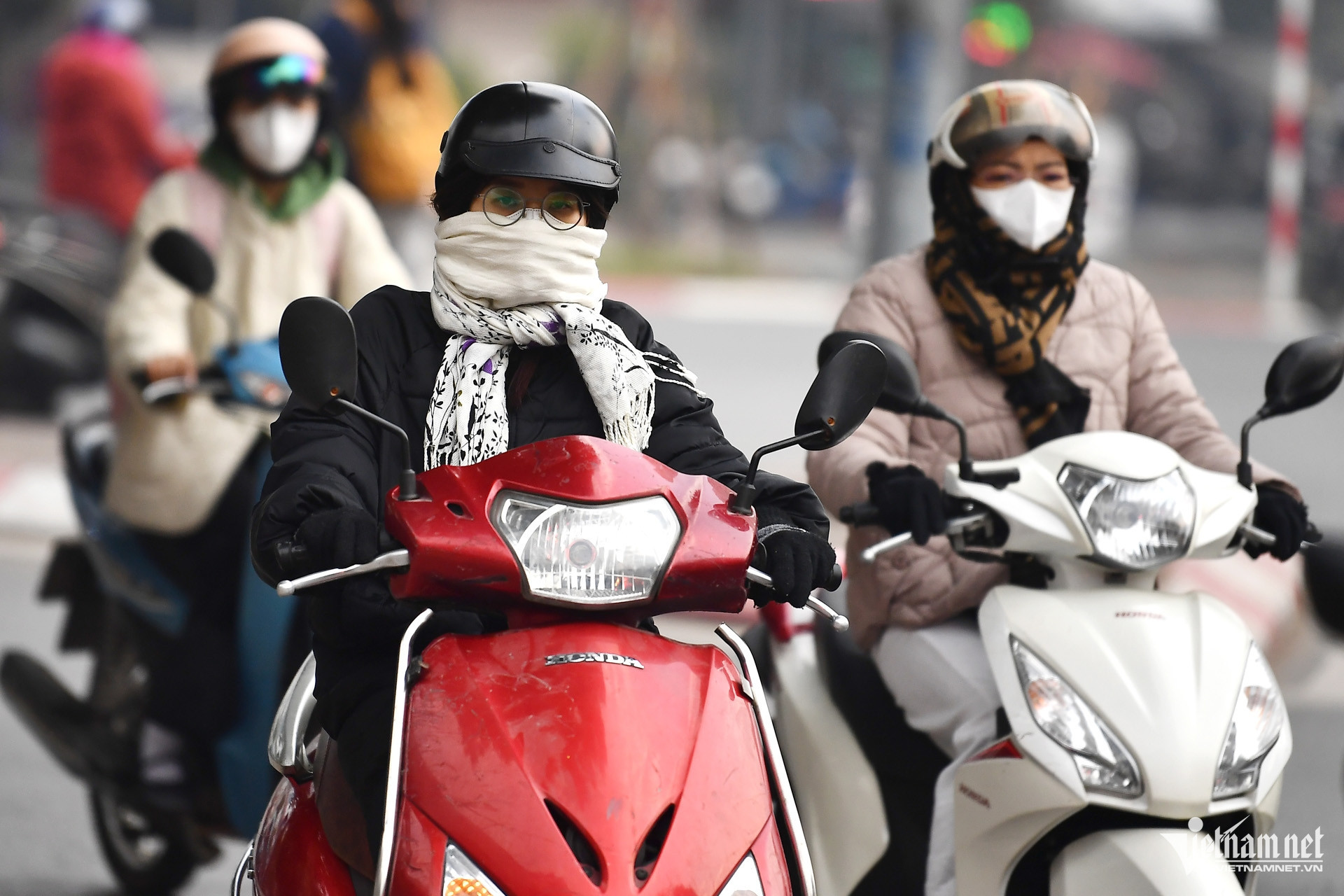
Lam emphasized that the more significant weather trend during this period is the dominance of cold air. Forecasts show that the intensity of cold air will increase through December 2025 and January 2026 - typically the peak period of the cold season.
“This year’s defining feature is that cold air is pushing deeply into the south and growing stronger, causing severe and extreme cold in the North starting mid-December. In the mountains, frost and ice may occur,” Lam explained.
In northern Vietnam, the most common weather pattern over these two months will be dry cold - with cold nights and sunny days. Though there may be occasional rain, the dominant trend is dry, biting cold.
Additionally, Lam pointed out that from late February to March 2026, there is a likelihood of light drizzle and mist in the North.
At the same time, he warned of the possibility of unseasonal rainfall in the Central Highlands and Southern regions between January and March. In the Central region, rain is expected mainly in late November and early December due to cold air, though its intensity is not expected to be strong.
Bao Anh
.svg)
