 Vietnamnet.vn

 Podcast



The conflict between the US and Iran, if prolonged or escalated, is not a distant issue. For Vietnam, its effects would arrive quickly and directly - not through warfare, but through rising energy prices, inflation, and broader global economic volatility.
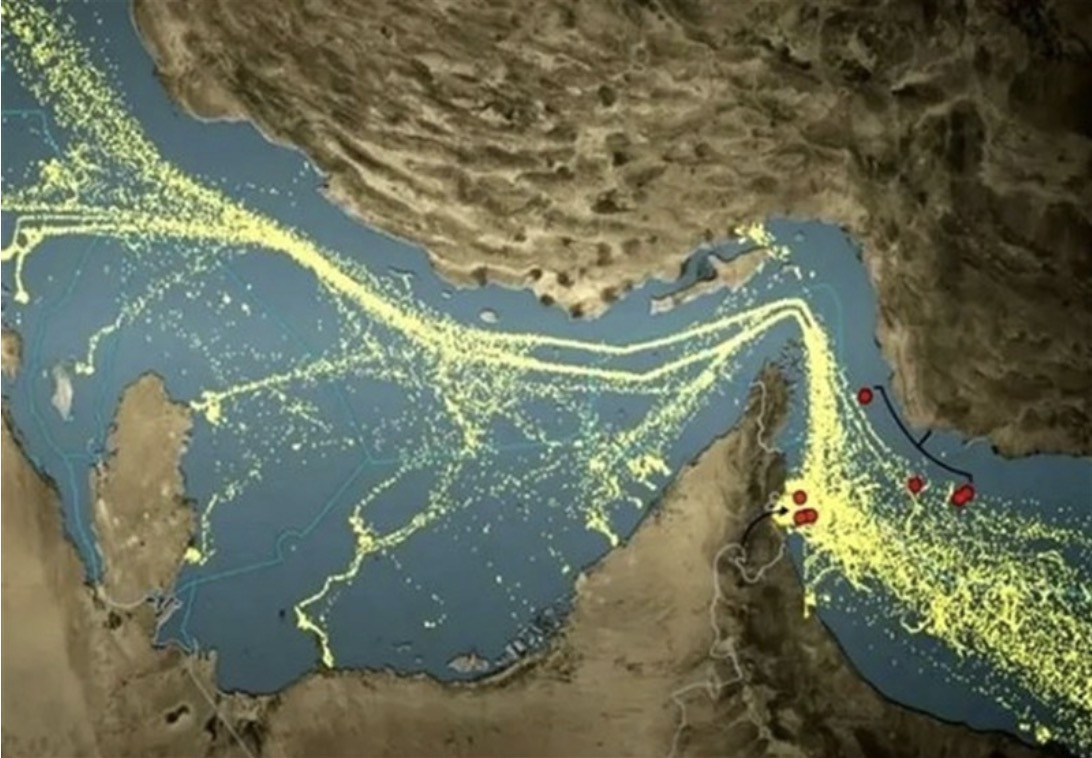
At the heart of the issue lies the Strait of Hormuz, a route through which about 20% of the world’s oil supply passes. Any disruption here would immediately push oil prices higher, triggering increases in transportation, production, and consumption costs. Inflation would then become a tangible pressure across the entire economy.
Vietnam, meanwhile, has yet to achieve full energy self-sufficiency. A significant portion of its inputs still relies on imports, making the economy particularly vulnerable to external shocks.
In the short term, businesses would face rising costs and shrinking profit margins. In the medium term, opportunities may emerge from shifts in global supply chains, but these would likely be limited amid weakening global demand.
The core issue, however, lies in the long term - and begins with a set of clear strategic choices.
Energy efficiency as the first line of defense
First, and most critically, is energy conservation. This is not only the “cheapest source of energy” but also the only one that can be realized immediately.
Saving one unit of energy requires minimal investment and no long lead time. In contrast, generating a new unit of energy demands substantial capital and years of preparation.
In the current context, energy efficiency must become the top priority - not only at the level of businesses or individuals, but as a national strategy. Here, the role of the State is decisive.
A nationwide campaign on energy conservation should be launched urgently and decisively, similar to major mobilization efforts during past challenging periods. This effort must go beyond recommendations, with clear direction, concrete incentives, and strong messaging to drive behavioral change across society.
Every unit of energy saved today is an immediate reduction in pressure on the economy.
Diversification and strategic balance
Second, Vietnam must diversify its energy supply. Reducing dependence on external sources and developing flexible, domestically appropriate solutions will be key.
Third, maintaining strategic balance is essential. In an increasingly polarized world, the goal is not to choose sides, but to preserve stability, flexibility, and credibility.
At a deeper level, this is a story of internal strength. An economy is truly resilient only when it can absorb and adapt to external shocks.
Self-reliance begins with internal capacity
In the long term, strategic autonomy cannot be achieved without strengthening technological capabilities. Science and technology, innovation, digital transformation, and artificial intelligence must become the main drivers of growth.
Conflicts may pass, but the world that follows will likely be more volatile. In that context, advantage will not belong to the strongest nations, but to those that know how to conserve resources, reduce dependence, and take control of their own future.
Tran Si Chuong
.svg)
