 Vietnamnet.vn

 Podcast



Amid the solemn atmosphere of the Vesak season, from ancient pagodas in bustling cities to monasteries in remote and mountainous areas, millions of monks, nuns, Buddhists and ordinary citizens are turning toward the values of compassion, harmony and humanity embodied in Buddhism.
Vesak is not only one of Vietnam’s largest religious festivals, but has also become a vivid symbol of the country’s rich spiritual life and the consistent policy of the Party and State in respecting the right to freedom of belief, religion and non-belief.
Yet even from an event deeply rooted in peace and harmony, hostile forces have deliberately distorted reality by accusing Vietnam of “favoring Buddhism” while being “harsh” toward other religions, seeking to sow division among religious communities and deny the realities of religious life in the country.
Such narratives not only misrepresent the truth, but also run contrary to constitutional principles on religious equality and the vibrant realities visible throughout society.
All religions are equal before the law
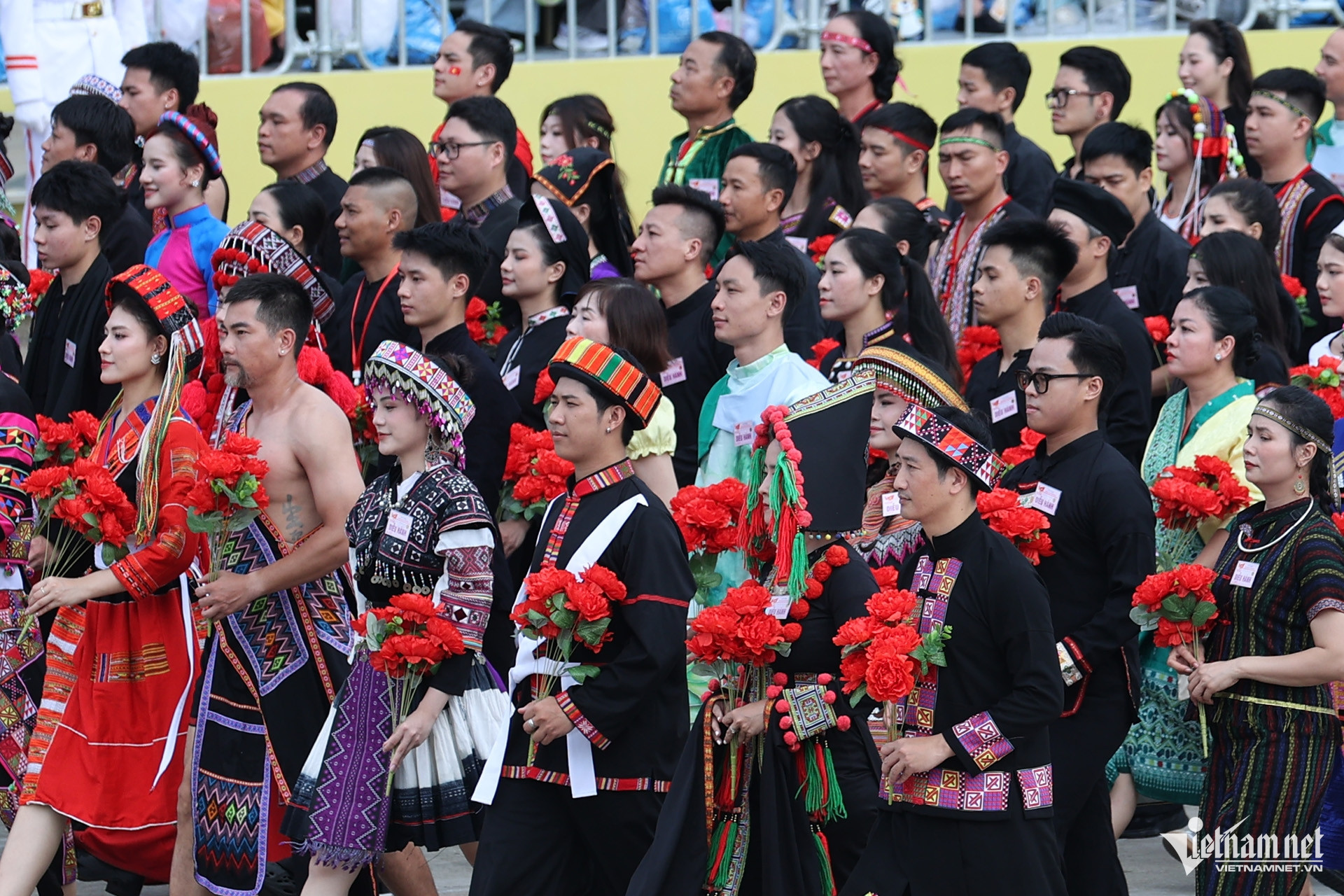
According to data from the Government Committee for Religious Affairs, more than 95% of Vietnam’s population practice a belief system or religion. The State has officially recognized 40 religious organizations belonging to 16 religions, including Buddhism, Catholicism, Protestantism, Cao Dai, Hoa Hao Buddhism and Islam, with around 28 million followers as of June 2024.
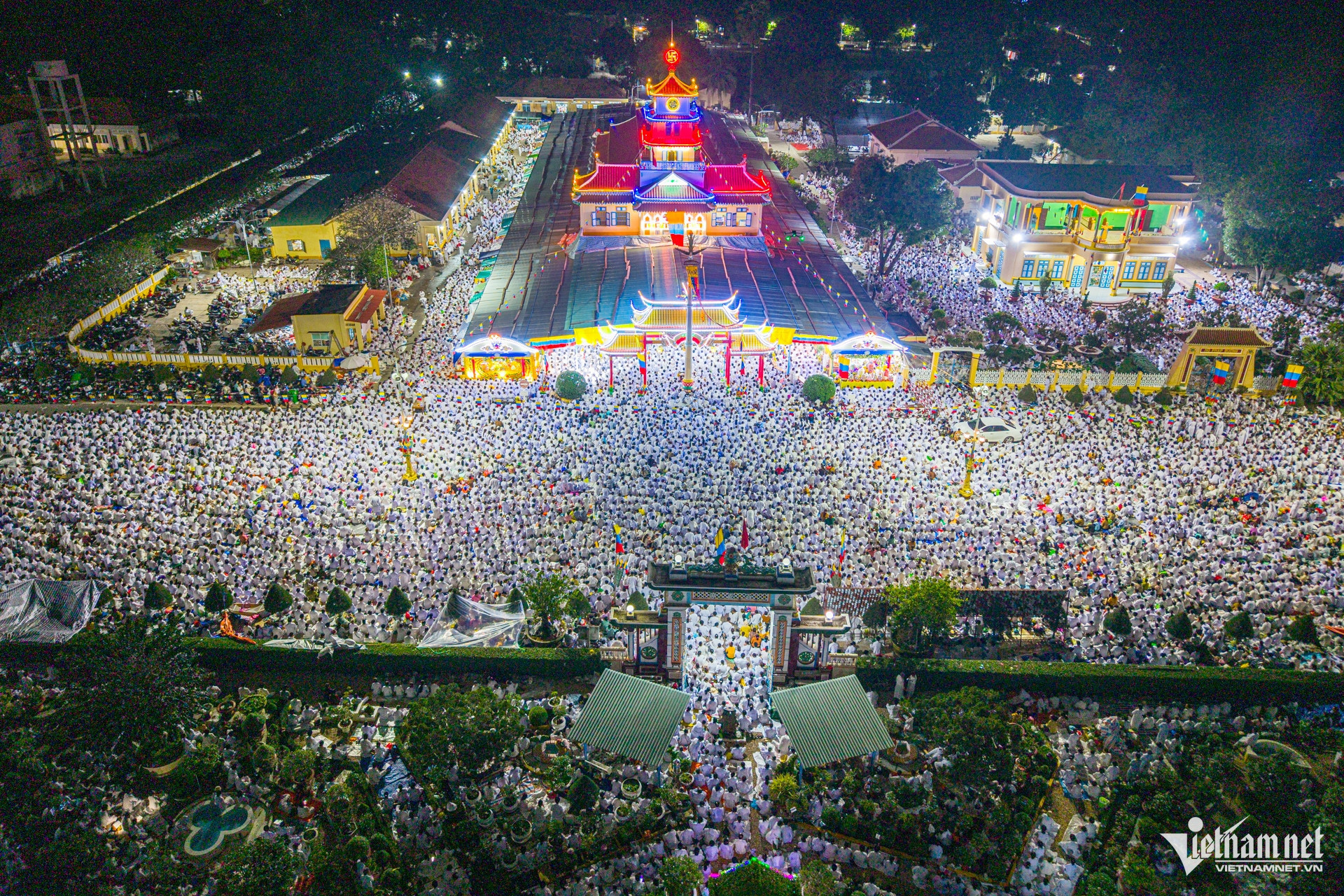
Different religions coexist and develop in a spirit of accompanying the nation, serving communities and contributing to society. Every year, thousands of religious festivals and activities are organized publicly and attract large numbers of followers.
Within this landscape, Buddhism, with its long-standing history, has had a profound influence on the country’s traditional cultural life. As a result, Vesak celebrations often receive broad social attention and are held on a large scale across many localities.
In 2026, according to an official notice from the Vietnam Buddhist Sangha, Vesak 2570 will be organized nationwide from May 17 to May 31, corresponding to the first to the fifteenth day of the fourth lunar month.
To support Vesak celebrations organized by all levels of the Vietnam Buddhist Sangha, the Ministry of Ethnic and Religious Affairs issued Official Dispatch No. 1121/BDTTG-TGCP on April 30, 2026 requesting local authorities to coordinate assistance and extend visits, encouragement and congratulations to outstanding Buddhist organizations, dignitaries, monks and followers who have contributed to national development.
Creating conditions for religious organizations to operate in accordance with the law is the responsibility of a rule-of-law state, not a form of “special favor” granted to any particular religion as hostile narratives intentionally claim. By distorting facts and attempting to pit religions against one another, these forces seek to deny the Party and State’s policy of equality among religions.
Vietnam’s 2013 Constitution clearly states that everyone has the right to freedom of belief and religion, to follow or not follow any religion, and that all religions are equal before the law. The State respects and protects citizens’ freedom of belief, religion and non-belief.
The 2016 Law on Belief and Religion, amended and supplemented in 2026, further institutionalized these rights through provisions ensuring that religious activities are conducted publicly, transparently and in accordance with the law.
Religious life in practice refutes all distortions
If one only looked at narratives circulating on social media or hostile websites, it might appear as though Buddhism alone enjoys favorable conditions in Vietnam. But the realities of religious life in the country show the exact opposite.
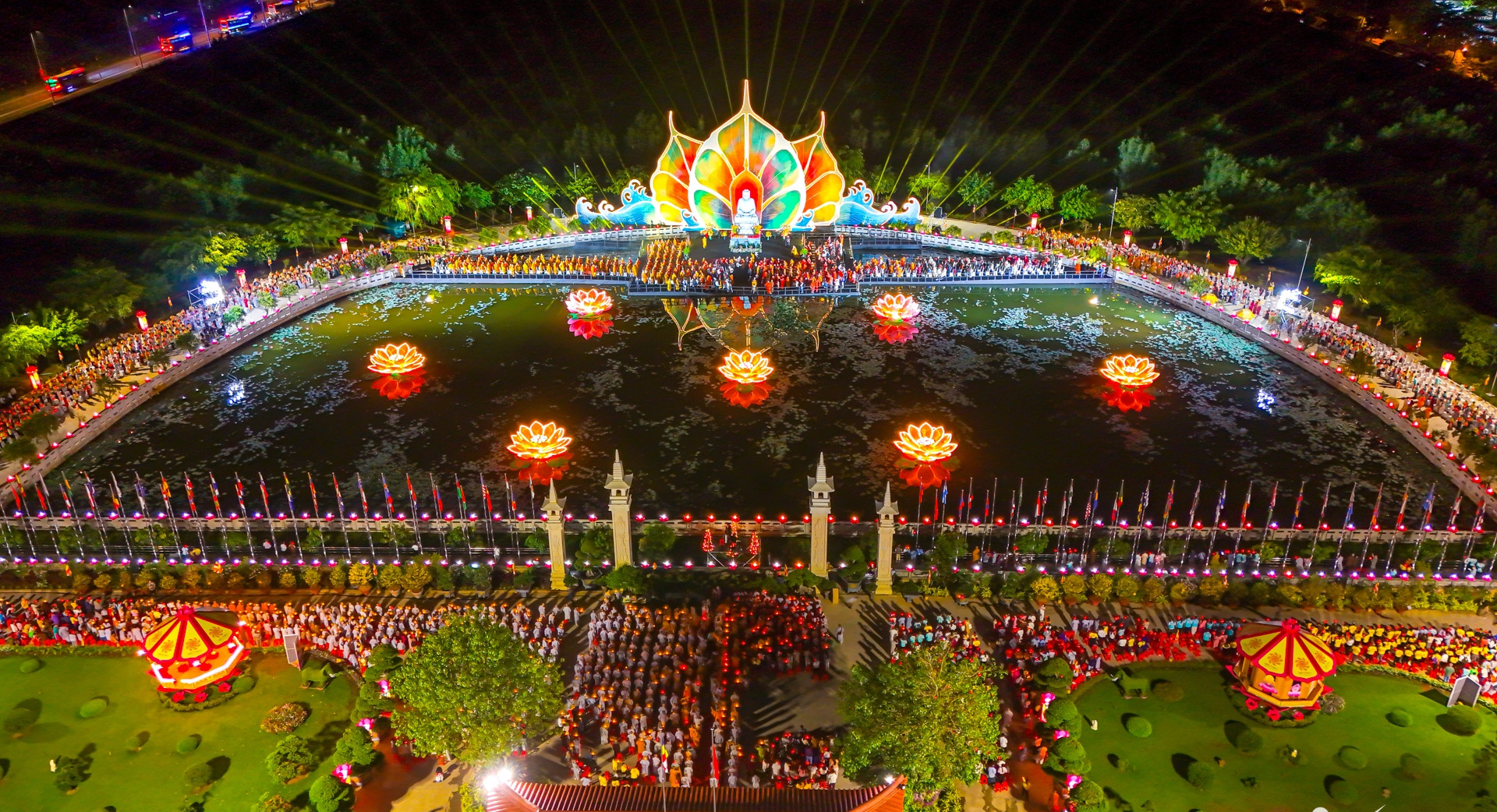
In recent years, Vietnam has successfully hosted many major international religious events that have received positive international recognition, including the Federation of Asian Bishops’ Conferences in 2012, the Dominican Order General Chapter in 2019 and multiple United Nations Vesak celebrations.
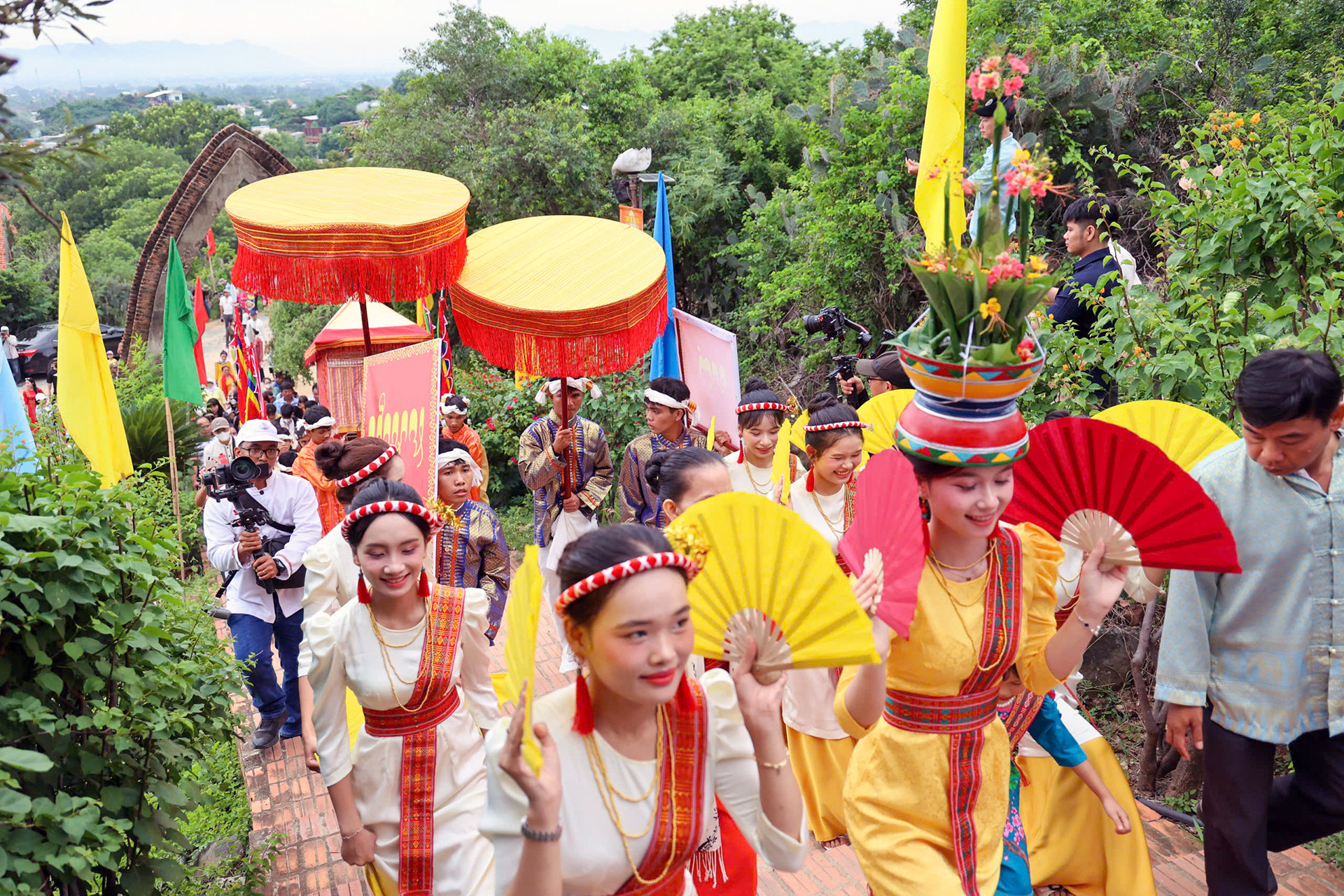
Each year, major religious celebrations such as Vesak and Vu Lan of Buddhism, Christmas and Easter of Catholicism and Protestantism, the Dien Dieu Tri Cung Festival of Cao Dai, the Kate Festival of the Cham people and Ramadan of the Muslim community are held on a large scale with the participation of large numbers of followers. Many important religious celebrations have also become shared community events.
Religious organizations are also allowed to train clergy, publish scriptures, renovate places of worship, organize charitable activities and engage in international exchanges.
Many religious dignitaries also participate in elected bodies, the Vietnam Fatherland Front and socio-political organizations. These realities clearly refute allegations that Vietnam “discriminates against religions” or “favors Buddhism alone.”
Spreading harmony and strengthening national unity
Throughout Vietnam’s history, religions have long maintained a tradition of standing alongside the nation and accompanying the people in building and defending the country. From social welfare activities and support for the poor to disaster relief, moral education and cultural preservation, religious organizations continue to make important contributions to society.
In this context, Vesak is not merely a religious celebration, but also a vehicle for spreading messages of tolerance, harmony and responsibility toward the community. In a society as culturally and religiously diverse as Vietnam, these values form an essential foundation for strengthening national unity.
Vietnam’s successful hosting of the United Nations Vesak celebrations on four occasions also demonstrates international recognition of the country’s environment for religious freedom.
Without genuine guarantees of religious freedom, it would be difficult to organize large-scale international religious events involving thousands of delegates from many countries and territories.
Most recently, the 2025 United Nations Vesak held in Ho Chi Minh City received more than 1,000 presentations from domestic and international delegates.
Throughout the conference, two core themes consistently emerged: unity and tolerance, reflecting the spirit of compassion, wisdom and the pursuit of collective happiness and sustainable development for every nation and people.
Vesak and the message of unity among religions
Unity and tolerance are not merely Buddhist moral teachings, but guiding principles for people’s thoughts, words and actions in building a peaceful society with fewer conflicts and greater compassion.
At the opening ceremony of Vesak on May 6, 2025, Sri Lankan President Anura Kumara Dissanayaka emphasized that thousands of years ago, the Buddha advocated breaking outdated prejudices in order to build a fair world free from discrimination.
“Equality occupies a central place in the Buddha’s core teachings. In that spirit, Vietnam can be seen as a vivid example of a nation rising through the philosophy of equality,” President Dissanayaka said.
That assessment reflected not only praise for a successful Vesak celebration, but also international recognition of Vietnam’s open, stable and equal religious environment.
From solemn religious celebrations held nationwide to international recognition through United Nations Vesak events, all of these serve as vivid evidence of Vietnam’s consistent policy of respecting and ensuring people’s freedom of belief and religion.
Vesak is not only a sacred occasion for monks, nuns and Buddhists, but also a platform for spreading messages of unity, tolerance and peaceful coexistence among religions within the Vietnamese national community.
At a time when hostile forces continue attempting to exploit religious issues to sow division, every citizen must remain alert to the false nature of distorted narratives while continuing to strengthen the great national unity bloc - the solid foundation for a sustainable, humane and compassionate Vietnam.
Sy Hao - Nguyen Duc Toan
.svg)
