 Vietnamnet.vn

 Podcast



This was PM Hung’s first overseas trip in his new capacity, reaffirming Vietnam’s strong role, standing, and proactive, responsible spirit in the process of building the ASEAN Community.
Against a backdrop of rapidly evolving and increasingly complex regional and global developments, intensifying strategic competition among major powers, and the growing presence of non-traditional security challenges such as climate change, energy security and food security, the PM’s trip not only contributed to the overall success of the summit, but also left many outstanding marks of Vietnam as an active, proactive and responsible member of ASEAN.
This was also an opportunity for Vietnam to further strengthen ties with regional partners through a series of bilateral meetings on the sidelines of the summit, thereby enhancing political trust and promoting cooperation in trade, investment, infrastructure connectivity, digital transformation and climate change response.
The 48th ASEAN Summit took place at a time when the Asia-Pacific region and the world are experiencing profound shifts. Global economic recovery remains slow, tendencies of protectionism are on the rise, and intensifying strategic competition among major powers continues to impact the region’s security and development environment. The summit was widely viewed as especially timely amid increasingly complex regional and global developments, particularly the recent crisis in the Middle East.
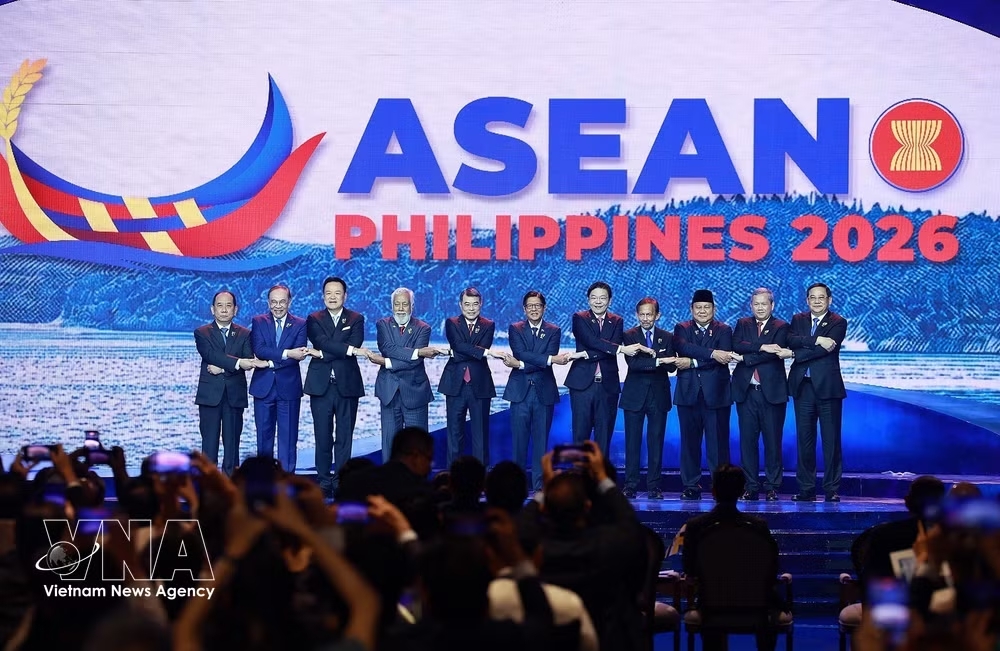
In that context, ASEAN leaders focused their discussions on reinforcing regional solidarity, strengthening resilience, ensuring energy and food security, advancing economic connectivity, accelerating digital transformation and maintaining ASEAN centrality in the evolving regional architecture.
Under the theme “Navigating Our Future, Together” and the priorities proposed by the Philippines as ASEAN Chair in 2026, the summit reaffirmed ASEAN’s determination to build a united, inclusive, resilient and adaptive community capable of responding effectively to regional and global challenges.
One of the key highlights of the summit was the focus on sustainable economic recovery and growth. Despite global economic uncertainties, ASEAN continues to be regarded as one of the world’s most dynamic growth regions. However, to sustain this momentum, the bloc must further strengthen intra-ASEAN connectivity, diversify markets and enhance competitiveness.
During summit sessions, the Vietnamese PM put forward numerous proposals and initiatives aimed at contributing to ASEAN’s collective responses to current and future challenges. Among these, the most important and highest priority is ensuring a peaceful and stable environment conducive to sustainable development and improved living standards for ASEAN citizens.
The PM emphasised that amid regional and global volatility, unity remains ASEAN’s core strength, enabling the bloc to overcome difficulties and uphold its central role in the regional architecture. According to him, ASEAN must maintain a common voice, strengthen strategic trust and uphold the spirit of consensus in addressing emerging challenges.
He also proposed three major priorities: concentrating resources on essential security needs, including energy security, food security and human security; promoting substantive cooperation to enhance ASEAN’s internal capacity and resilience; and strengthening coordination and unity within ASEAN.
In discussions, the Vietnamese government leader stressed the importance of strengthening intra-ASEAN economic connectivity as a key driver for maintaining growth amid global headwinds. Vietnam proposed ASEAN further strengthen collaboration in digital transformation, digital economic development, and build new cooperation frameworks on data, artificial intelligence, innovation, and high-quality human resources training.
Notably, Vietnam underlined the importance of building resilient supply chains capable of withstanding external shocks, while promoting cooperation in renewable energy, digital infrastructure and logistics to improve regional connectivity.
Vietnam’s message at the summit reflected its consistent policy of promoting inclusive and sustainable development with people at the centre, while strengthening intra-ASEAN economic connectivity, innovation, digital transformation and green growth. Vietnam’s proposals were positively received by many ASEAN member states for their practicality, feasibility and relevance to the region’s evolving development needs.
According to Deputy Foreign Minister Dang Hoang Giang, Vietnam’s proposals were comprehensive across the pillars of peace, stability and security, while also enhancing ASEAN’s economic connectivity both internally and with external partners.
He added that many countries strongly supported Vietnam’s proposals on implementing commitments related to energy security, oil and fuel supplies, promoting intra-ASEAN trade, removing trade barriers within ASEAN and expanding ASEAN’s external relations.
Vietnam’s active and constructive participation at the 48th ASEAN Summit once again affirmed the country’s growing position in the region. In recent years, Vietnam has consistently been recognised as one of ASEAN’s most active members, making substantive contributions to the building of the ASEAN Community and regional cooperation.
Through the summit discussions, Vietnam clearly demonstrated its consistent commitment to building a united, resilient and adaptive ASEAN, while promoting a balanced approach between economic growth and sustainable development, as well as between digital transformation and social welfare protection. The active engagement of the Vietnamese delegation throughout the summit further conveyed the image of a dynamic, deeply integrated Vietnam ready to contribute to regional and global affairs.
The participation of PM Hung and the high-level Vietnamese delegation in the summit immediately after the new Government began its term also reaffirmed the country’s consistent foreign policy of independence, self-reliance, multilateralisation and diversification of international relations. It also underscored Vietnam’s continued view of ASEAN as a top strategic priority in its foreign and international integration policy.
On the sidelines of the summit, the Vietnamese government leader held numerous bilateral meetings with leaders of ASEAN member states and international organisations. The meetings took place in a sincere and open atmosphere, reflecting growing political trust between Vietnam and regional partners.
During these meetings, the PM emphasised the priority of enhancing high-level exchanges, consolidating political trust and effectively implementing existing cooperation frameworks. He reaffirmed Vietnam’s spirit of friendship, solidarity and cooperation, while expressing the desire to tap new areas of cooperation in trade, intra-ASEAN economic collaboration, food and energy security, supply chain development and regional infrastructure connectivity.
Regional leaders highly valued Vietnam’s role and contributions to ASEAN and regional development. The sides agreed to continue promoting the exchange of delegations at all levels and enhancing cooperation in trade, investment, tourism and people-to-people exchanges. As ASEAN intensifies regional connectivity, Vietnam is increasingly viewed as a dynamic economy capable of effectively linking Southeast Asia with global supply chains.
Through these bilateral engagements, Vietnam once again affirmed its role as a trusted partner and a proactive, responsible member of the regional community.
Overall, PM Hung’s first overseas trip was a success on both multilateral and bilateral fronts, leaving a strong impression of Vietnam’s proactive, active and responsible spirit, as well as its substantive and effective contributions to ASEAN’s common agenda and to peace and development in the region and the world./. VNA
.svg)
