 Vietnamnet.vn

 Podcast



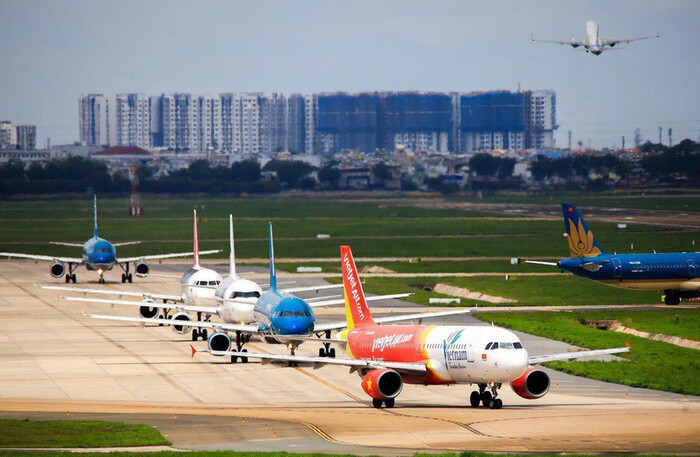
According to a report by the Civil Aviation Authority of Vietnam submitted to the Ministry of Construction, Jet A-1 fuel prices have risen sharply due to geopolitical tensions, increased war-risk insurance costs and localized supply shortages as several regional refineries reduce output.
Average fuel prices in March were forecast at US$190–200 per barrel, but at times surged beyond US$234 per barrel. Notably, the physical premium has also climbed significantly, exceeding US$30 per barrel.
With fuel accounting for around 35–40 percent of total operating costs, a doubling of oil prices compared to pre-conflict levels could push airline operating expenses up by as much as 40 percent.
Beyond rising costs, supply risks are also emerging as domestic providers rely heavily on imports. Current commitments only guarantee sufficient fuel supply through mid-April.
Airlines cut flights
Facing these pressures, airlines have begun adjusting their operations.
Vietnam Airlines has announced the suspension of seven domestic routes from April 1 and plans to cut between 700 and 1,700 flight pairs per month in the second quarter, depending on fuel price developments.
Vietjet is planning to reduce total capacity by 18 percent in April, with domestic services down by up to 22 percent. The airline indicated further adjustments may follow if fuel prices remain elevated.
Bamboo Airways is expected to cut more than half of its flight frequency, operating around 15–17 flights per day, focusing on key trunk routes and major tourist destinations.
Pacific Airlines and other carriers are also preparing to reduce supply by 8–30 percent, trimming off-peak and low-demand flights.
Meanwhile, smaller carriers such as Vietravel Airlines will maintain current operations but plan to increase flights toward the end of April as additional aircraft are introduced for the holiday and summer peak season.
The trend is not limited to Vietnam. A survey of nearly 40 international airlines shows that more than 60 percent have already implemented or are planning fuel surcharges or fare increases since mid-March.
The Civil Aviation Authority of Vietnam noted that with Jet A-1 prices remaining high, domestic carriers are unlikely to avoid fare increases from April in order to offset costs and sustain operations.
To address the situation, the authority has proposed introducing a temporary fuel surcharge on domestic economy-class tickets for three months, from April 1 to June 30.
The surcharge would be flexible, linked to Jet A-1 prices and set outside the current fare cap framework, with reference prices based on the Singapore market.
In addition, the authority has recommended a series of support measures for airlines, including maintaining a zero percent import tax on aviation fuel, reducing environmental protection taxes and lowering VAT to ease financial pressure.
Vu Diep
.svg)
