 Vietnamnet.vn

 Podcast



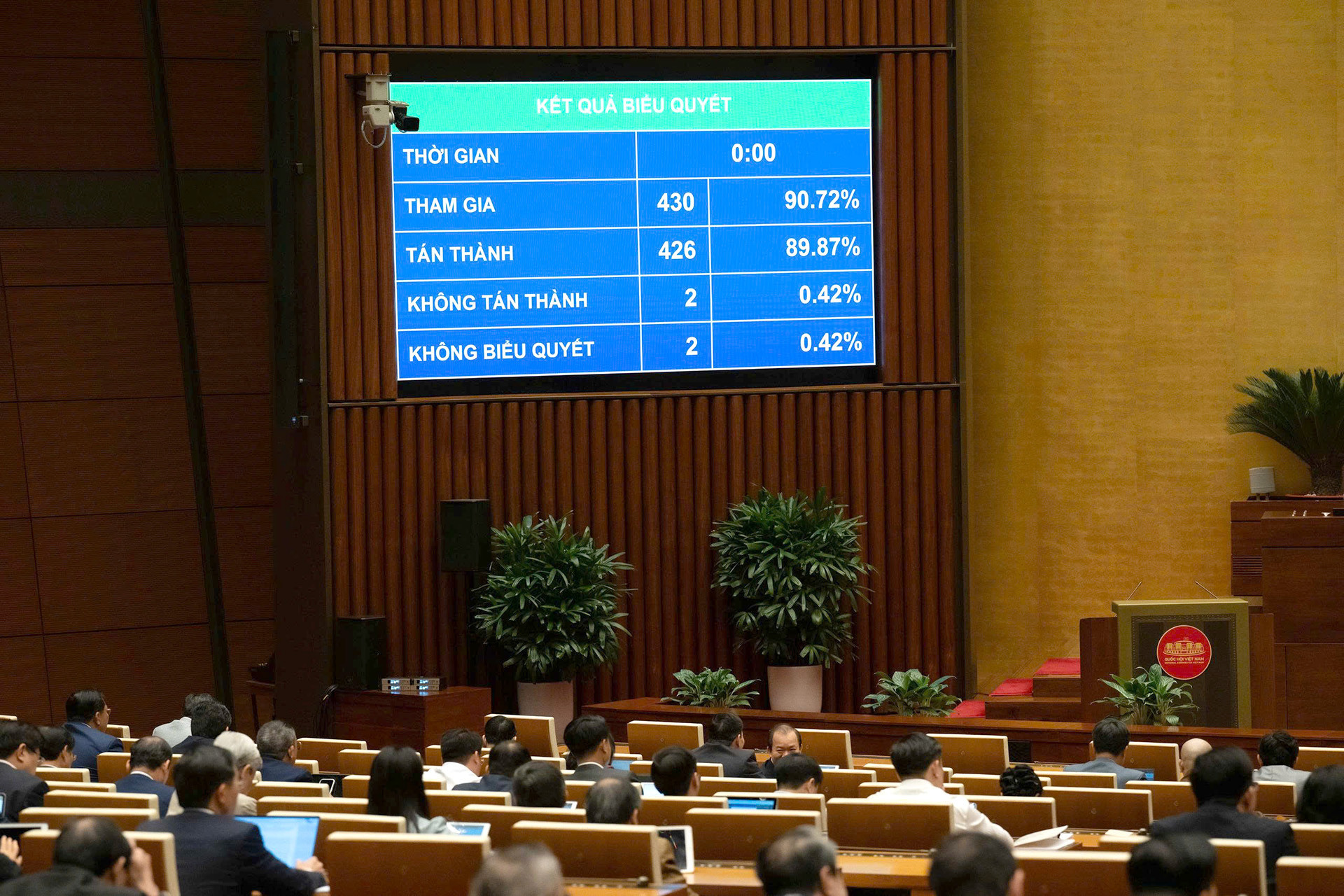
The duration of detention and the contents of the request must comply with the treaty’s requirements.
The emergency detention request must include the reasons and objectives of the request, the personal information of the individual, the criminal charges involved, a summary of the case, a commitment to compensate in case of wrongful detention, and an affirmation that the provided information is accurate and truthful.
If the requesting country is not a party to an extradition treaty with Vietnam, the Ministry of Public Security will still assess the legal validity of the request. If deemed valid, the Ministry will promptly forward it to the competent police authority to carry out the detention and place the individual in a detention facility.
In such cases, the maximum detention period is 45 days from the date of admission into the facility.
The newly passed law also regulates how Vietnam responds to the death penalty in extradition cases.
When a foreign country requests Vietnam to refrain from imposing or carrying out a death sentence on the individual subject to extradition, the Ministry of Public Security, in coordination with relevant ministries and agencies, may issue one of two types of statements:
First, if the individual falls under a category exempt from the death penalty under Vietnam’s Penal Code, Vietnam will formally confirm that it will not apply or enforce the death penalty.
Second, if the individual does not fall under such a category, Vietnam may still declare that it will not enforce the death penalty - this requires the approval of the President.
Conversely, when Vietnam requests the extradition of an individual from abroad, it may formally ask that the death penalty not be applied or enforced, and request a written commitment to that effect from the foreign country.
During previous discussions, some delegates suggested adding a provision for monitoring a foreign country’s compliance with post-extradition commitments. They proposed that if violations occur, Vietnam should have the right to seek compensation or apply corresponding diplomatic measures.
However, the National Assembly’s Standing Committee recommended not including such provisions in the final draft.
According to the committee, accepting and fulfilling conditions attached to extradition requests falls under the domestic jurisdiction of each nation. Once extradition is completed, Vietnam must respect the sovereignty and internal affairs of the foreign country. Any follow-up can only be pursued diplomatically, not through enforcement or penalties.
Also this morning, the National Assembly passed the Law on the Transfer of Sentenced Persons. This law has four chapters and 48 articles, detailing principles, authorities, conditions, procedures, and responsibilities of Vietnamese agencies in transferring individuals serving prison sentences between Vietnam and other countries.
In addition, the National Assembly approved the Law on Civil Judicial Assistance. This law comprises four chapters and 38 articles, regulating principles, jurisdiction, procedures, and responsibilities of Vietnamese agencies in international civil judicial cooperation.
Lastly, the National Assembly passed the Law on Criminal Judicial Assistance, which includes four chapters and 42 articles. It outlines Vietnam’s framework for international cooperation in criminal legal matters, including the responsibilities of relevant Vietnamese authorities.
Tran Thuong
.svg)
