 Vietnamnet.vn

 Podcast



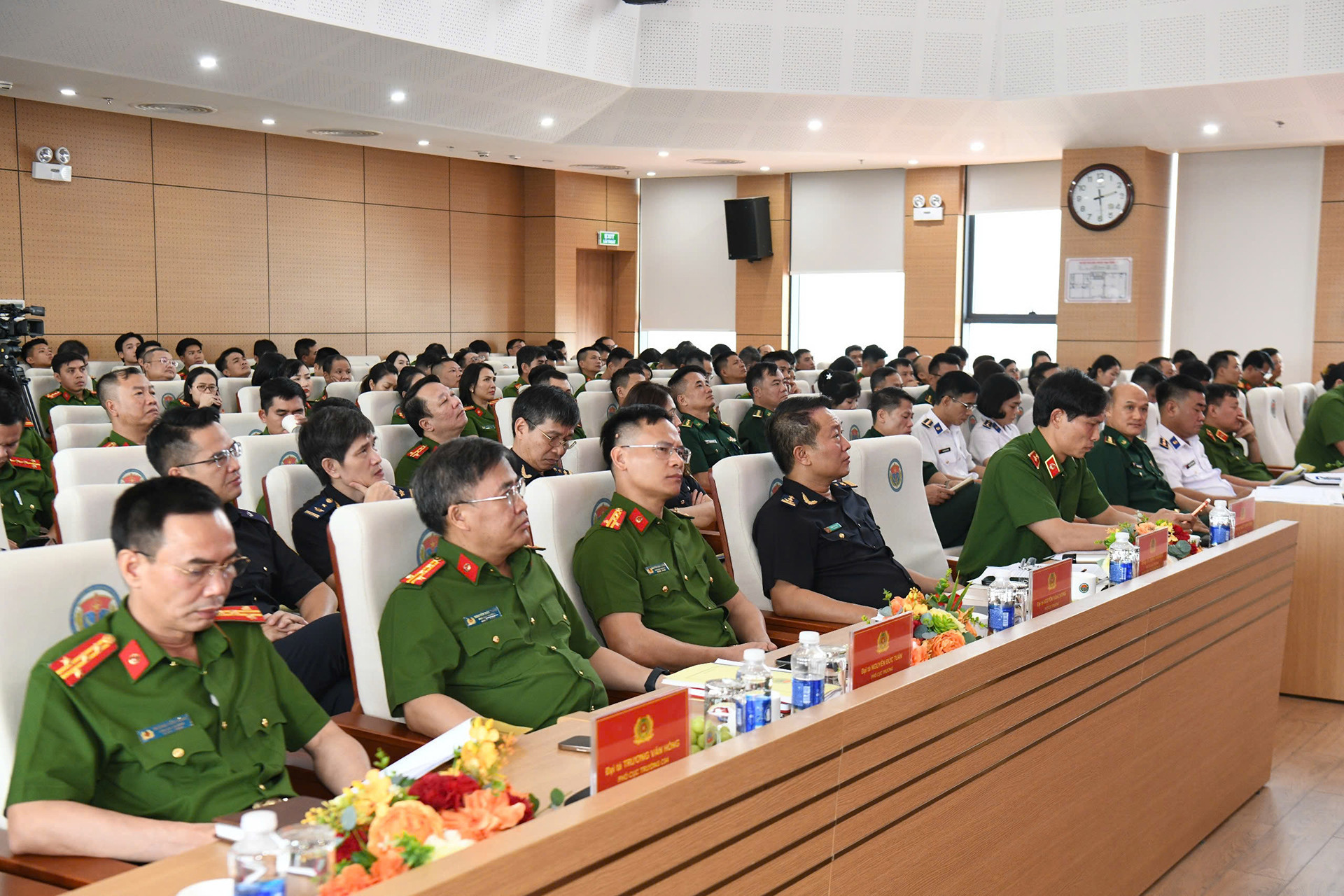
In response to these developments, specialized forces have strengthened coordination, information sharing, verification and processing, improving their ability to work together against criminal networks.
Since the beginning of the year, drug crime investigation police nationwide have successfully handled more than 17,600 cases and arrested nearly 35,400 suspects.
Seized evidence included 99.8kg of heroin, 30kg of cocaine, 407kg of cannabis, 953kg and nearly 900,000 pills of synthetic drugs, 1.16 tons of ketamine, 50 tons of caffeine and 116kg of other narcotics.
The Drug Crime Investigation Police Department alone has led and coordinated with police units and local authorities in detecting and making arrests in 26 cases involving more than 1,000 suspects. Of these, eight cases involved coordination with specialized anti-drug forces from the Border Guard and Coast Guard.
Border Guard forces led and coordinated operations that uncovered 487 cases and resulted in the arrest of 915 suspects. Authorities seized 1.6 tons of various drugs and 49 tons of caffeine, while also uprooting 958 opium poppy plants.
The Coast Guard coordinated operations in 74 cases, arresting 561 suspects and seizing more than 15kg of heroin, nearly 1.2 tons of synthetic drugs and almost 70g of cannabis.
Meanwhile, customs authorities led and coordinated operations that uncovered 95 cases involving 233 suspects, seizing approximately 677kg of various narcotics.
One of the most significant results of inter-agency coordination was the dismantling of an illegal maritime drug trafficking ring, resulting in the seizure of more than 1.1 tons of synthetic drugs. According to authorities, it was the largest drug seizure ever recorded in a coordinated anti-narcotics operation at sea.
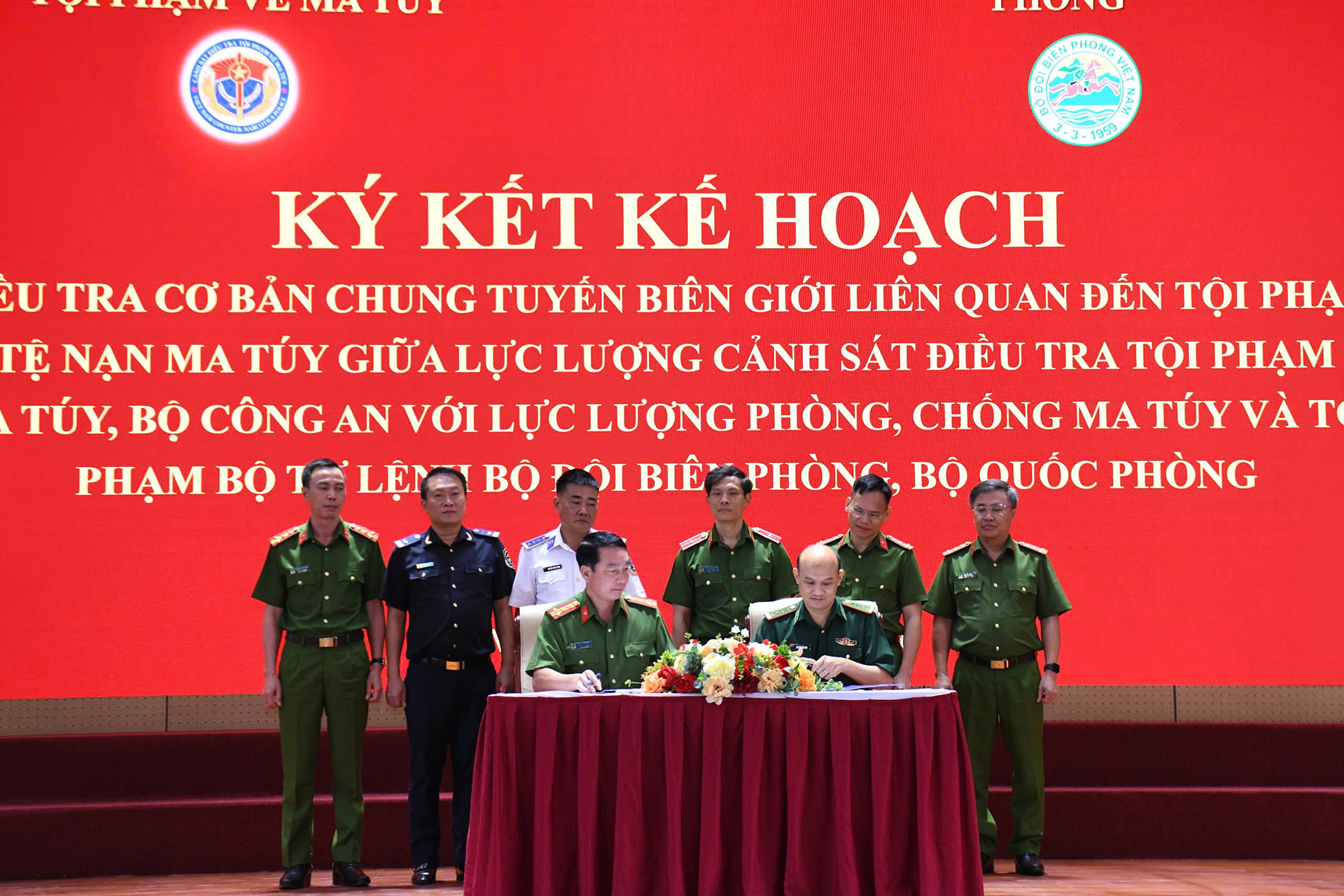
At the conference, the Ministry of Public Security’s Drug Crime Investigation Police Department and the Border Guard Command’s Department of Drug and Crime Prevention and Control signed coordination regulations on drug prevention and control.
Dinh Hieu
.svg)
