 Vietnamnet.vn

 Podcast


Still no settled core
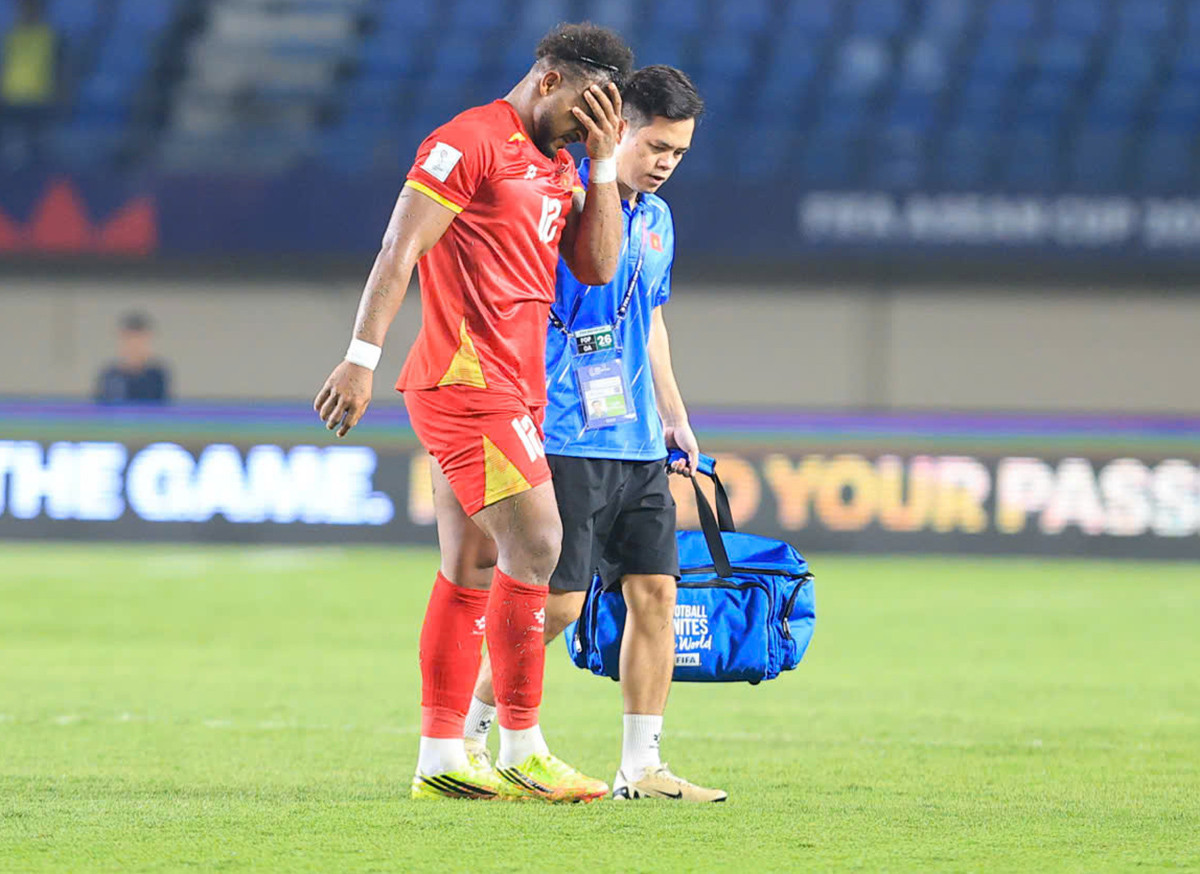
From winning the ASEAN Cup to finishing fourth at the FIFA ASEAN Cup 2026, Vietnam's national football team has shown two contrasting faces in a relatively short period. Those results raise questions about whether Kim Sang Sik and his players can maintain consistent performances.
The issue is not how many players Kim has used, but what those experiments have actually achieved. When key players are unavailable or not fully fit, Vietnam still struggle to maintain their playing structure. Their replacements have yet to demonstrate that they can perform the same roles effectively, leaving the team vulnerable to losing cohesion between different areas of the pitch.
Squad rotation is a normal part of football, but Vietnam should not have to rethink their entire approach every time a player is replaced. Building a team means developing alternatives that can operate within the same system. If the coaching staff must improvise whenever someone is missing, that is still a makeshift solution rather than genuine squad development.
After more than two years in charge, Kim appears no closer to establishing a squad with sufficient depth. The upcoming national team gathering ahead of the next FIFA international window is likely to involve yet another round of experimentation.
What must change before the Asian Cup
The 2027 AFC Asian Cup presents a different level of challenge, with Vietnam set to face South Korea, the United Arab Emirates and Yemen. Problems left unresolved in recent tournaments could become serious weaknesses when Kim's players come up against stronger opposition.
The South Korean coach needs to identify a reliable core based on actual performances and establish clearly defined responsibilities across the team. Who controls the tempo in midfield? How should Vietnam build attacks when opponents press aggressively? And what alternatives are available when the preferred approach stops working?
These are questions that need convincing answers well before the tournament begins.
November's friendlies against Chinese Taipei and Kyrgyzstan should therefore be judged on more than their final scores. They offer an opportunity to assess whether Vietnam can maintain their structure when personnel change, adapt their tactical approach and cope with pressure.
Kim still has time, but experimentation cannot continue indefinitely without a clear objective. Vietnam do not need an ever-growing list of promising options. They need a dependable team capable of functioning effectively even when important players are missing.
More than two years into Kim's tenure, the question is no longer simply how successful he might become. It is whether Vietnam have developed a genuinely competitive squad, with enough quality and depth throughout, or remain a team repeatedly patched together from one tournament to the next.
Duy Nguyen

