 Vietnamnet.vn

 Podcast


Speaking at a National Assembly discussion on socioeconomic affairs on the morning of October 18, Deputy Prime Minister Pham Thi Thanh Tra outlined major achievements Vietnam has recorded despite numerous difficulties and challenges.
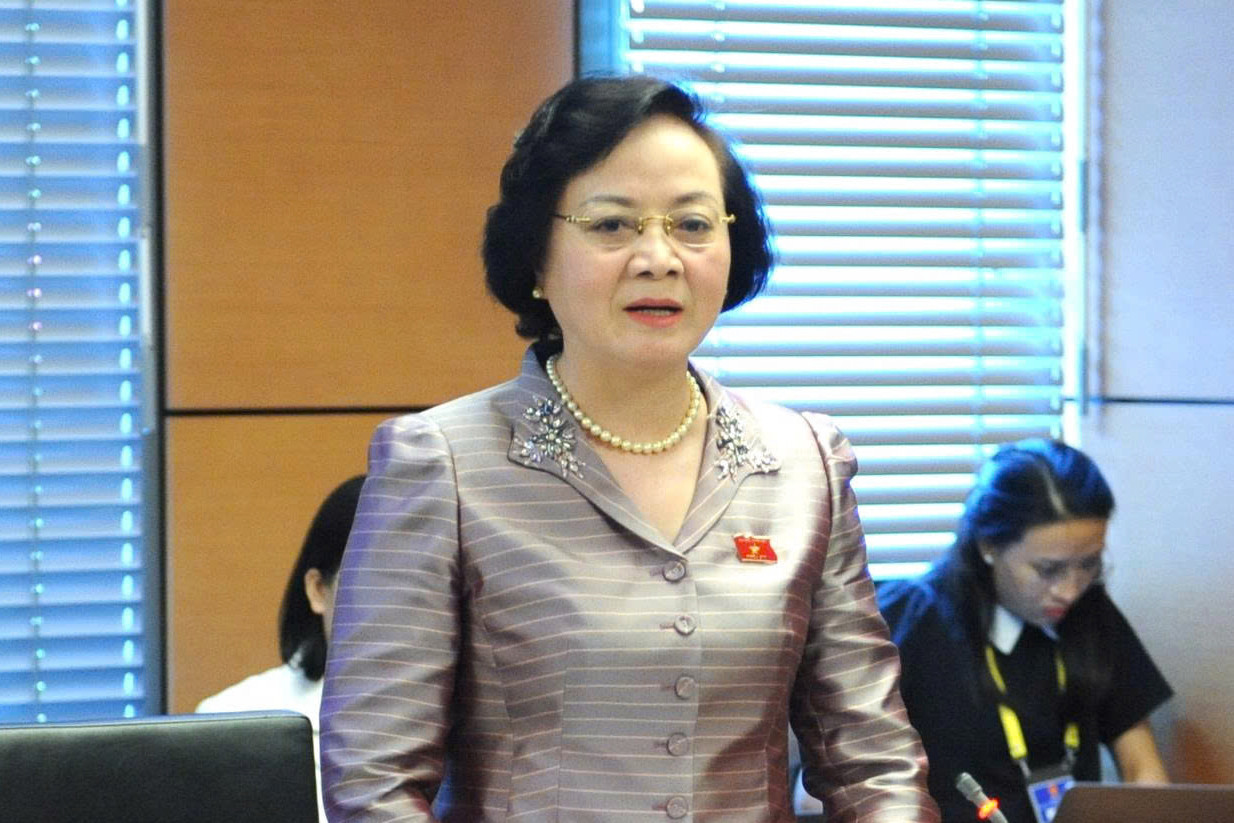
Regarding leadership and policy implementation, she said decisions had been implemented rapidly, decisively and consistently from the central government to the grassroots level, creating strong coordination throughout the administrative system.
Whenever the Politburo or Party Central Committee issued a resolution, authorities at all levels immediately studied its requirements and developed action plans for implementation.
According to the Deputy Prime Minister, this leadership approach has enabled authorities to respond quickly and proactively to complex emerging challenges.
During the first quarter, fuel prices experienced significant volatility, threatening to disrupt numerous sectors unless timely measures were introduced.
The Politburo promptly provided policy direction, while the National Assembly and Government introduced tax and fee exemptions, reductions and payment extensions worth approximately VND 336 trillion (US$12.8 billion) to stabilize fuel prices and ease economic difficulties.
The Deputy Prime Minister said the Government had also changed its governance approach to become more responsive, focused and results-oriented.
Specific responsibilities have been assigned throughout the state administrative system, with performance evaluated according to concrete outcomes and deliverables.
Another achievement highlighted by Tra was Vietnam's strong economic growth, which reached 9.01% during the first nine months of 2026.
Authorities have also concentrated on resolving difficulties affecting more than 5,000 long-delayed projects.
Through special resolutions adopted by the National Assembly, obstacles affecting more than 3,000 projects have been addressed.
Nearly 900 projects, representing total investment of more than VND 2 quadrillion (approximately US$76 billion), have been brought into operation to support economic activity.
The Deputy Prime Minister described institutional reform and administrative procedure simplification as a major transformation.
As an example, she said the Government had reduced both administrative compliance costs and processing times by 53%.
Alongside efforts to improve the effectiveness of the political system, particularly the operation of the two-tier local government model, Vietnam has completed a nationwide restructuring of its school network.
The number of schools has been reduced by 50.6%, accompanied by a restructuring of management personnel and support staff.
The country has also reduced the number of villages and residential groups by more than 46%, while continuing efforts to streamline the internal structures of ministries and government agencies.
However, the Deputy Prime Minister acknowledged several major challenges.
Economic growth has not yet become fully sustainable, inflationary pressures remain high, and the financial, monetary, real estate and labor markets continue to face difficulties.
She also expressed concern about a tendency among some public officials and employees to avoid making decisions because of fears of mistakes or accountability.
Despite these challenges, Tra reaffirmed the Government's determination to achieve double-digit economic growth through coordinated measures.
These include strengthening traditional growth drivers while unlocking new sources of growth, particularly the green economy, digital economy and circular economy.
She also called for faster resolution of obstacles affecting major infrastructure projects, further administrative reforms, accelerated public investment disbursement and improvements in the operation of the two-tier local government system.
Inefficient capital investment could increase inflation risks
Meanwhile, National Assembly Vice Chairwoman Nguyen Thi Hong discussed the relationship between Vietnam's ambitious economic growth targets and inflation control.
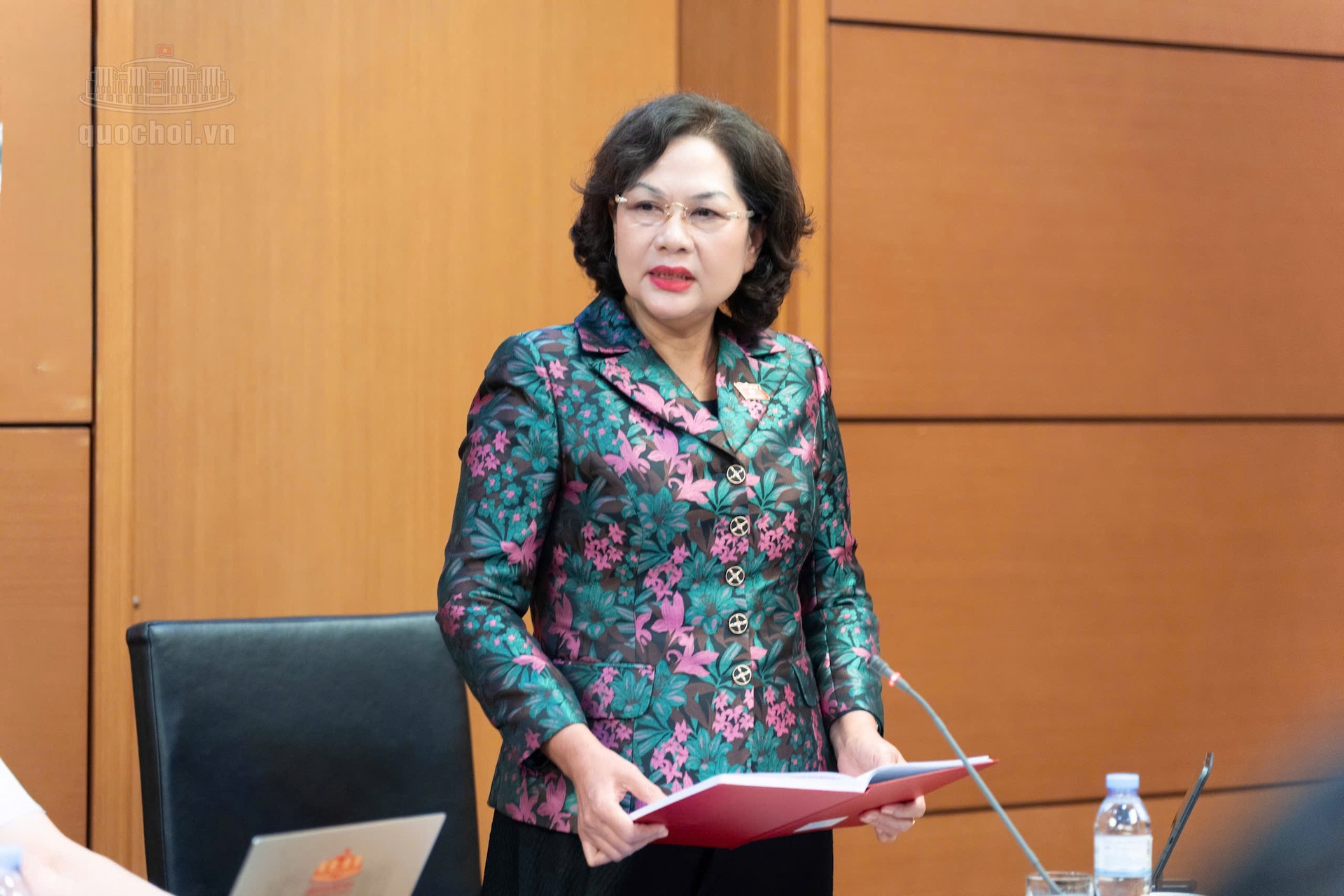
She noted that Vietnam had set a target of achieving double-digit economic growth in 2026 while keeping inflation at approximately 4.5%.
Maintaining a similar double-digit growth target for 2027, alongside an inflation target of around 4.5%, was consistent with both economic theory and practical conditions, she said.
According to Hong, rapid economic expansion is generally accompanied by a corresponding level of inflation, making it unrealistic to expect inflation to fall to extremely low levels of just 1-2%.
The National Assembly Vice Chairwoman warned that inflation would continue to face several unfavorable pressures in the coming period.
Pursuing double-digit growth would increase demand for investment and consumption, potentially adding upward pressure on prices.
At the same time, although innovation and digital transformation have been identified as key economic growth drivers, their contributions to labor productivity will take time to materialize.
These factors cannot immediately deliver substantial productivity improvements in the short term.
Consequently, Vietnam's economy will still need to rely heavily on capital investment.
However, Hong cautioned that injecting large amounts of capital into the economy without ensuring its efficient use could increase inflation risks.
Based on this assessment, she urged the Government to strengthen economic analysis, forecasting and regular monitoring of inflation developments to develop appropriate policy responses.
If risks to macroeconomic stability emerge, authorities should proactively adjust policies to bring inflation expectations toward the lower end of the target range, approximately 4-4.5%.
For Vietnam's economy, she emphasized, public sentiment and inflation expectations play particularly important roles in determining actual inflation outcomes.
Tran Thuong

