 Vietnamnet.vn

 Podcast



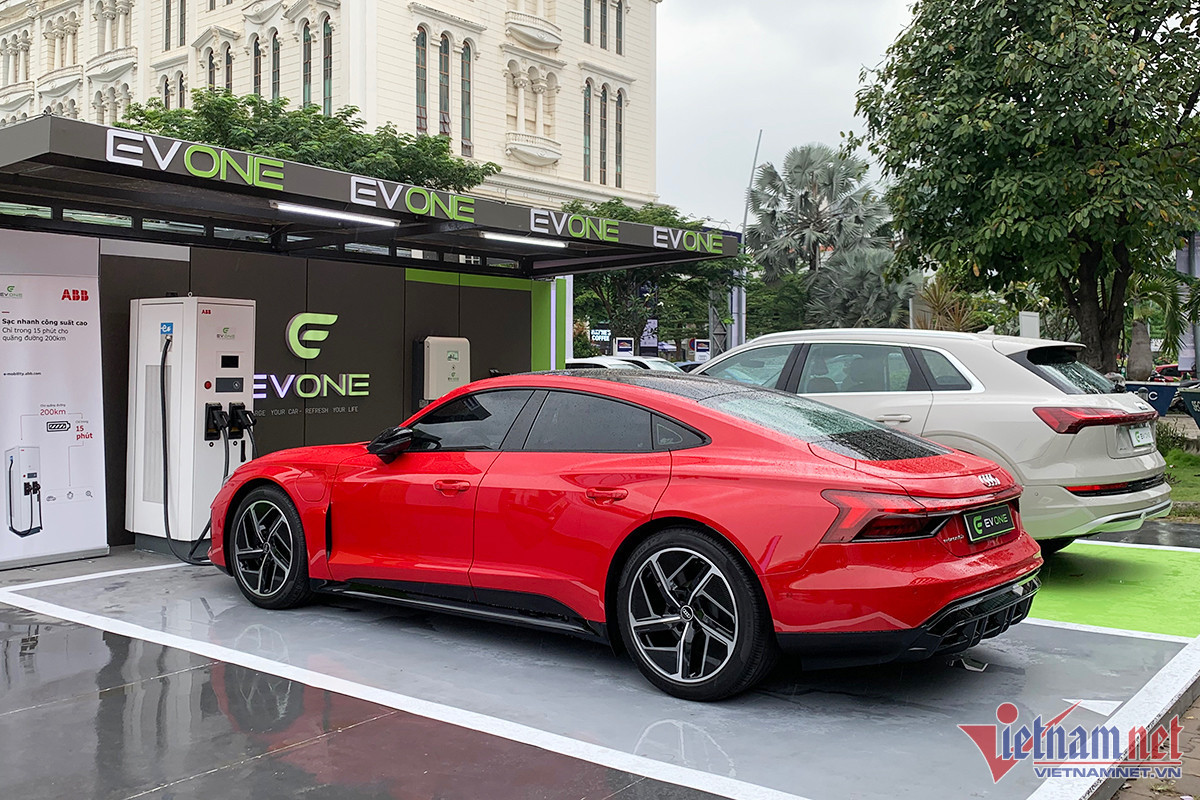
The Vietnamese government has issued Decree No. 202/2026/ND-CP, amending and supplementing several provisions of Decree No. 10/2022/ND-CP on registration fees. The most notable change is the continuation of strong incentives for battery electric vehicles (BEVs), effectively extending the "zero registration fee" policy through December 31, 2030.
Under the new regulation, battery electric vehicles will continue to enjoy a 0% first-time registration fee from the date the decree takes effect. The policy will be applied consistently according to vehicle classifications issued by the Minister of Construction.
Decree No. 202/2026/ND-CP will officially take effect on March 1, 2027, succeeding the provisions of Decree No. 51/2025/ND-CP, which had previously extended the 0% registration fee incentive for electric vehicles through February 2027.
With the latest extension, the incentive period will be prolonged by nearly four additional years, creating a more stable policy framework for Vietnam's electric vehicle market over the long term.
In practice, the 0% registration fee policy for battery electric vehicles was first introduced in 2022 under Decree No. 10/2022/ND-CP. The original roadmap granted a full exemption for three years, followed by a registration fee rate equal to 50% of that applied to gasoline and diesel vehicles for the next two years. However, amid the market's accelerating shift toward electrification, the government has repeatedly adjusted the policy in favor of extending incentives.
According to the Ministry of Finance, maintaining the incentive serves a dual objective: reducing the upfront cost burden for consumers while accelerating the transition toward greener transportation and lower emissions in the transport sector.
The ministry also noted that the registration fee incentive has delivered clear results over the past several years. Vietnam's electric vehicle market has recorded strong growth, encouraging manufacturers, distributors and consumers alike to move toward environmentally friendly transportation solutions.
Vietnam is not alone in adopting financial incentives for electric vehicles. Many countries around the world have implemented similar measures to reduce initial ownership costs. Such policies are widely regarded as one of the most effective tools for accelerating the electrification of transportation.
As charging infrastructure continues to expand and the global EV market maintains strong growth momentum, Vietnam's decision to preserve the 0% registration fee policy until 2030 is expected to provide significant additional support for the domestic electric vehicle industry.
Industry experts believe that a stable, long-term policy framework will not only give consumers greater confidence when choosing electric vehicles but will also encourage businesses to invest in manufacturing and expand the EV ecosystem across Vietnam in the years ahead.
Hoang Hiep
.svg)
