 Vietnamnet.vn

 Podcast



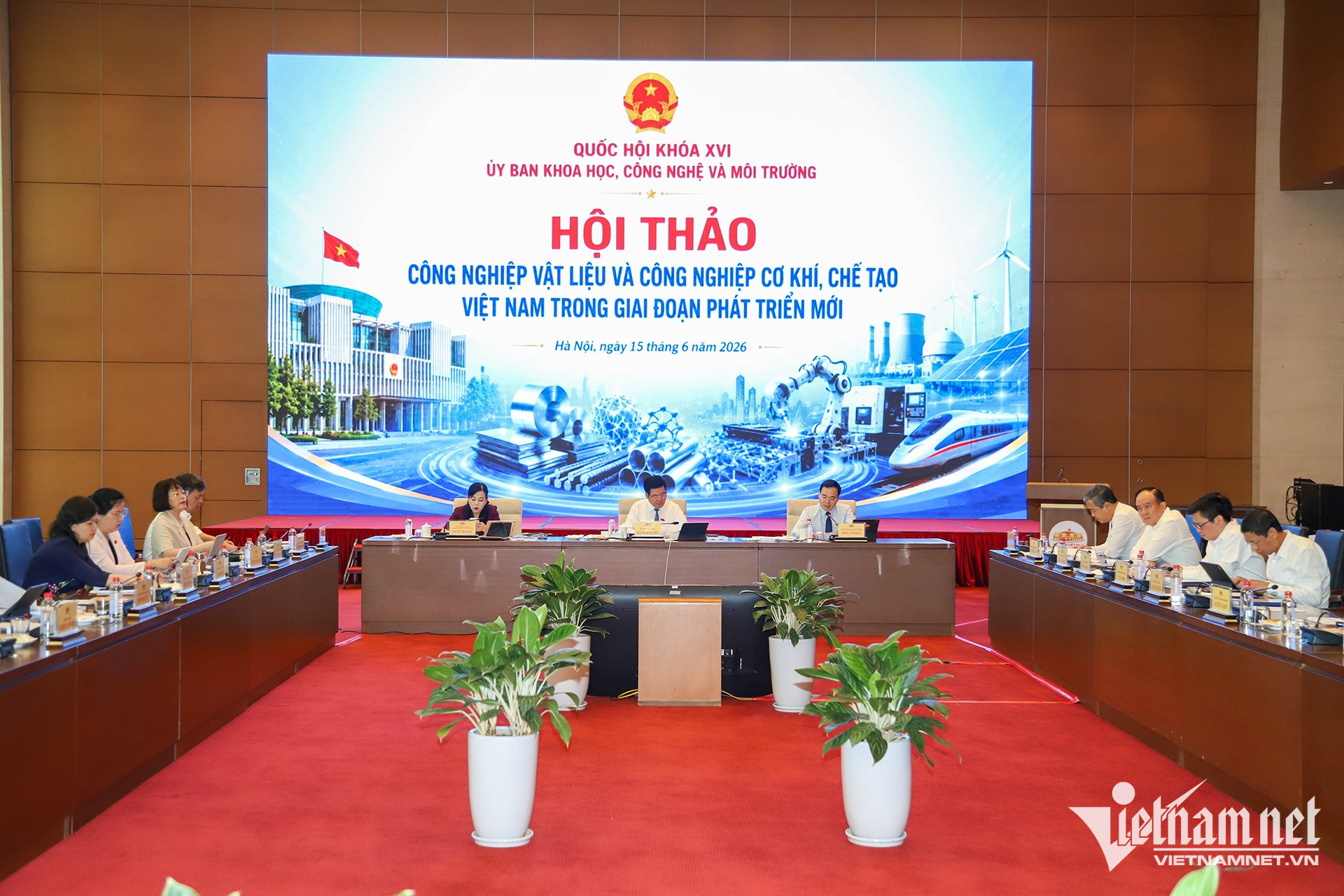
Vietnam's National Assembly Committee for Science, Technology and Environment on June 15 held a workshop on the development of the country's materials industry and mechanical manufacturing sector in a new stage of growth.
The event aimed to provide a comprehensive assessment of the current state of Vietnam's materials and manufacturing industries, identify obstacles and bottlenecks, and discuss policy directions, legal reforms and institutional mechanisms needed to strengthen two sectors considered fundamental pillars of the national economy.
Strategic industries at the foundation of economic growth
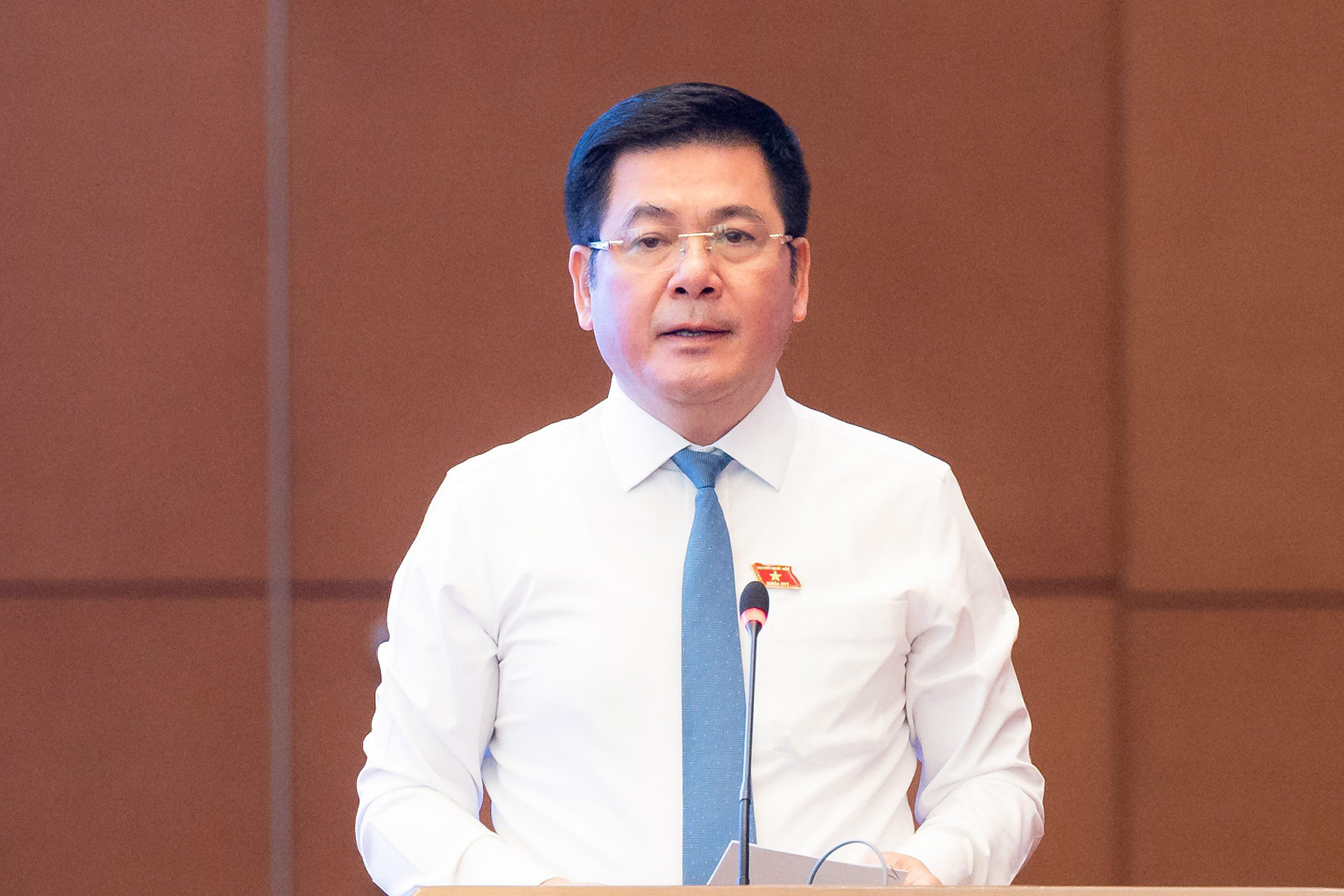
Speaking at the opening session, Vice Chairman of the National Assembly Nguyen Hong Dien described the materials industry and mechanical manufacturing sector as "the foundation of national industry."
He said these sectors underpin industrialisation, modernisation, technological self-reliance and production autonomy, while serving as essential inputs for strategic technologies and an independent, resilient economy.
Despite recent achievements, Dien acknowledged that Vietnam still faces significant limitations, particularly in its ability to independently produce strategic materials, high-tech equipment and core technologies.
He recalled a May 21 working session during which General Secretary and State President To Lam emphasised that the development of the materials industry should be focused rather than broad-based.
According to Dien, the country's top leader identified three priority groups for development: basic materials, strategic materials and future materials.
National leaders have also stressed the need to shift from exporting raw resources toward deep processing, mastering core technologies, increasing value-added production and building an industry driven by science, technology, high-quality human resources and capable national enterprises.
Dien said Vietnam needs a new understanding of both the materials and manufacturing industries, viewing them as foundational sectors that support the entire economy.
He highlighted the importance of prioritising materials and manufacturing products serving semiconductors, artificial intelligence, robotics, new energy, defence, high-speed rail, nuclear power and other strategic technologies.
Questions over localisation and technology mastery
A key topic of discussion was how Vietnam can increase its participation in large-scale national projects.
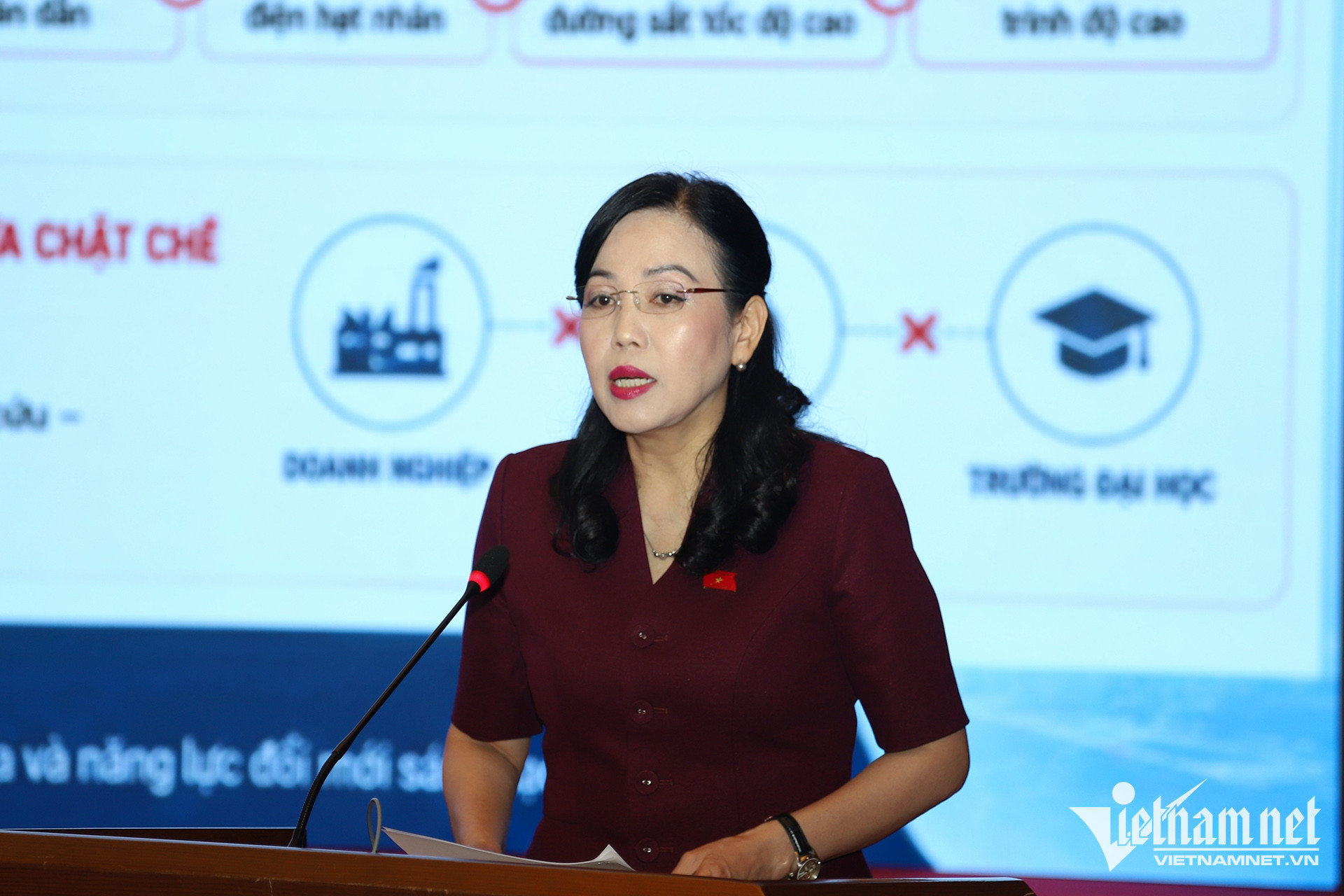
Nguyen Thanh Hai, Chairwoman of the National Assembly Committee for Science, Technology and Environment, noted that several strategic programmes are creating entirely new demands for materials and manufacturing industries.
She pointed to the planned North-South high-speed railway, describing it as not only the largest transport project in Vietnam's history but also a major opportunity to upgrade the country's industrial capabilities.
The project will require high-grade rail steel, specialised bridge steel, high-performance concrete, vibration-reduction materials, electrification systems, automated signalling technologies and a wide range of precision-engineered components.
"The question is how deeply Vietnam can participate in the value chain of these projects, which stages can be localised, and what preparations are needed to gradually master the technology," Hai said.
Nuclear power raises the bar even higher
According to Hai, nuclear power development presents even greater challenges.
The sector requires strict standards for specialised materials, heat-resistant alloys, radiation-shielding materials and other advanced engineering products.
Drawing on international experience, she noted that nuclear energy programmes often serve as powerful catalysts for the development of metallurgy and precision engineering industries.
Vietnam is also seeking a stronger position within the global semiconductor value chain.
However, Hai stressed that semiconductor development extends beyond chip design and attracting foreign investment.
Achieving meaningful participation will require the ability to develop advanced materials, semiconductor substrates, chip packaging materials and equipment used in semiconductor manufacturing.
"This is an area where Vietnam needs a long-term investment strategy," she said.
Addressing critical bottlenecks
The committee chairwoman warned that global competition for strategic industries is intensifying.
Materials used in artificial intelligence, robotics, renewable energy, defence, aerospace, quantum technologies and digital industries are increasingly becoming decisive factors in national competitiveness.
She identified several major obstacles facing Vietnam, including the absence of a comprehensive national strategy for the materials industry, fragmented and inconsistent policies, a shortage of leading enterprises and an insufficient supply of highly skilled workers.
Hai also pointed to the lack of effective incentives for attracting top talent.
Another challenge is the weak connection between scientific research and commercial production, which has created a significant gap in the commercialisation of research outcomes.
Participants at the workshop agreed that strengthening the materials and manufacturing sectors will be essential if Vietnam hopes to achieve greater technological independence and participate more deeply in strategic global supply chains.
Tran Thuong
.svg)
