 Vietnamnet.vn

 Podcast



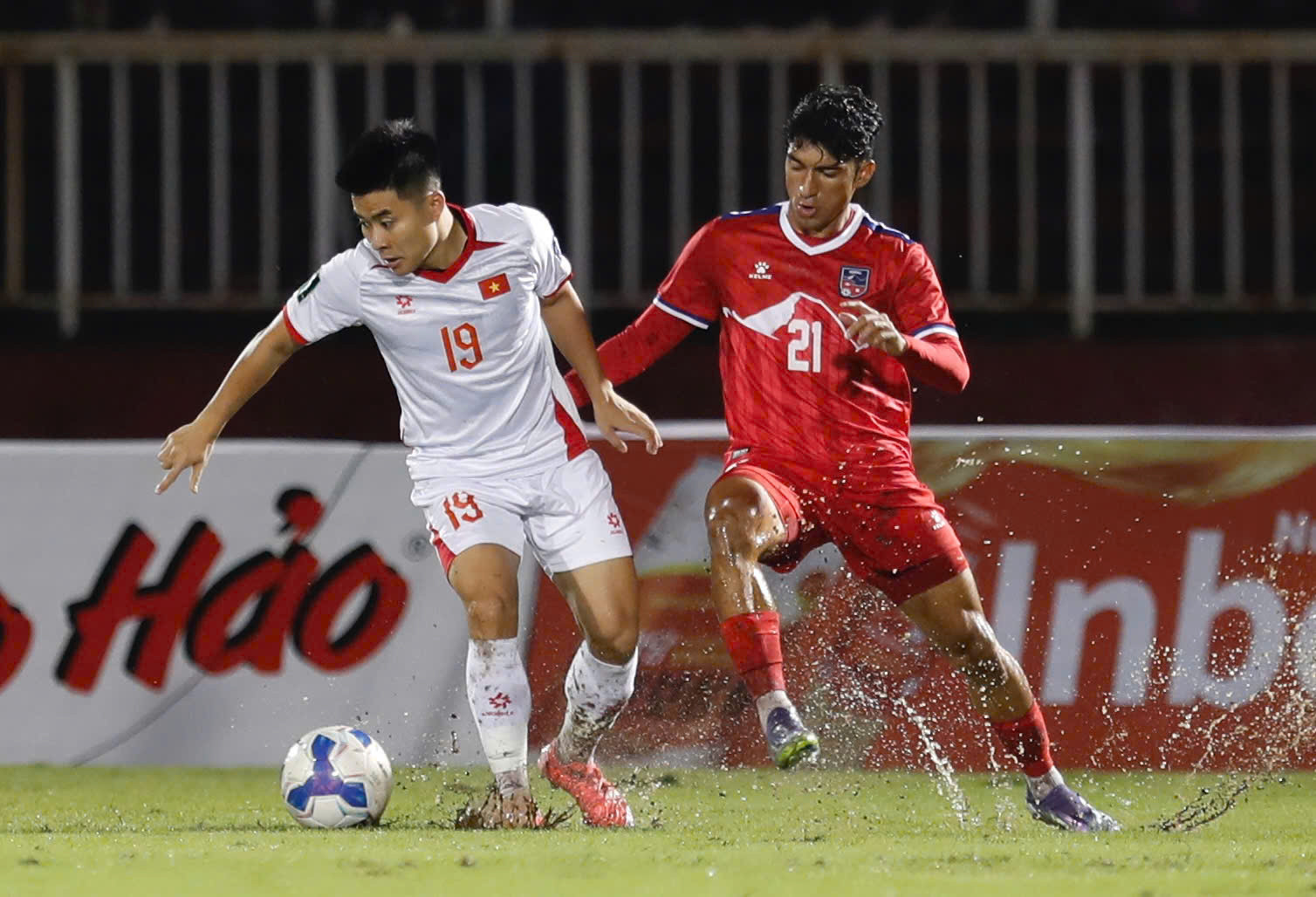
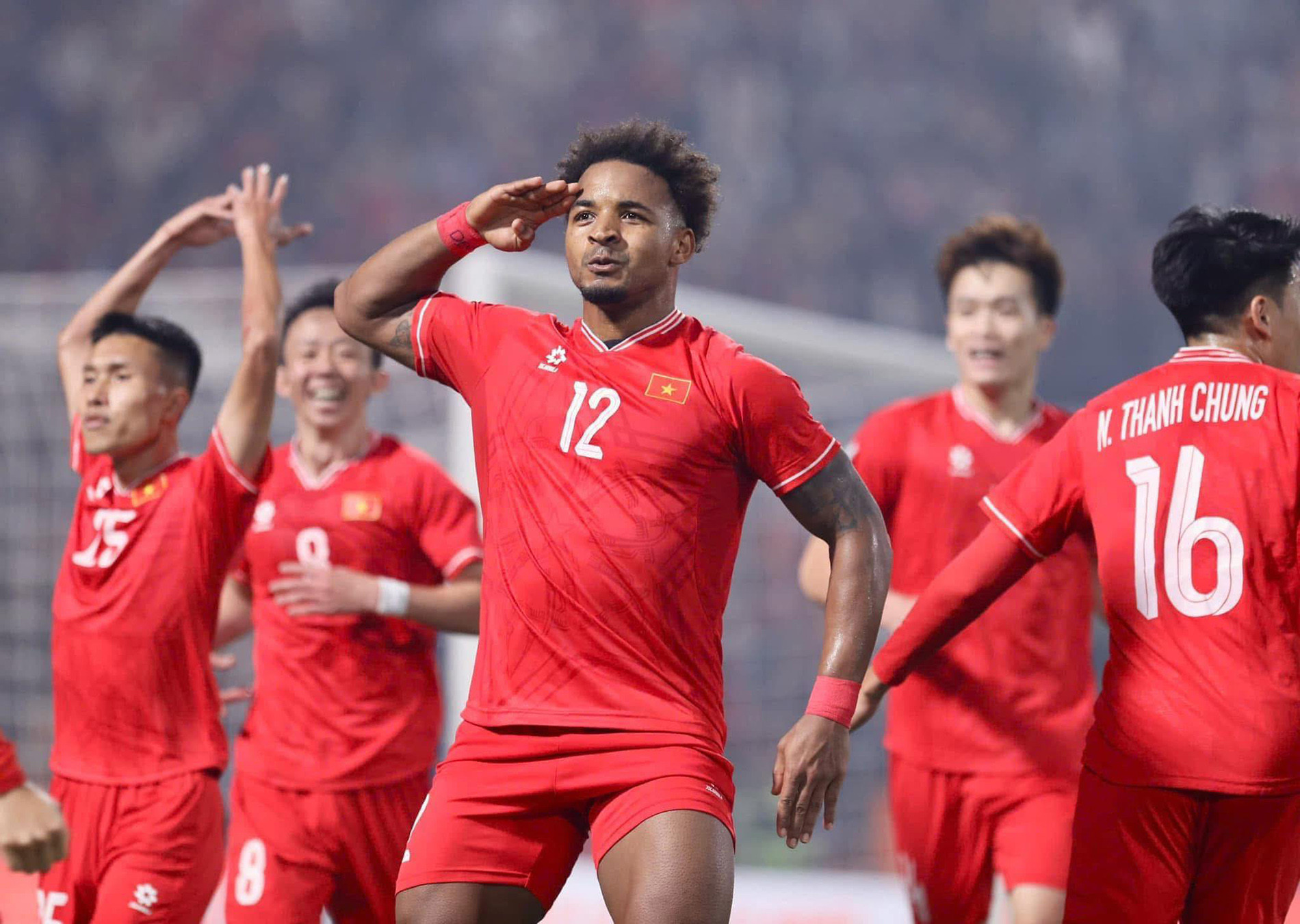
A deeper look into the squad reveals that this desire for naturalized players also stems from a more pressing issue: motivation. Many of the current core players come from the country’s "golden generation," who have already achieved significant success in both accolades and financial security, leading to a noticeable drop in competitive drive.
Moreover, the lack of true challengers for starting positions has fostered complacency, weakening the competitive spirit within the team. This was especially evident during recent training camps and the matches against Nepal.
Meanwhile, younger players promoted from the U23 team have had limited opportunities to prove themselves and currently lack the capacity to carry the team. This makes the recruitment and deployment of naturalized players even more urgent.
While naturalization is by no means a long-term or sustainable solution for Vietnamese football, the foundation still lies in youth training and the development of a structured, scientific roadmap for future growth.
That said, under the current circumstances, bringing in naturalized players may act as a necessary "remedy" to immediately fill gaps in quality. More importantly, their presence could spark a revolution in internal competition within the squad.
The arrival of newcomers hungry to prove themselves will create invisible pressure, forcing the veterans to step out of their comfort zones and give their all-or risk being replaced. This competitive tension is exactly what’s needed to reignite the fading ambition within the Vietnamese team.
Naturalization may not be a permanent fix, but during this transitional phase while waiting for the next generation to mature, it remains the most practical approach to maintaining competitiveness and reviving the team’s spirit, which has noticeably waned in recent years.
Duy Nguyen
.svg)
