 Vietnamnet.vn

 Podcast



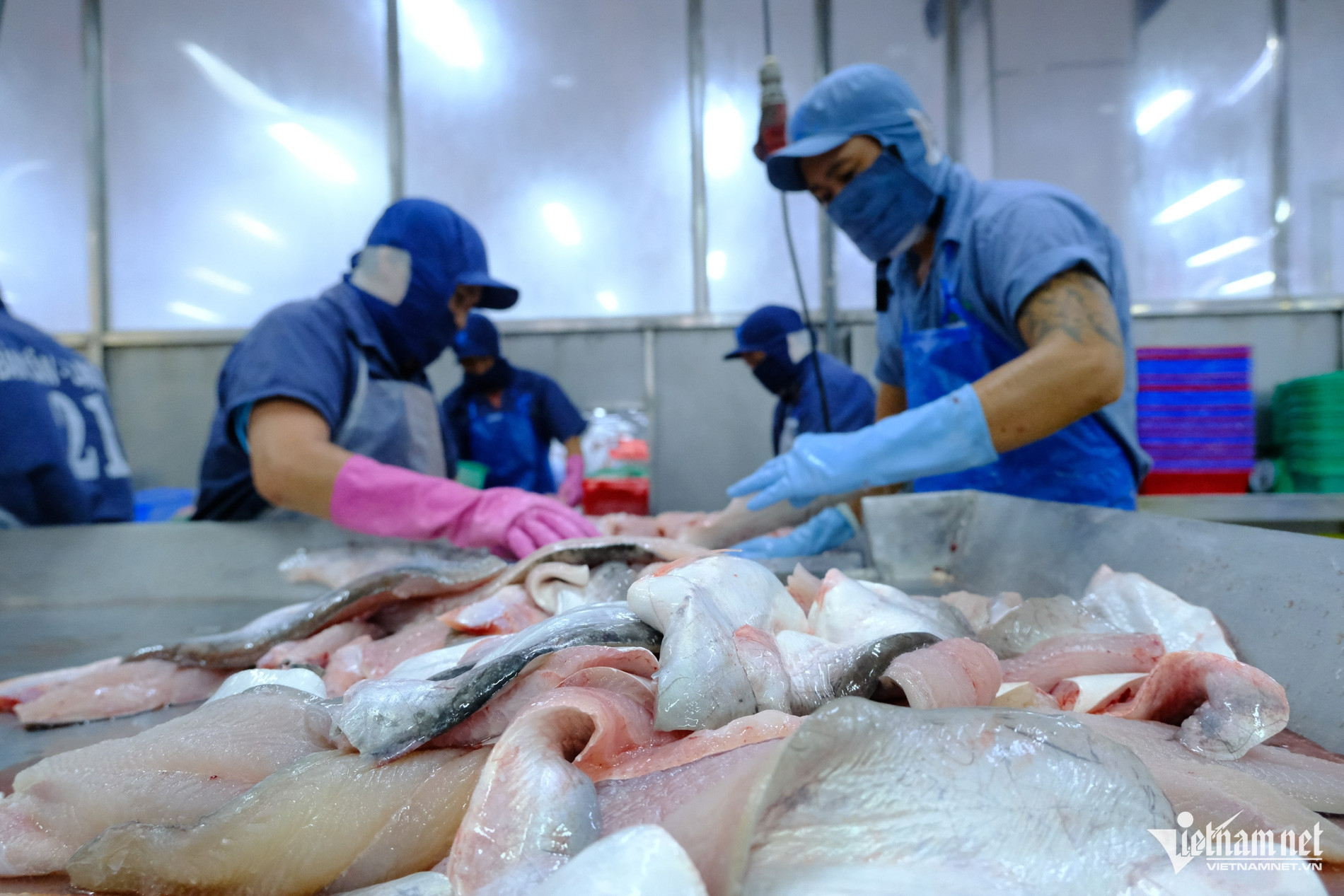
On August 6, VASEP reported that in the first half of 2025, Vietnam’s seafood sector showed strong signs of recovery with export revenue hitting USD 5.25 billion, up 19.5% year-on-year. Total seafood output reached around 4.5 million tons, a 3.1% increase, including 1.97 million tons from wild-caught sources and 2.57 million tons from aquaculture.
In July alone, seafood exports were valued at approximately USD 971 million, marking a 6.1% year-on-year rise. Cumulatively, over the first seven months, the seafood sector recorded export earnings of USD 6.22 billion, maintaining steady growth momentum.
Shrimp continues to be the sector’s leading export product, bringing in USD 2.49 billion in the first seven months - a 23.6% increase over the same period last year. However, the U.S. market, which contributes a significant share, has become increasingly challenging due to new tariff policies. If the proposed 20% countervailing duty is enacted by the U.S., Vietnam’s shrimp exports will lose competitive edge against exporters from Ecuador, Indonesia, and the Philippines. Moreover, if the current anti-dumping tariff rate of 33.29% is upheld, Vietnamese shrimp may effectively be shut out of the U.S. market.
Projections suggest that if Vietnamese enterprises can capitalize on demand from Asian countries, the EU, and members of the Comprehensive and Progressive Agreement for Trans-Pacific Partnership (CPTPP), shrimp exports could reach USD 3.6–3.8 billion in 2025.
In the latter half of 2025, seafood exports will likely encounter both opportunities and obstacles. Major challenges include the U.S.’s 20% countervailing tariff - effective from August 7 - which affects key products like shrimp, pangasius, and tuna. Additional risks stem from global geopolitical tensions and supply chain disruptions. Nonetheless, growth prospects remain strong for value-added seafood products, especially as markets like China, ASEAN, and Japan continue to recover. Furthermore, the easing of technical barriers from EU countries and the benefits of trade agreements such as EVFTA, CPTPP, and UKVFTA provide a competitive advantage through lower tariffs.
Despite potential hurdles, if major markets remain favorable, Vietnam’s seafood exports for the entire year could hit USD 9–9.2 billion, a slight decline of nearly 10% compared to 2024. This includes shrimp (USD 3.6–3.8 billion), pangasius (USD 1.8 billion), tuna (USD 850–900 million), and other seafood (nearly USD 3 billion).
To achieve these targets, businesses must stay proactive in responding to market changes, diversify export destinations, invest in advanced processing technology, enhance product quality, and establish stable raw material supply chains.
PV
.svg)
