 Vietnamnet.vn

 Podcast



Plenty of milestones
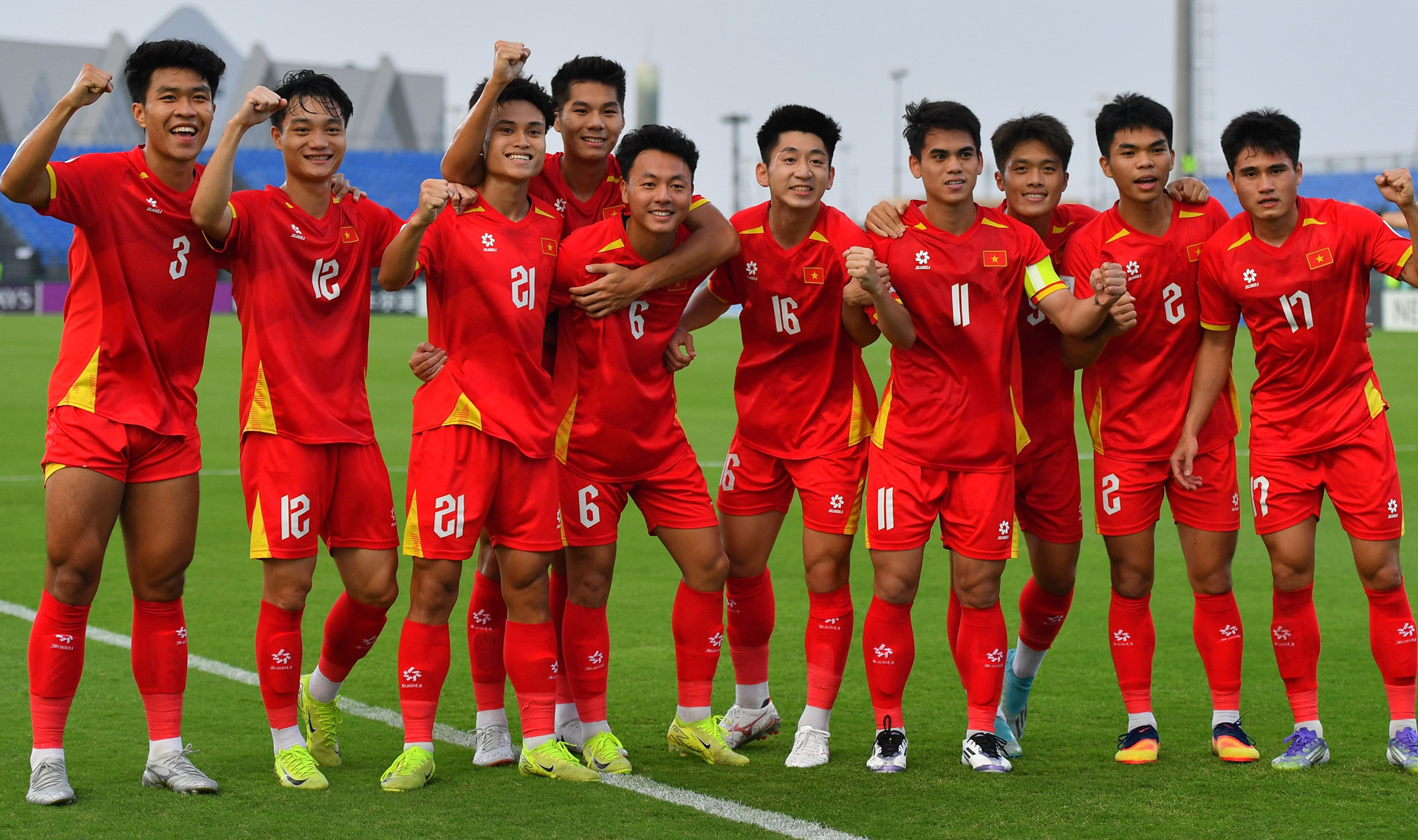
The brightest highlight of Vietnam football in 2025 came from the national teams, particularly U23 Vietnam. This young generation left a powerful impression, both technically and mentally, on the continental stage.
It was not merely about results. The composure and courage U23 Vietnam displayed against strong opponents such as Saudi Arabia, South Korea and Jordan left fans in awe.
U23 Vietnam played a key role in what can be described as a resounding year for the nation’s football.
At the highest level, the Vietnam national team maintained stability with an ASEAN Cup title earlier in the year, while keeping high hopes of securing a place at the 2027 Asian Cup finals.
Another proud landmark saw seven national teams from Vietnam qualify for Asian finals tournaments. The achievement reflects the growing depth of the country’s development system, across men’s and women’s football as well as youth levels. Regular appearances on the continental stage are no longer viewed as isolated feats, but are gradually becoming a new standard for Vietnam football.
Beyond collective success, the U23 generation has introduced standout individuals who give supporters renewed belief in a bright future for the senior team as the older generation approaches its twilight.
Names such as Dinh Bac, Van Khang, Nhat Minh and Hieu Minh are not only hopes for upcoming tournaments, but also foundational pieces for Vietnam football as it sets its sights on greater ambitions.
A touch of disappointment
Yet alongside the achievements at national level, the broader picture of Vietnam football in 2025 still carried darker tones, largely from the domestic league system. Despite significant investment from clubs, V-League stadiums were not as full as expected.
The year also witnessed disappointment as several clubs disappeared from the map.
In the First Division, even on the eve of the new season, organizers were still grappling with the number of participating teams. Several clubs struggled financially and nearly failed to register, including Khanh Hoa and Dong Thap. Such instability has inevitably tarnished the league’s image in the eyes of fans.
Quang Nam, a former V-League champion, decided to withdraw and officially dissolve after narrowly avoiding relegation the previous season. Hoa Binh and Dong Nai were also unable to take part, reducing the First Division to just 12 teams instead of the planned 14 to balance with V-League.
Clubs withdrawing, pulling out midstream or merely surviving season to season not only diminish professional quality, but also raise serious questions about the sustainability of professional football in Vietnam. When the gap between national team success and domestic realities remains wide, the joy feels incomplete.
Closing what can be described as a golden year in terms of achievements, Vietnam football still experienced moments of unease. Beyond the glow of trophies lies a reminder that stronger, more decisive and synchronized investment is essential if the dream of reaching the World Cup is to move closer to reality in the near future.
Duy Nguyen
.svg)
