 Vietnamnet.vn

 Podcast



A delegation from Vietnam’s Ministry of Ethnic and Religious Affairs, led by Minister Nguyen Dinh Khang, held talks with Italy’s Interior Ministry on the morning of Sept. 24 in Rome. The Italian delegation was headed by Undersecretary of State for the Interior Wanda Ferro.
The two sides exchanged experience in state management of ethnic and religious affairs and agreed to advance work on a bilateral memorandum of understanding.
Sharing experience in minority policy
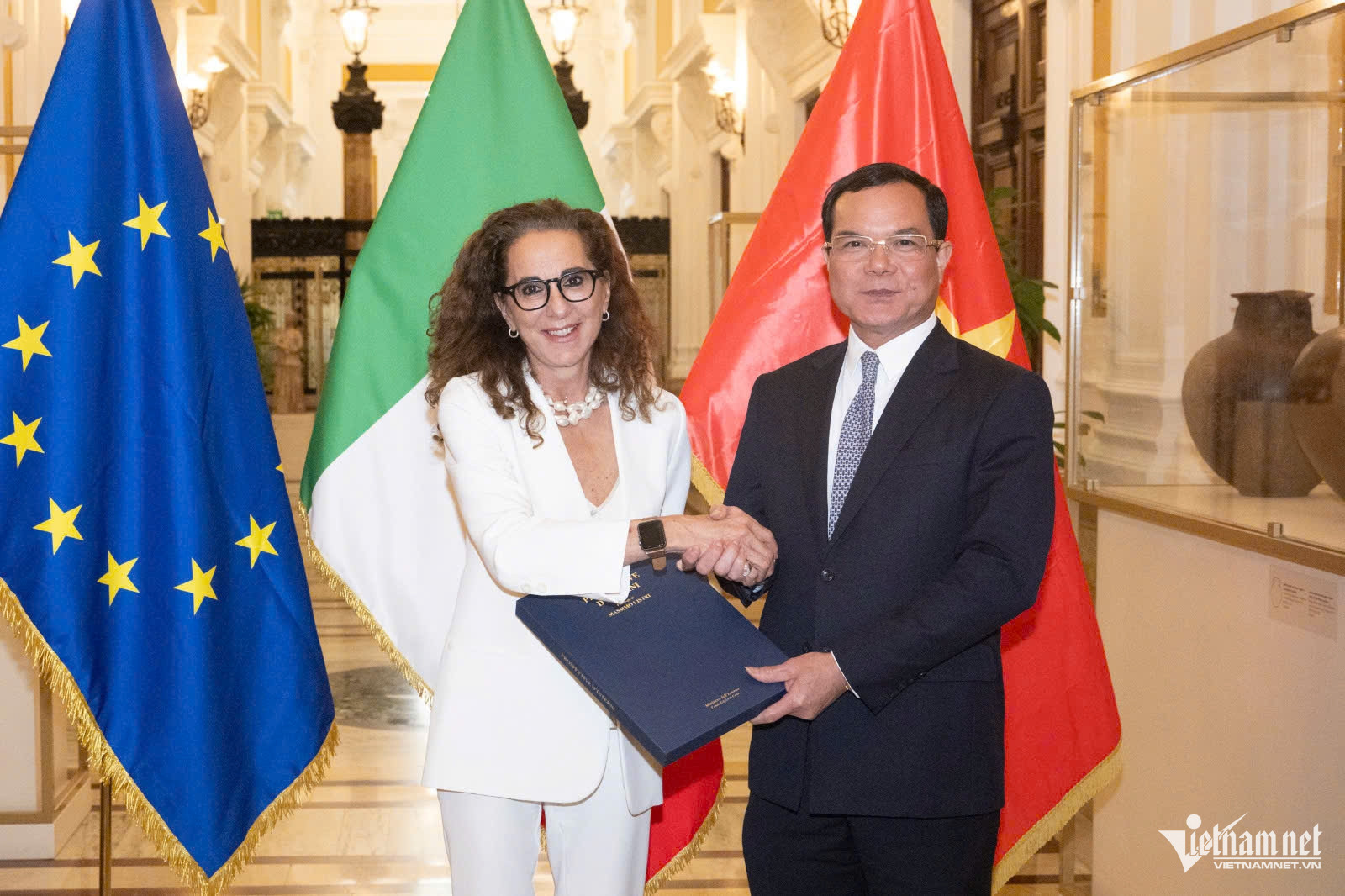
At the meeting, Ferro said Italy’s Interior Ministry plays a leading role in research, coordination and support for government agencies in protecting the specific rights of ethnic minority communities.
She shared Italy’s experience in managing minority affairs, safeguarding freedom of belief and religion, and combating discrimination.
One mechanism highlighted was a permanent working table at the Interior Ministry dedicated to the Slovenian minority. It brings together public authorities, ministries and representatives of the Slovenian community to discuss and address emerging issues.
Ferro also introduced Italy’s Observatory for Security Against Acts of Discrimination, or OSCAD.
The body protects and supports victims, provides training and assistance to police and security forces in handling cases, and monitors, analyzes and compiles statistics on discrimination nationwide.
It also maintains a coordination network with domestic associations and institutions as well as international organizations working in the field.
Ensuring equal rights for religious communities
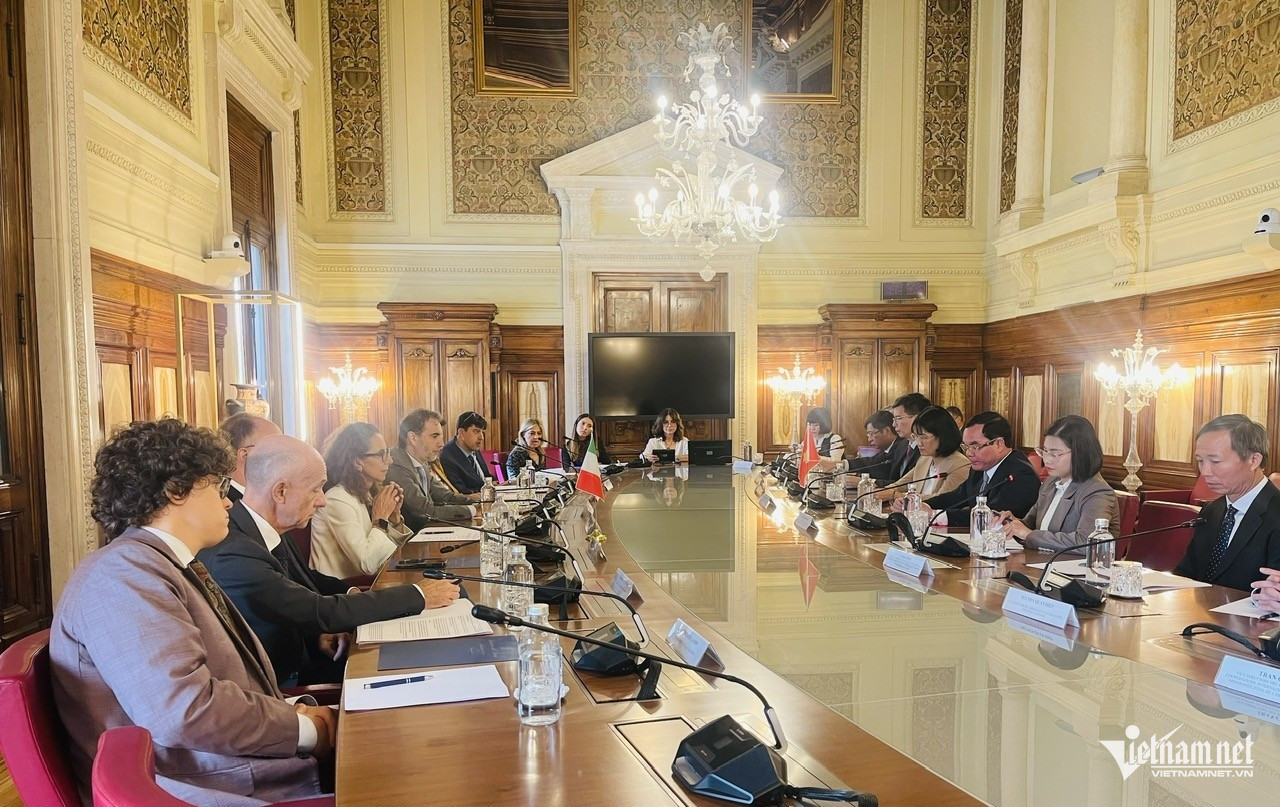
On religious affairs, Ferro said Italy guarantees freedom of religion and worship while maintaining fair and transparent relations with churches and religious communities.
The Interior Ministry directly reviews applications for legal recognition from non-Catholic religious organizations, taking into account their compliance with the law and the purposes of their activities.
Ferro also briefed the Vietnamese delegation on the Council for Relations with Italian Islam, an advisory body to the Interior Ministry that promotes dialogue with experts and Muslim representatives on issues including social integration and the exercise of citizenship rights.
At the local level, prefectures represent the Interior Ministry and the state, providing guidance on procedures for granting legal recognition to places of worship while maintaining relations with religious communities.
Dialogue involving local authorities, police and religious representatives is also used to address practical issues such as community spaces, training, cultural mediation and the integration of younger generations.
Toward a regular cooperation mechanism
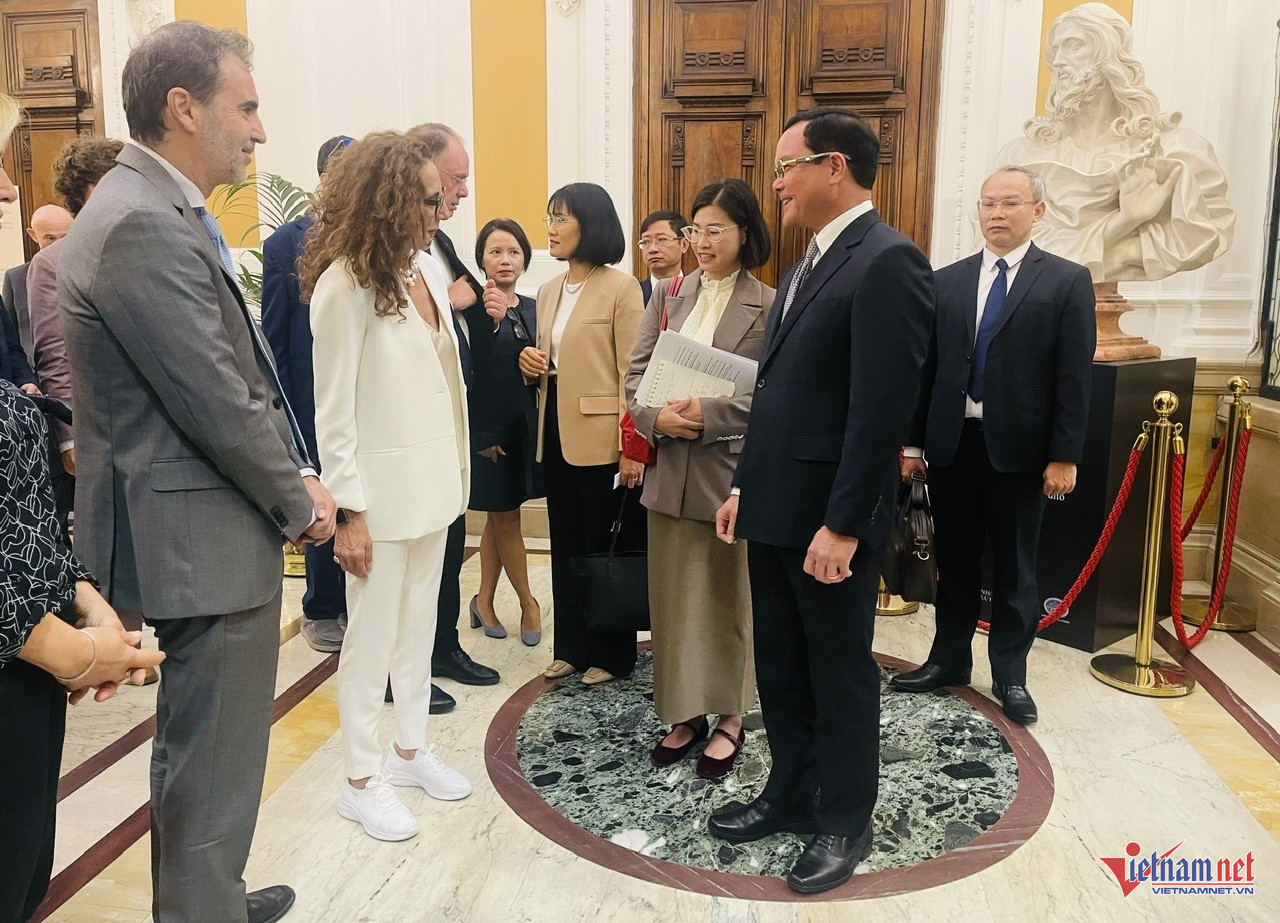
At the meeting, Khang said the visit came as the Vietnam-Italy strategic partnership was developing strongly and comprehensively across areas ranging from politics and diplomacy to trade, people-to-people exchanges, security and defense.
“Within that broader picture, cooperation and the sharing of state management experience between Vietnam’s Ministry of Ethnic and Religious Affairs and the Interior Ministry of the Republic of Italy represent a strategic piece of the relationship, helping strengthen political trust and mutual understanding between the two countries,” Khang said.
Introducing Vietnam’s ethnic and religious landscape, the minister said the country is home to 54 ethnic groups, 53 of which are ethnic minorities.
Vietnam is also a multi-religious country with a diverse spiritual life, including a Catholic community of around 7.8 million followers.
Khang said the Vietnamese state consistently respects and guarantees freedom of belief and religion.
Vietnam’s National Assembly has adopted the Law on Belief and Religion, providing an important legal framework for state management of religious activities, while government policy seeks to ensure equality, solidarity, mutual respect and support for development among ethnic groups.
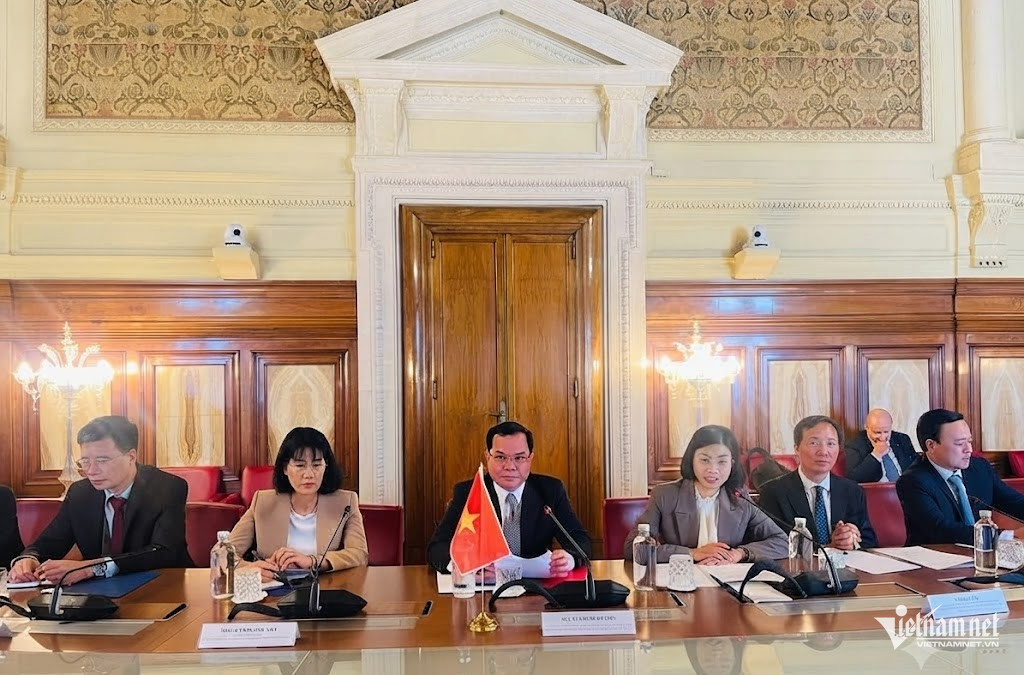
Khang said Italy has a distinctive model of state management in which the Interior Ministry plays a central coordinating role in religious affairs, including the implementation of agreements between the Italian state and the Holy See as well as agreements with other religious communities.
Vietnam’s Ministry of Ethnic and Religious Affairs highly values Italy’s experience in managing ethnic and religious affairs, he said.
Based on similarities in their respective areas of state management, Khang proposed greater exchanges of experience in managing religious activities, preserving heritage and places of worship, and supporting the development of ethnic minority communities.
He also proposed greater sharing of information, data and practical experience.
The minister called for the two sides to study and sign an MoU between Vietnam’s state agency responsible for ethnic and religious affairs and Italy’s Interior Ministry.
He also proposed establishing a joint working group or regular exchange mechanism to turn the areas of cooperation into concrete action.
“Cooperation between Vietnam’s Ministry of Ethnic and Religious Affairs and the Interior Ministry of the Republic of Italy will not only bring practical value to domestic governance in each country, but also make a concrete and meaningful contribution to the strong development of the Vietnam-Italy strategic partnership,” Khang said.
“Vietnam is committed to being a reliable and proactive partner in all areas of cooperation with Italy.”
Moving toward a new cooperation framework
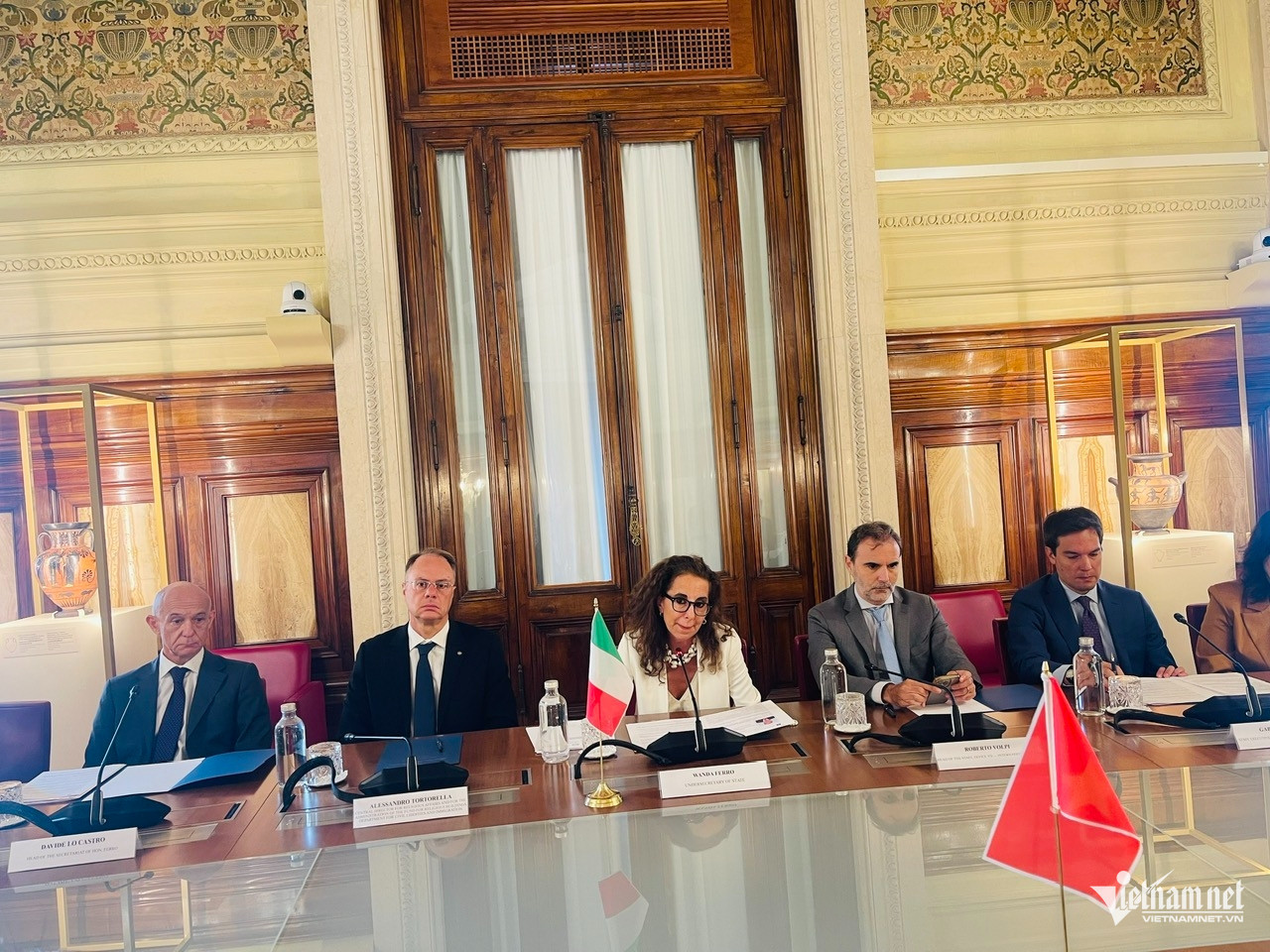
Ferro said she was impressed by Vietnam’s ethnic and religious diversity and acknowledged the Vietnamese government’s efforts in poverty reduction, infrastructure development and public service provision in remote, border and ethnic minority areas.
Regarding the proposed MoU, Ferro expressed strong support, saying it would provide a basis for the two sides to expand exchanges on religious freedom, institutional development, social inclusion and dialogue between authorities and communities.
The two sides also positively assessed educational exchanges and cooperation, noting the growing number of Vietnamese students, clergy and priests studying at Italian universities and educational institutions.
They agreed to coordinate through the two countries’ foreign ministries and embassies on the next steps.
Relevant agencies will discuss the technical content of the MoU with the aim of finalizing and formally signing it during an upcoming visit by leaders of the two countries.
Sy Hao - Bich Dao
.svg)
