 Vietnamnet.vn

 Podcast



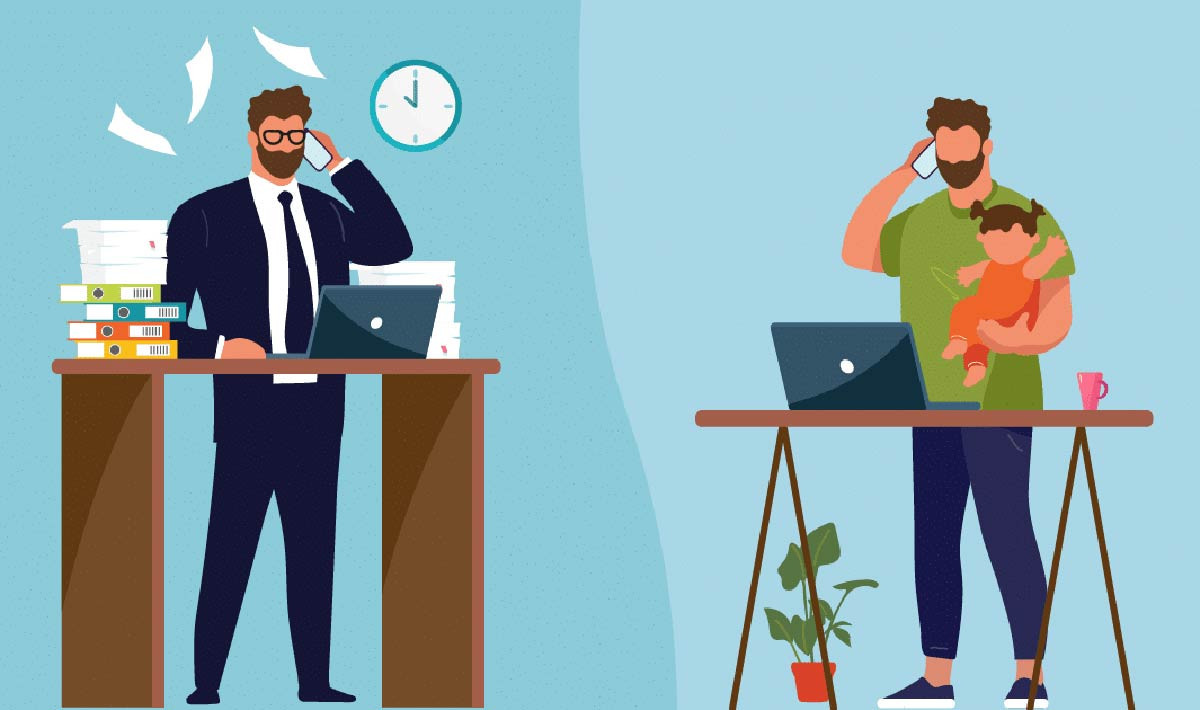
A new global work trend, “work-life integration,” is blurring the boundaries between professional and personal time. Rather than separating work and life, as in the traditional “work-life balance” model, this approach blends them.
Thanh Nguyen, CEO of Anphabe, points to the image of Elon Musk’s son, X Æ A-XII, sitting on his father’s shoulders at a White House press event as a vivid example of this integration. She notes that many companies now allow employees to work from home, combining childcare or personal tasks with job responsibilities, provided both sides agree on boundaries and performance expectations.
Unlike “work-life balance,” which emphasizes fixed hours and clear separation, integration allows flexibility - working at unconventional times, mixing personal errands into the day, and using technology to remain productive from anywhere. The 2024 ManpowerGroup Global Report found 72% of hybrid or fully remote workers were satisfied with work-life balance, compared with 57% of full-time office staff.
Companies like HubSpot offer unlimited leave and flexible hours, while Google provides rest areas and allows employees to spend 20% of work time on personal projects, boosting creativity and retention.
However, experts warn of risks. Pham Duc Tinh, HR Director of Asia Light Co., said remote work can weaken real-world connections, and blurred boundaries may leave employees unable to “switch off,” leading to burnout. Minh Giang Nguyen, CEO of Newing, cautions that without discipline, integration can turn into “work-life invasion,” where work dominates life.
She advises executives to set firm boundaries - like avoiding after-hours emails unless urgent - and encourages younger staff to use integration intentionally, knowing when to focus and when to disconnect. Organizations should foster flexible cultures that still respect personal space, ensuring employees don’t feel pressured to always be online.
The choice isn’t between balance or integration, Nguyen says, but about finding a model that maximizes productivity while safeguarding mental health and life quality. “If leaders are willing to adapt, systems support disciplined flexibility, and employees feel seen, any model can work - and the company remains a place worth staying.”
Tran Chung
.svg)
