 Vietnamnet.vn

 Podcast



As the High Seas Treaty officially takes effect on January 17, 2026, Vietnam stands out as one of the first nations to ratify the agreement, underscoring a bold and proactive commitment to protecting the world’s oceans and unlocking new pathways for sustainable marine development.
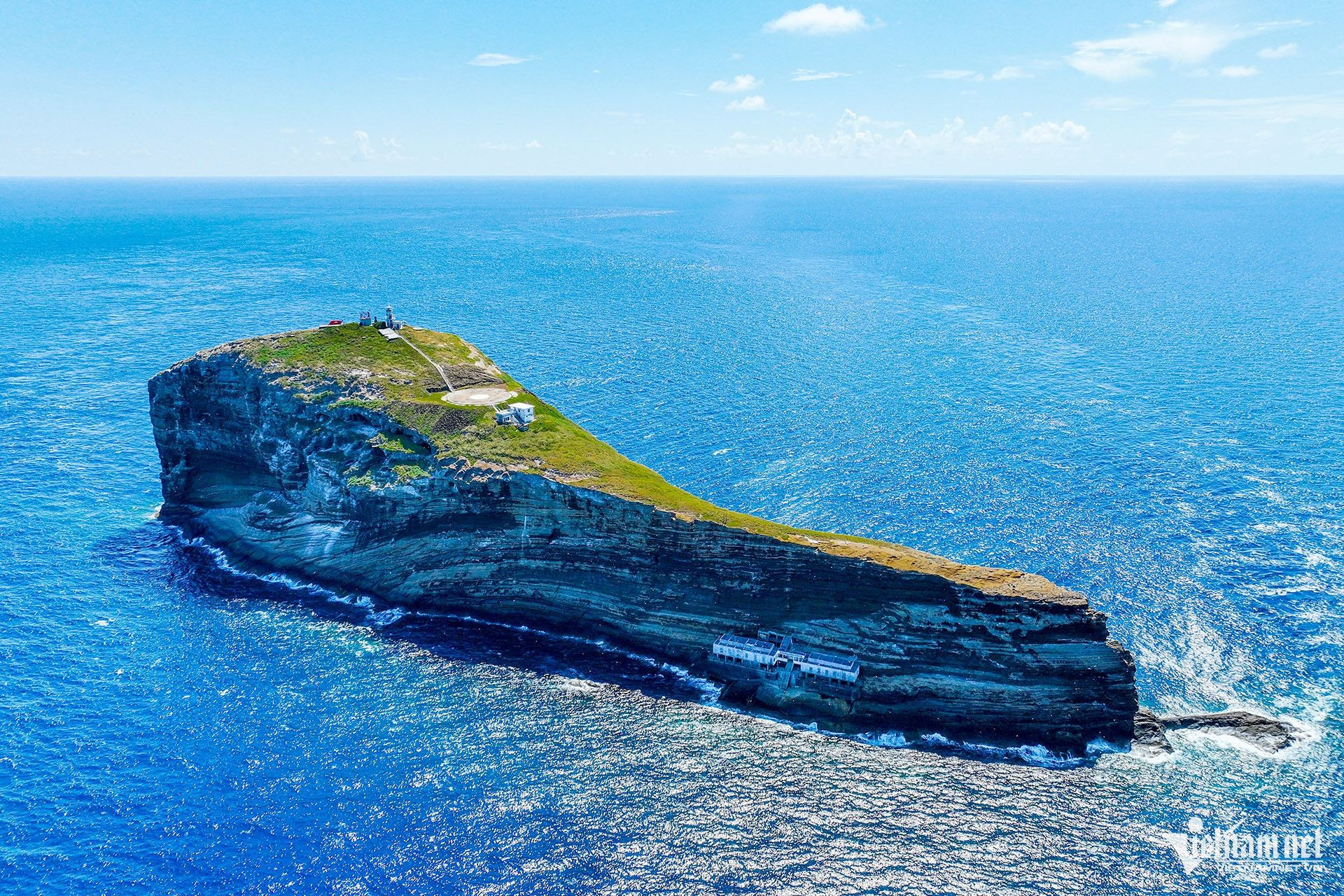
The treaty - formally titled the Agreement under the United Nations Convention on the Law of the Sea (UNCLOS) on the Conservation and Sustainable Use of Marine Biological Diversity of Areas Beyond National Jurisdiction - represents the first comprehensive legal framework to govern activities in international waters, which make up 61% of the ocean and cover 43% of the Earth’s surface.
According to Deputy Minister of Foreign Affairs Nguyen Minh Vu, the treaty marks a historic milestone in ocean governance by officially applying the principle of the “common heritage of humankind” to marine biodiversity found beyond national jurisdictions. This paradigm shift introduces mechanisms for fair benefit-sharing among nations and encourages deeper participation from developing countries in research, conservation, and sustainable use of marine resources.
Global cooperation, local opportunity
To date, 145 countries have signed the agreement, and 81 have become full parties to it. Yet the success of the treaty depends heavily on the engagement of major powers and states with active maritime operations, particularly in high seas research, exploration, and bioprospecting.
For developing nations, the treaty addresses a longstanding challenge: the lack of capacity to participate meaningfully in activities such as environmental impact assessments, marine scientific research, or access to genetic resources. Nguyen Minh Vu emphasized the need for direct support, capacity building, and innovative financial models to bridge these gaps.
For Vietnam, the treaty opens the door to transformative opportunities.
By joining on the first day of the treaty’s signing window and completing its ratification process by June 9, 2025, Vietnam signaled not only its readiness to uphold international commitments, but also its aspiration to shape the future of ocean stewardship.
Vietnam’s strategic gains from the treaty
The High Seas Treaty provides Vietnam with a powerful platform to deepen international partnerships, gain access to cutting-edge scientific knowledge, and adopt advanced marine technologies. This will, in turn, strengthen Vietnam’s capacity in marine research, environmental protection, and sustainable resource management.
Crucially, the agreement creates a pathway for Vietnamese scientists to engage in frontier research and equitable sharing of marine genetic resources - including those from deep-sea zones in international waters. These developments support Vietnam’s broader vision of building a science- and innovation-driven ocean economy.
As a developing nation, Vietnam also brings a valuable perspective to global negotiations. It is well-positioned to voice the concerns of countries with limited capacity and those disproportionately affected by climate change, aligning closely with the principles of equity and responsibility enshrined in UNCLOS.
Implementing the treaty: From commitment to action
Deputy Minister Nguyen Minh Vu emphasized that Vietnam will now focus on reviewing and refining its domestic legal framework to support effective treaty implementation. This includes improving interagency coordination, expanding public-private partnerships, and mobilizing participation from scientists, businesses, and citizens alike.
The goal is not only to meet treaty obligations but to translate them into concrete benefits - enhancing marine resilience, ensuring environmental justice, and enabling sustainable blue growth.
Looking ahead: A leadership role in marine diplomacy
Vietnam’s early participation in the treaty has already positioned it as a responsible and engaged stakeholder in the global marine community. With Prime Minister Pham Minh Chinh attending high-level events to promote the treaty's signing, Vietnam’s leadership in multilateral environmental diplomacy continues to grow.
As the world grapples with mounting climate and ecological challenges, Vietnam’s voice - grounded in both vulnerability and ambition - offers a compelling call for collaborative solutions.
By aligning national priorities with international frameworks, Vietnam is not only safeguarding its own maritime future but also contributing to the shared mission of preserving the oceans as a common heritage for generations to come.
Tran Thuong
.svg)
