 Vietnamnet.vn

 Podcast



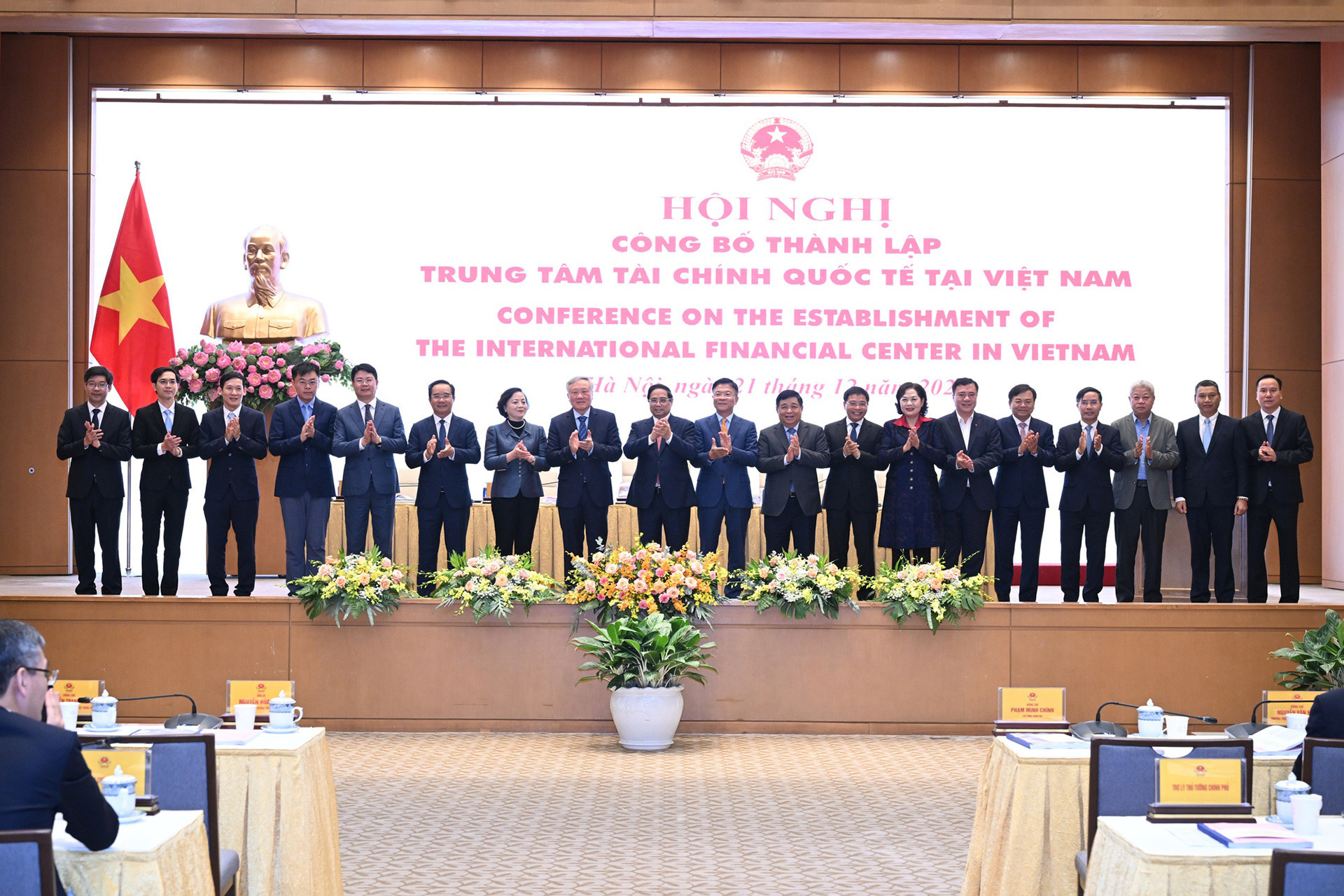
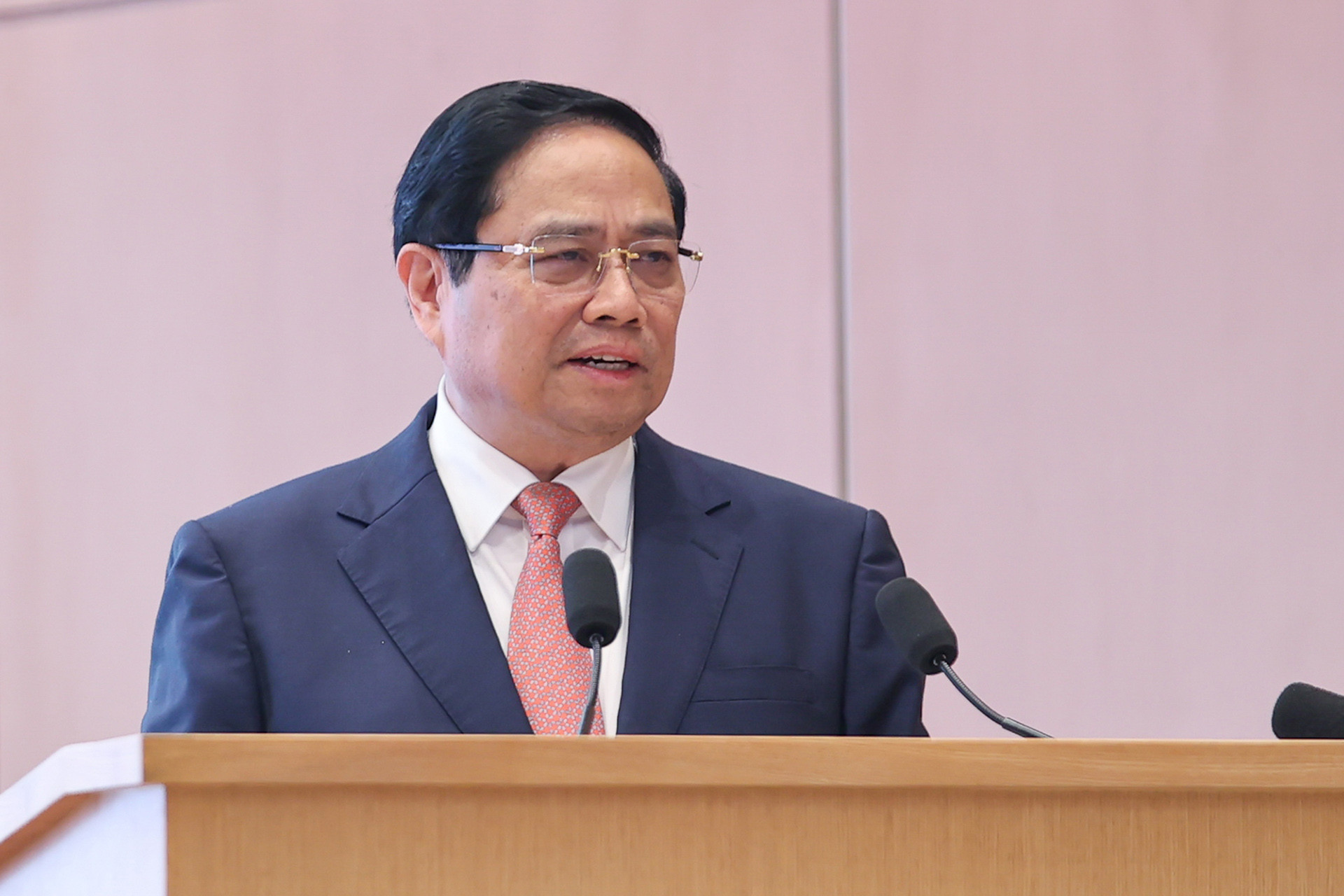
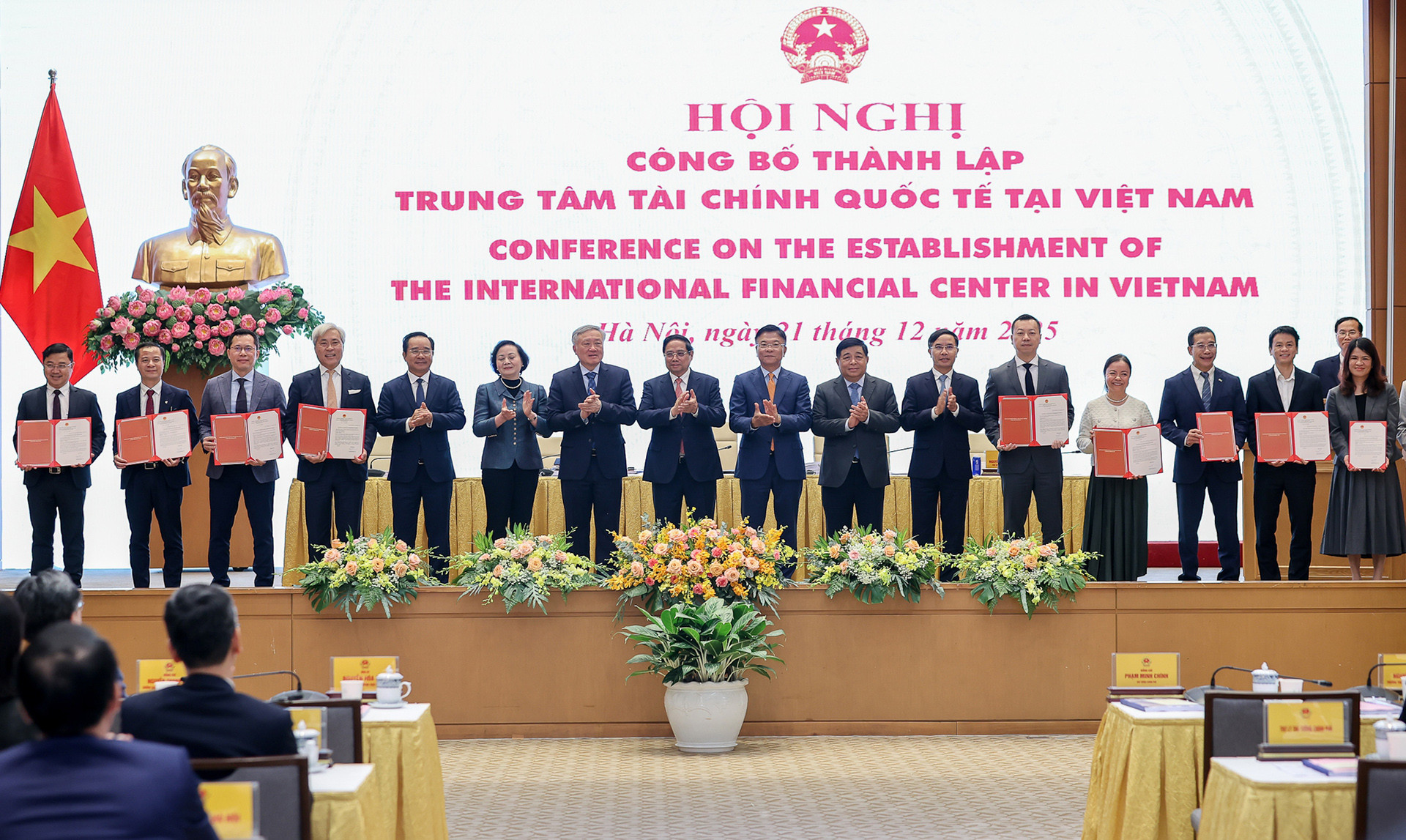

PM Pham Minh Chinh acknowledged that the journey toward the center’s establishment had been long, cautious, and full of debate - but also marked by determination and bold reform-oriented thinking by the Party and State.
A newly issued legal framework is expected to remove long-standing bottlenecks, introducing controlled capital flow liberalization, a regulatory sandbox for new technologies, preferential tax regimes, special visa policies for talent, and efficient logistics for goods circulation.
Avoiding the trap of merely replicating existing models, Vietnam has chosen a distinctive “one center, two destinations” approach, guided by the philosophy of building a smart, digital, and green financial hub.
This dual-city model allows Vietnam to leverage the unique advantages of each location.
Ho Chi Minh City is positioned as the core hub, focusing on capital markets, including stock exchanges, bonds, banking, asset management, and listings. It will serve as the engine connecting global capital flows directly with enterprises.
Meanwhile, Da Nang is designated as a specialized financial center, concentrating on fintech, wealth management, and green finance - acting as a “laboratory” for future financial models.
Vietnam does not intend to compete head-on with other global or regional financial hubs. Rather, this model is designed to serve the country's own needs for sustainable growth while tapping into distinct competitive advantages and learning from international best practices.
Vietnam, once known mainly as a manufacturing hub, is now positioning itself as a key link in the global financial security chain and value ecosystem. “We will shift from being a capital user to a player in managing, directing, and regulating both domestic and foreign capital flows,” said the Prime Minister.
The center is expected to unlock vast financial resources, creating an efficient, large-scale, low-cost funding channel for strategic infrastructure development - without increasing public debt ceilings. It will also serve as a launchpad for Vietnamese enterprises to expand globally.
To ensure the center’s success, the Prime Minister urged ministries, agencies, and local governments - particularly in Ho Chi Minh City and Da Nang - to reform administrative thinking, transitioning from control to facilitation and service. He called for an end to outdated “ask-give” mindsets and bureaucratic red tape.
All investor issues must be resolved swiftly through an on-site “one-stop-shop” system with sufficient authority, and escalated directly to the Prime Minister if needed.
He also called on these cities to develop international-standard ecosystems for healthcare, education, insurance, culture, and sports, so that foreign experts and investors can “settle and thrive” in Vietnam.
To the business community and investors, the Prime Minister sent a powerful message: “Don’t think of yourselves as small, nor make yourselves small in front of giants. Stand on the shoulders of giants to become giants yourselves. Don’t be complacent in success or pessimistic in challenge. Use every opportunity to learn, grow, and expand. This financial center is your springboard to the region and the world.”
Tran Thuong
.svg)
