 Vietnamnet.vn

 Podcast


The ceremony was jointly organized by the Party Central Committee, the National Assembly, the President, the Government and the Central Committee of the Vietnam Fatherland Front to commemorate the first National Cultural Conference, held on November 24, 1946.
Party General Secretary and President To Lam attended and delivered a speech at the event.
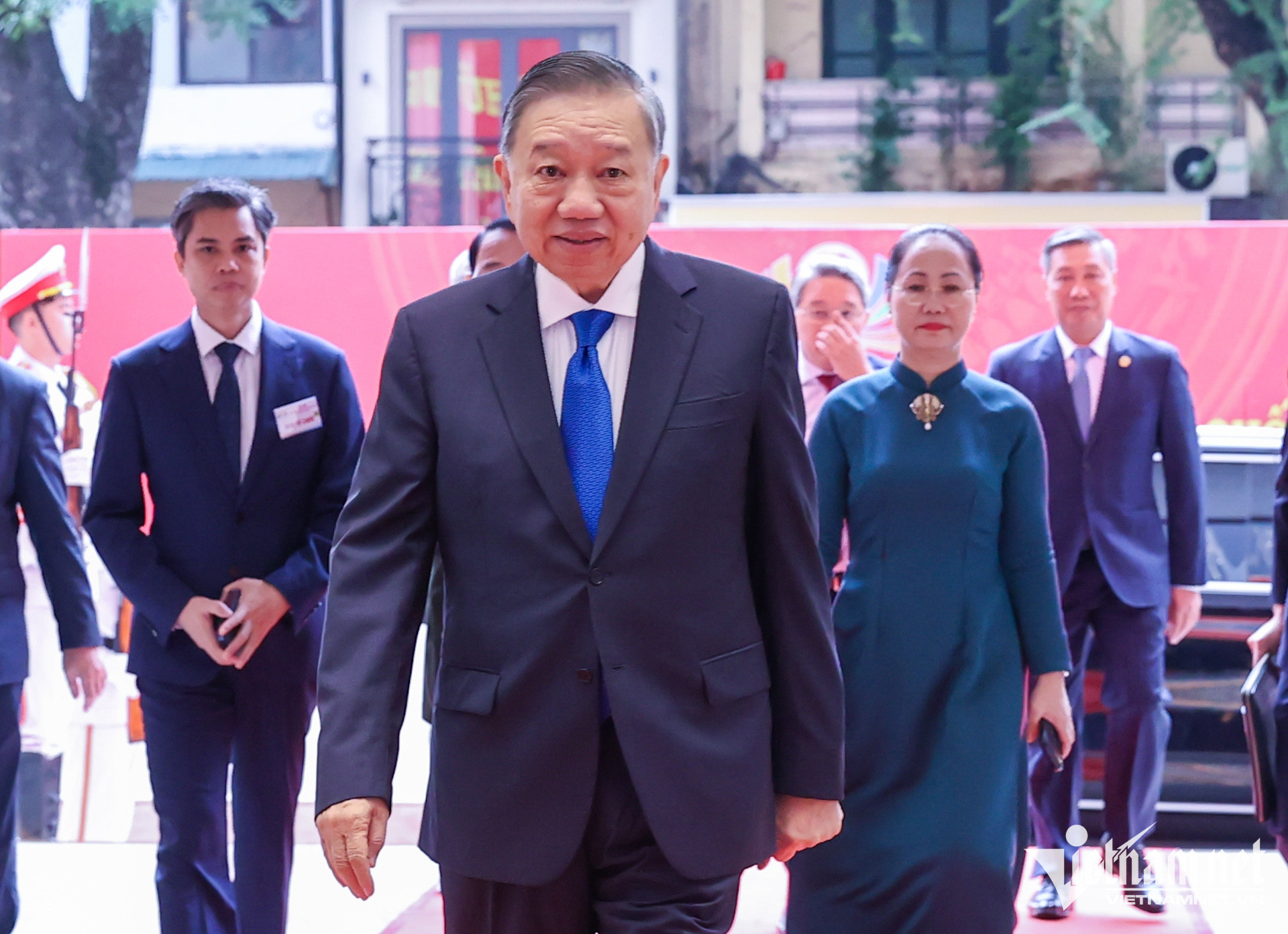
Nearly 700 delegates attended the ceremony, including incumbent and former leaders of the Party, State and Vietnam Fatherland Front; representatives of central agencies, ministries and local authorities; ambassadors, diplomats and representatives of international organizations in Vietnam.
Other participants included revolutionary veterans, Heroic Vietnamese Mothers, Heroes of the People's Armed Forces, Labor Heroes, artists, researchers, intellectuals, religious dignitaries, representatives of art academies, theaters, museums, film studios, businesses, outstanding young people and students, and media organizations.
The ceremony highlighted the historical significance and enduring legacy of the first National Cultural Conference, reaffirming the leadership of the Party and President Ho Chi Minh in the development of Vietnamese culture.
It also sought to promote President Ho Chi Minh's thoughts on culture, particularly his guiding principle that “culture must light the way for the nation.”
The event reaffirmed culture's fundamental role as an intrinsic source of strength and a driving force in national development and defense.
A landmark in Vietnam's cultural development
Held on November 24, 1946, shortly after Vietnam gained independence following the August Revolution of 1945, the first National Cultural Conference marked a turning point in the country's cultural history.
The conference was closely associated with President Ho Chi Minh's vision of culture as an essential component of nation-building and national defense.
Its guiding principles have continued to shape the Party's cultural policies throughout successive periods of Vietnam's revolutionary history.
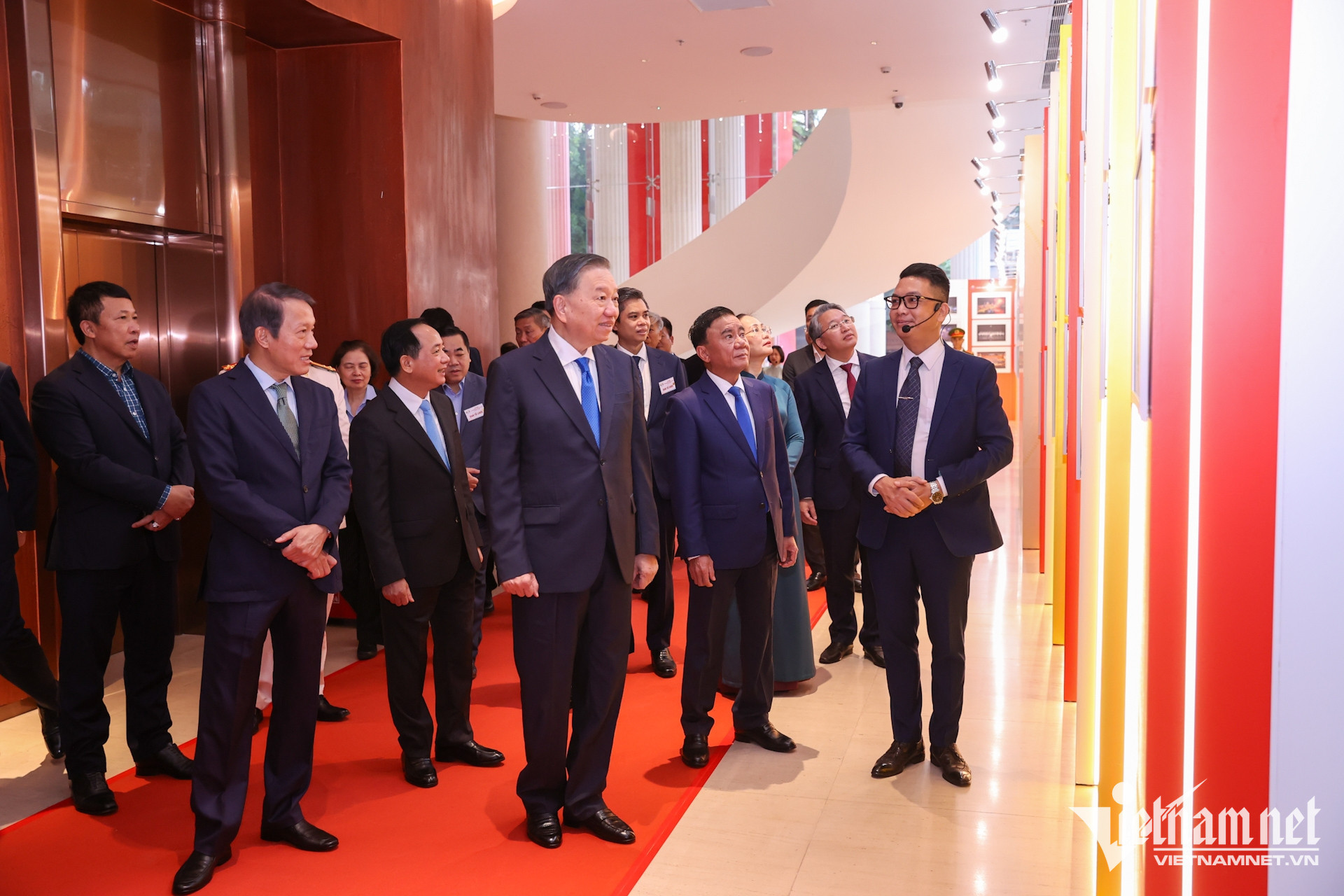
Photos: Pham Hai
As Vietnam enters a new era of development, culture has been given greater prominence in national policy.
In January 2026, the Politburo issued Resolution No. 80 on the development of Vietnamese culture.
On April 24, 2026, the National Assembly adopted Resolution No. 28/2026, designating November 24 as Vietnam Culture Day in recognition of the historic 1946 conference.
The designation underscores the importance of culture in Vietnam's nation-building and development efforts.
At its second session last week, the National Assembly also agreed to make November 24 a paid public holiday for workers.
Culture as a pillar of sustainable development
At the second meeting of the Central Steering Committee for Vietnamese Cultural Development on July 13, 2026, Party General Secretary and President To Lam outlined several fundamental shifts in the country's approach to cultural development.
These included moving from viewing culture as a development sector to recognizing it as the spiritual foundation of society; expanding cultural development beyond traditional settings into both physical and digital spaces; and shifting from a predominantly preservation-oriented approach to one that closely integrates preservation and creativity.
In recent days, localities across Vietnam have organized a range of activities to celebrate Vietnam Culture Day.
The inaugural nationwide celebration is expected to raise awareness and strengthen the responsibility of Party organizations, government authorities, officials, Party members and the wider public regarding the role of culture and people in national development and defense.
It also seeks to reinforce the understanding that cultural and human development provides a fundamental foundation, an important internal resource, a powerful driving force and a key pillar for Vietnam's rapid and sustainable development.
Tran Thuong

