 Vietnamnet.vn

 Podcast



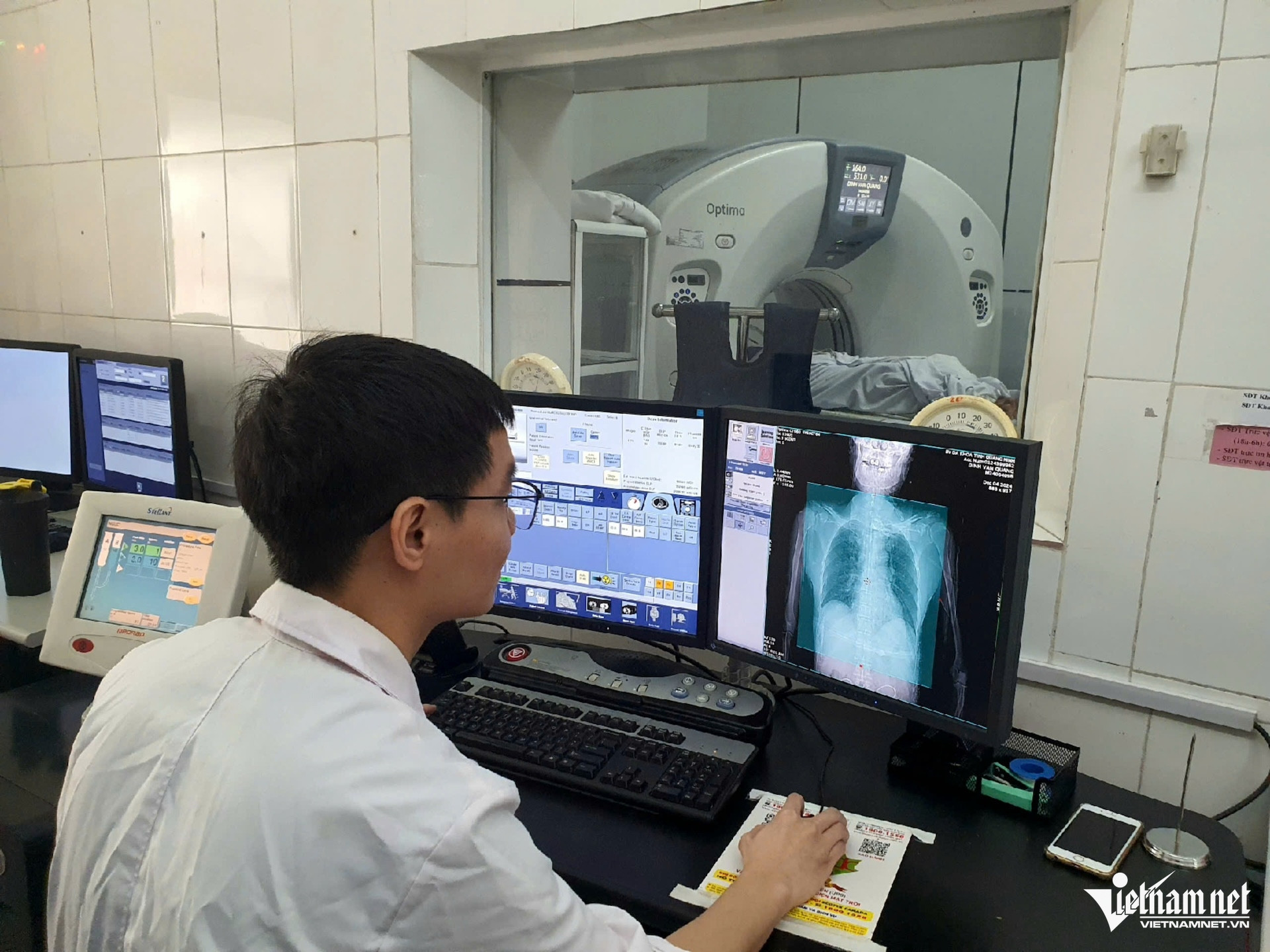
Vietnam is considering allowing hospitals to share and recognize the results of more than 440 laboratory tests and radiology services, a move that could reduce the need for patients to undergo the same procedures again each time they seek treatment at a different medical facility.
The proposal is included in a draft circular issued by the Ministry of Health for public consultation. It sets out a list of laboratory tests and other diagnostic services, along with conditions for using results shared between medical facilities providing services covered by health insurance.
Under the draft, results from more than 440 types of laboratory tests and radiology services would be eligible for sharing. The list has been cut to just over one-third of the size proposed during an earlier consultation in November 2025. Genetic and molecular biology tests, as well as pathology services, have also been removed from the proposed list.
Services covered include biochemistry, microbiology and parasitology, hematology and blood transfusion tests, as well as radiology services such as X-rays, computed tomography (CT) and magnetic resonance imaging (MRI).
Only laboratory tests would be subject to specified time limits for the reuse of shared results. The proposed list of radiology services does not set a maximum validity period.
For biochemistry tests, blood uric acid and total cholesterol results could be reused for up to 168 hours. Results for blood urea, total bilirubin and direct bilirubin would remain valid for up to 24 hours, while HbA1c results could be used for up to 60 days.
During an earlier round of consultation, a number of provincial health departments and hospitals called on the Ministry of Health to specify exactly when these validity periods should begin, to ensure consistency in practice.
The Ha Tinh Department of Health said the regulation should clarify whether the period is calculated from the time a diagnostic service is ordered, when it is performed, when the result is issued, or when a course of treatment ends and the patient is discharged.
The Thai Nguyen Department of Health also noted that the proposed validity periods could, in some cases, differ from existing health insurance reimbursement rules, potentially creating difficulties during implementation.
It cited HbA1c testing as an example. The draft sets a maximum validity period of 60 days, while health insurance reimbursement rules under Circular 39/2024 currently apply a 90-day interval under normal circumstances.
The Department of Medical Service Administration under the Ministry of Health, which is leading the drafting of the circular, said the maximum periods specified in the proposal refer to how long test results remain clinically useful for doctors. Physicians would consider those results alongside changes in a patient’s condition when deciding whether another test is necessary. The time limits are unrelated to health insurance reimbursement rules.
Doctors retain the final say
The sharing of laboratory and other diagnostic results is intended to save patients time and money while reducing unnecessary medical procedures. Under the draft, healthcare professionals would decide whether an existing result can be used or whether a test needs to be repeated, and would be responsible for that decision.
The use of an existing result must take into account the patient’s clinical condition, when the test was performed, the technique used and the characteristics of the particular service.
If the previous medical facility followed technical procedures issued by the Ministry of Health and ensured the quality, accuracy, reliability and timeliness of the result, doctors at the receiving facility would be required to review that result before deciding whether to order the procedure again. If they choose to repeat it, they would have to explain why.
Experts say unnecessary diagnostic testing remains a problem in practice, while results and medical images from previous examinations are sometimes overlooked. One reason is that medical facilities do not always have sufficient confidence in one another’s results; another is the variation in quality standards among laboratories.
Since 2010, the Ministry of Health has been developing a program to strengthen the management capacity of medical laboratories, with the aim of standardizing testing and improving quality control. In 2016, the Government approved a project to strengthen the medical laboratory quality management system for the 2016-2025 period.
Vietnam currently has around 3,000 testing facilities. The Ministry of Health is assessing quality and standardizing laboratories at first-class hospitals and hospitals under its direct management, while provincial health departments are responsible for assessing the remaining facilities.
Meeting recognized laboratory quality standards is one of the factors that can give healthcare providers greater confidence in results produced elsewhere and allow medical facilities to recognize one another’s test results.
Radiology, however, does not yet have a comparable quality management system. The Ministry of Health said it plans to develop a project to establish one.
Vo Thu
.svg)
