 Vietnamnet.vn

 Podcast



Speaking on June 23, representatives of the department said a recent workshop focused on building a road traffic management plan designed to support the long-term goal of a transport network that is "safer, smoother and more civilised".
Addressing the challenge of post-construction road operations
Colonel Pham Quang Huy, deputy director of the Traffic Police Department, said existing legal regulations largely focus on the design and construction of road infrastructure but provide limited guidance on how traffic should be organised and operated once roads are put into service.
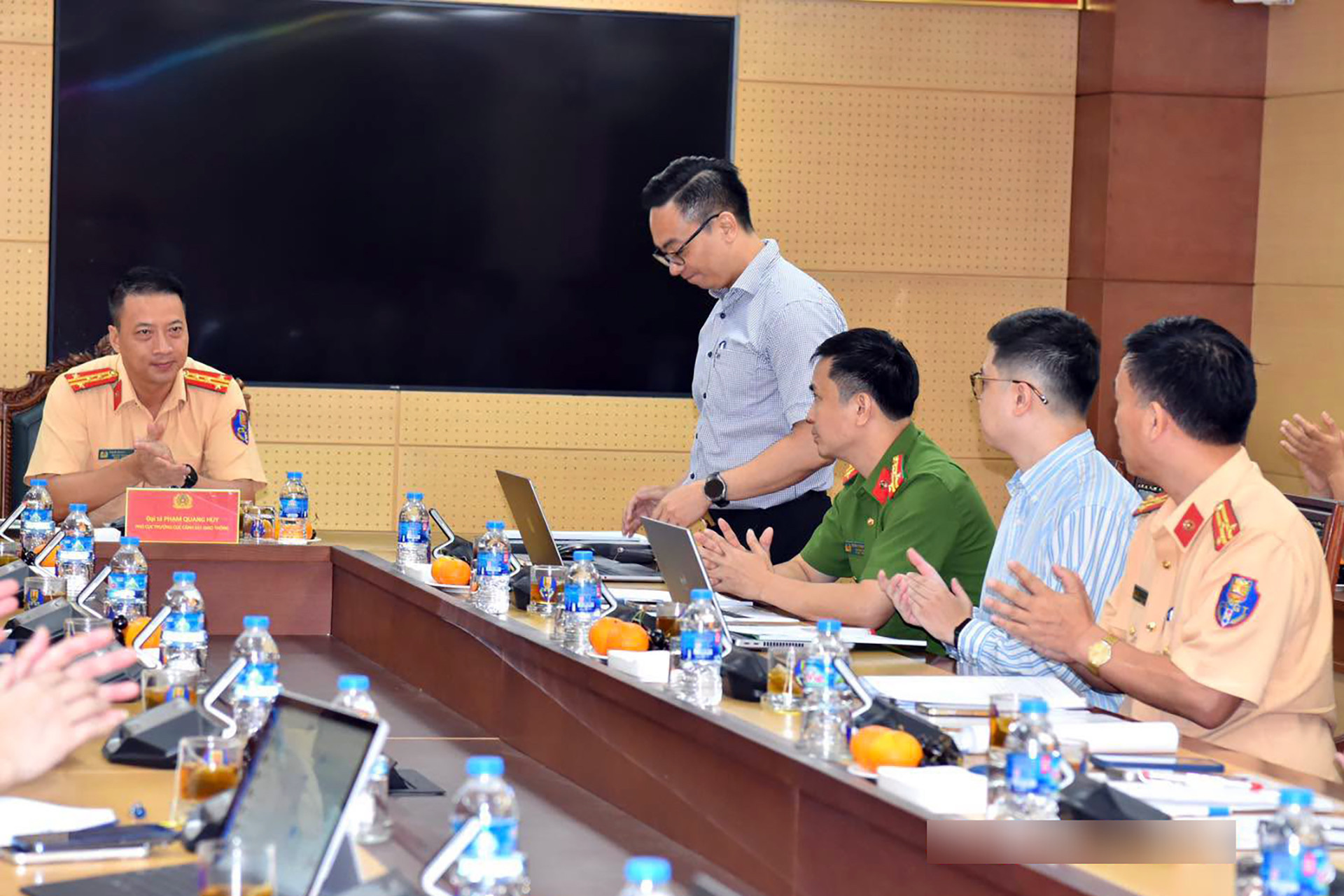
According to Huy, the absence of unified standards governing traffic flow, lane allocation and intersection management has led to operational shortcomings and increased road safety risks.
"The current legal framework answers the question of how to build road infrastructure, but it does not fully address how that infrastructure should be managed and operated after completion," he said.
Huy noted that traffic accidents are influenced not only by driver behaviour but also by factors such as incomplete infrastructure, ineffective traffic organisation that creates conflict points and significant differences in vehicle speeds.
To reduce traffic accidents, he said authorities must implement coordinated solutions involving planning, infrastructure development, protection of traffic safety corridors and improvements to traffic organisation, road signs, lane markings, traffic signals and lighting systems.
These measures, he added, would help create urban roads that are safer, more convenient and better suited to modern transport demands.
The core objective of the new road traffic organisation plan is to translate practical operational requirements into a set of unified standards that can be applied nationwide. Based on these standards, authorities will develop and test model traffic management schemes in selected locations before broader implementation.
Pilot project planned for Phu Quoc
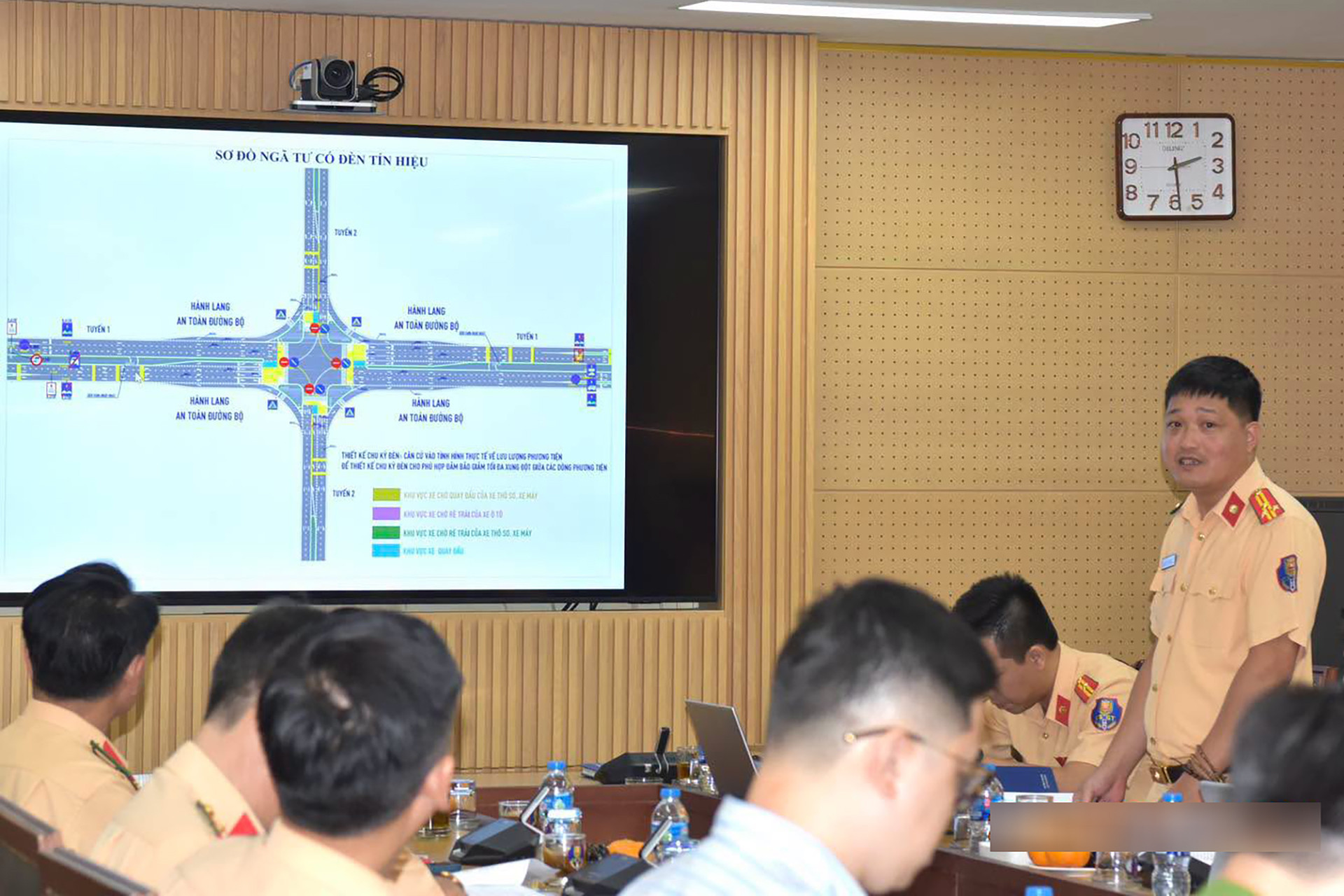
According to Huy, the draft plan has received contributions from experts and researchers from the People's Police Academy, the University of Transport and Communications, Hanoi University of Civil Engineering and traffic police units across the country.
He said establishing a standardised traffic management framework is an urgent requirement that will provide a consistent technical foundation for traffic authorities.
The drafting committee will continue incorporating expert feedback to ensure the final framework remains simple, practical and effective while encouraging stronger compliance with traffic laws among road users.
Once completed, the proposal will be submitted to the director of the Traffic Police Department for approval and implementation.
The first pilot project is expected to take place in Phu Quoc Special Zone, An Giang Province, where authorities will assess its effectiveness before considering wider deployment.
Traffic police leaders hope the initiative will mark a significant step forward in traffic management, helping create safer urban roads while addressing long-standing problems associated with mixed traffic conditions.
The draft framework consists of five chapters and 18 sections, covering areas ranging from planning and technical design to the integration of intelligent transport systems (ITS) data.
Several key principles are proposed.
Safety takes top priority, with every traffic management measure required to place the protection of road users first.
The framework also seeks to eliminate mixed traffic by using medians and lane markings to separate cars from motorcycles and non-motorised vehicles, thereby improving traffic flow and road capacity.
Another proposal would change how drivers approach intersections. Instead of simply slowing down and observing, vehicles entering from non-priority roads would be required to stop, assess conditions and proceed only when safe.
The draft also introduces technical measures including the underground installation of utility infrastructure such as power and telecommunications cables to improve visibility, the redesign of sidewalks under two-zone and three-zone models, and the synchronisation of road traffic signals with railway warning systems.
Dinh Hieu
.svg)
