 Vietnamnet.vn

 Podcast



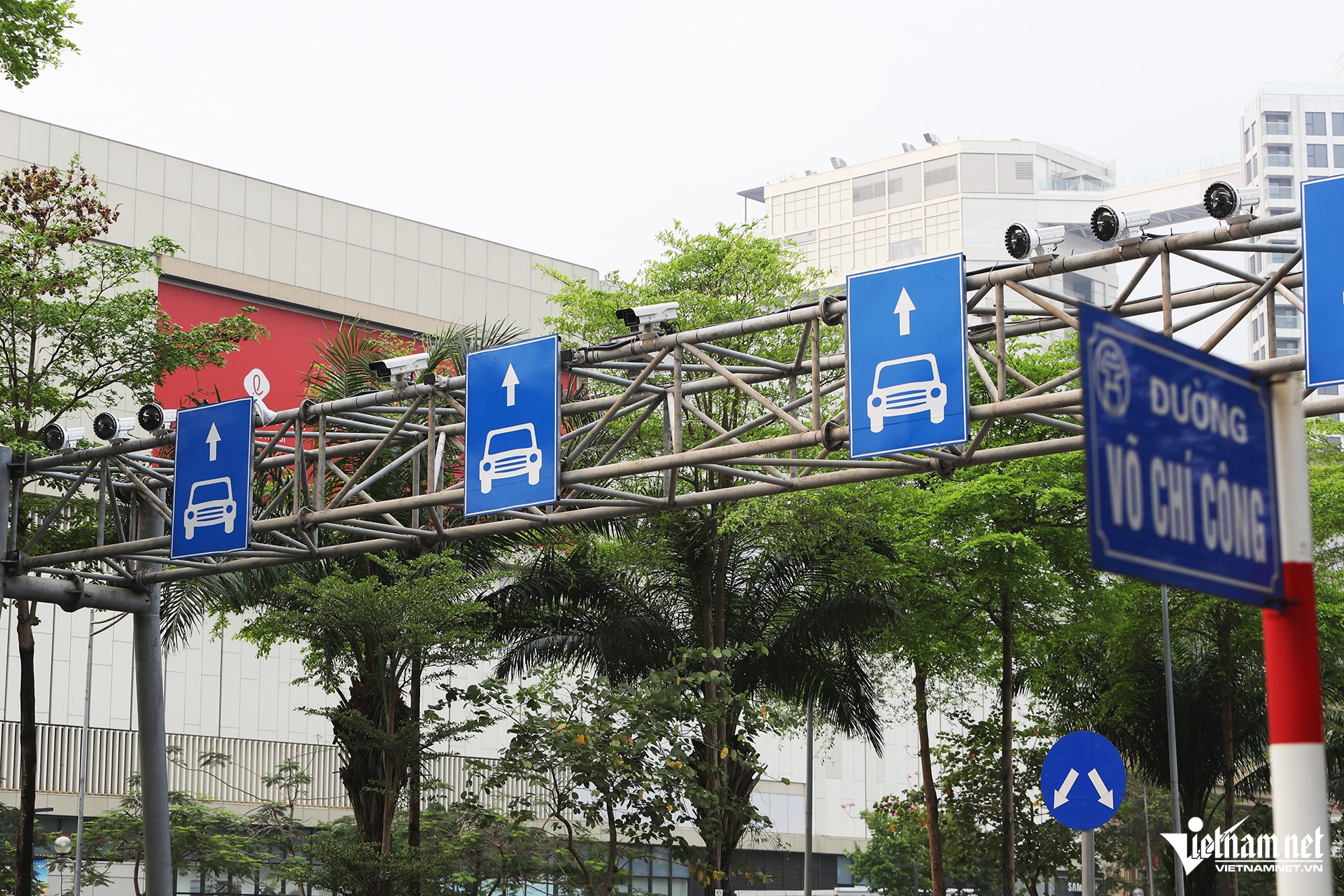
The proposal is part of a draft circular amending and supplementing provisions under Circular No. 62/2024, which sets national technical standards for road traffic surveillance systems, driver monitoring devices and traffic command centers. The draft, titled QCVN 05:2026/BCA, is currently open for public consultation.
Unlike earlier systems that focused primarily on speeding and red-light violations, the new AI-powered platform is designed to automatically identify more complex behaviors. These include using a mobile phone while driving, not wearing a seatbelt, riding without a helmet, improper lane changes, reversing or driving against traffic on highways, and even less obvious violations such as illegal U-turns or riding side by side.
Beyond detecting violations, the system can recognize detailed vehicle characteristics, including type, license plate, brand and color. Recorded images and videos are required to capture the moments before, during and after an incident, ensuring a clear and objective evidence trail for automated fines, commonly known as “cold penalties”, while reducing disputes.
Regional servers and upgraded infrastructure
To handle the vast amount of data generated by camera networks, the draft introduces the concept of “regional server clusters”. These units would be installed at commune-level police offices or along key routes, allowing data to be processed and analyzed locally before being transmitted to central systems.
For older cameras that lack built-in AI capabilities, the proposal outlines the use of intermediary devices equipped with artificial intelligence. This approach allows existing infrastructure to be retained while still achieving the performance of modern smart systems.
The draft also restructures the traffic command center model into a two-tier system, consisting of national-level centers and provincial or municipal centers. These facilities are designed to operate continuously, 24 hours a day, seven days a week, supported by advanced cybersecurity technologies such as Security Operations Centers (SOC) and Security Information and Event Management (SIEM) systems.
For the first time, detailed requirements for public service areas and citizen reception spaces are included in the standards, aiming to make administrative procedures such as vehicle registration, fine payment and license plate auctions more accessible.
According to the drafting agency, the application of these new standards is expected to reduce traffic accidents by improving compliance through deterrence, while also easing the burden on traffic police.
By relying on AI-driven data, enforcement becomes more consistent and comprehensive, minimizing missed violations and limiting unnecessary disputes between citizens and authorities.
The modernization effort is seen as a key step toward building a digital government and smart urban environment, where traffic management is driven by data and technology.
The draft circular will remain open for public feedback until May 3.
Dinh Hieu
.svg)
