 Vietnamnet.vn

 Podcast



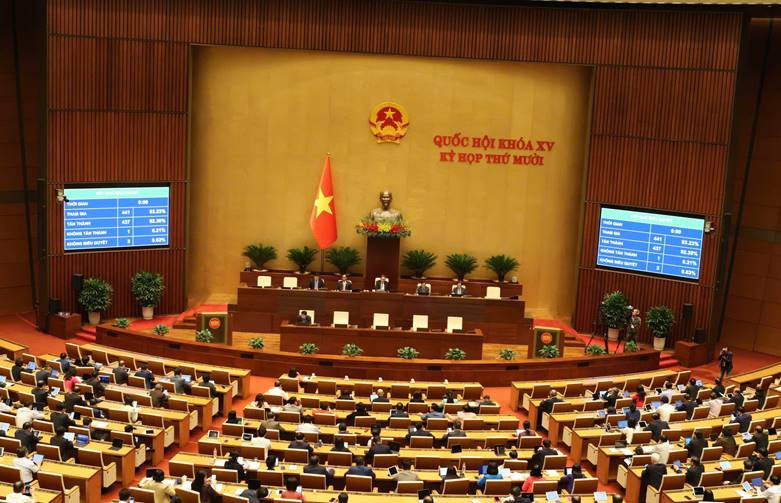
The revised High Technology Law consists of six chapters and 27 articles, outlining the governance of high-tech activities, incentive policies, promotion strategies, and the development of strategic technologies.
The law reaffirms that high technology and strategic technologies are considered breakthrough pillars for Vietnam’s rapid and sustainable socio-economic development, national defense and security, and technological sovereignty. Accordingly, the state will apply the highest possible incentives as defined under investment, taxation, land use, and other related policies to these sectors.
Crucially, the law mandates that the state prioritizes its budget allocation for science, technology, and innovation. Funding will be directed toward research, development, experimentation, application, and especially the commercialization of high and strategic technologies.
Additionally, the law supports investment in digital infrastructure, technology platforms, and technical infrastructure essential for digital and green transformations. This is expected to boost productivity, product quality, added value, and competitiveness.
The law introduces a number of mechanisms to foster collaboration between research institutes, higher education institutions, and businesses. The aim is to build a strong foundation in science, technology, and innovation while facilitating localization, ownership, and application of core technologies.
It also promotes the formation and growth of high-tech enterprises, strategic tech firms, and startups within these sectors. To do so, the government will implement special policies and mechanisms that attract and retain high-tech talent and support the development of a robust human resources base.
In terms of human capital, the law clearly defines high-tech personnel as including Vietnamese citizens, overseas Vietnamese, and foreign nationals with advanced expertise and experience in research, development, application, and commercialization of high and strategic technologies.
This group also includes chief engineers, leading experts, and scientists with practical experience in the field.
Special preferential policies will be implemented to attract and effectively utilize this workforce, in line with existing laws on science, technology, and innovation. The law also encourages individuals and organizations to invest in training, recruitment, and the development of high-tech human resources.
To foster a vibrant and competitive high-tech ecosystem, the law stipulates that national policies must be transparent, timely, and stable. It encourages public-private partnerships, controlled experimentation (sandboxing), and the deployment of innovative high-tech products and services.
The government will also intensify public communication to raise awareness and understanding of high and strategic technologies and related laws.
Prohibited acts under the new law include:
Abusing high-tech or strategic technology activities to infringe upon national interests or the legal rights of individuals and organizations.
Misusing these technologies in ways that harm national defense, public health, social ethics, or the environment.
Using high-tech products or services for illegal activities.
Violating intellectual property rights involving high or strategic technologies.
Providing false or misleading information to gain access to incentives or support under high-tech policies.
Illegally disclosing, trading, or transferring confidential technology-related data.
Unlawfully obstructing or interfering with high-tech activities.
The amended High Technology Law will officially take effect on July 1, 2026.
Thai Khang
.svg)
