 Vietnamnet.vn

 Podcast



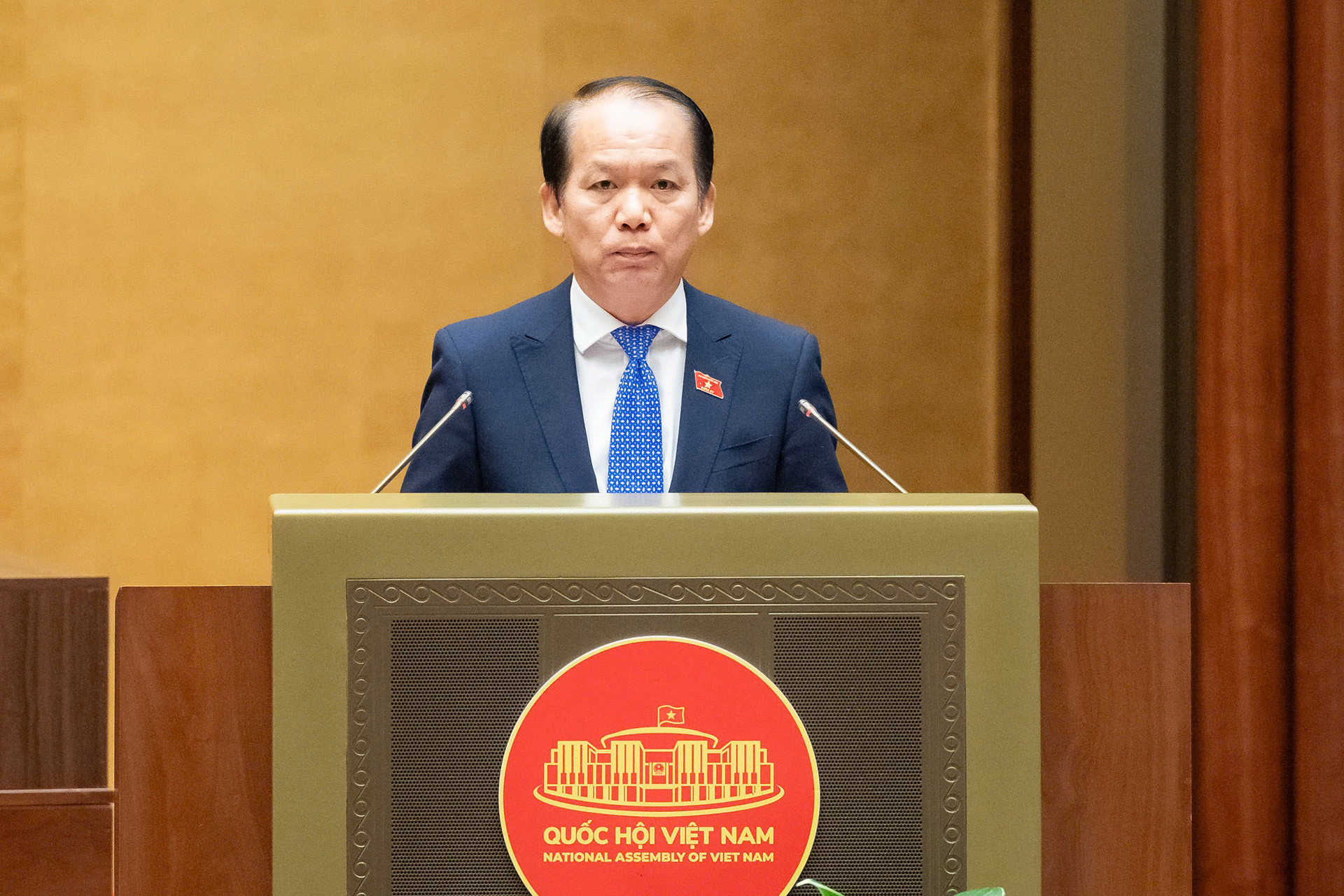
The initial draft of the law included provisions allowing inmates to store eggs and sperm. However, this clause was removed in the final version. While some lawmakers supported the proposal, many urged caution, citing potential negative social implications and a need for more comprehensive impact assessments.
Based on the feedback from legislators, the drafting and reviewing bodies, in consultation with relevant agencies, conducted a thorough evaluation.
“If we allow prisoners to store eggs or sperm, it would require substantial resources, advanced medical expertise, and strict prison management - none of which are feasible under current conditions,” said Tung.
As a result, the National Assembly’s Standing Committee decided not to include gamete storage rights in the amended law. The government will study the issue further and may propose legislation when the time is more appropriate.
Detainees allowed to receive money and essential items from family
Also on December 10, the National Assembly passed the Law on Temporary Detention, Custody, and House Arrest, which comprises 12 chapters and 74 articles.
One key provision states that detainees are allowed to receive gifts - both cash and items - from family members. Detention facility officials are responsible for screening these items to remove any contraband and ensuring that detainees receive their gifts intact.
Measures will also be taken to prevent theft or confiscation of personal belongings within the facilities.
The Ministers of Public Security and National Defense will issue specific regulations on the types and value of gifts detainees may receive from their families.
During earlier debates, some lawmakers supported allowing detainees to receive both money and items from loved ones, as under the current law. Others suggested limiting the provision to cash and essential items only.
Hoang Thanh Tung noted that the issue remained divisive. As a result, the Standing Committee of the National Assembly instructed the Secretary General and the Office of the National Assembly to conduct a vote among lawmakers.
The results: 240 deputies voted in favor of keeping the current law, while 77 supported the government’s revised proposal. The majority view prevailed.
The law has thus retained the existing rule that detainees may receive both cash and personal items from their families.
Tran Thuong
.svg)
