 Vietnamnet.vn

 Podcast


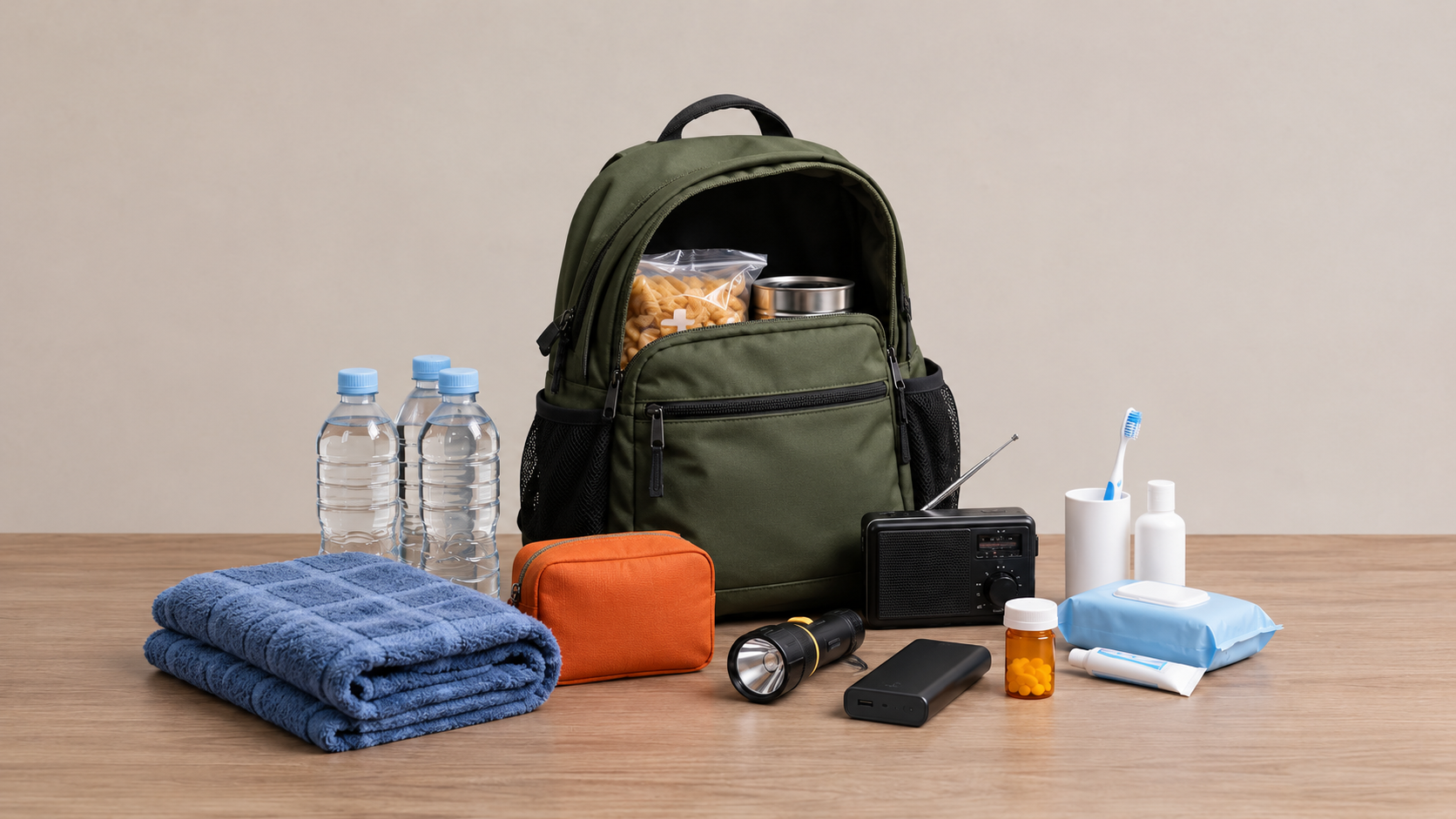
On November 7, the Department of Cybersecurity and High-Tech Crime Prevention and Control (A05) under Vietnam's Ministry of Public Security issued a warning following growing discussion on social media about recommendations in several countries for households to prepare enough essential supplies to last the first 72 hours of an emergency.
While some social media users have welcomed the advice as a sensible precaution, authorities warned that sharing it without proper context, or interpreting it as a sign of impending war or disaster, could cause unnecessary anxiety.
Such speculation could also encourage excessive purchasing and stockpiling, disrupting daily life and affecting market stability.
The department referred to remarks made by Foreign Ministry spokesperson Pham Thu Hang at a press briefing on November 5.
Hang said Vietnamese authorities were monitoring developments, coordinating risk assessments and studying appropriate measures suited to the country's circumstances.
These efforts include raising public awareness and helping residents take sensible precautions without creating unnecessary alarm.
The cybersecurity department stressed the importance of distinguishing recommendations issued by foreign governments from official instructions applicable in Vietnam.
It warned against assuming that Vietnamese authorities had introduced a mandatory requirement for households to stockpile 72 hours' worth of supplies.
What the 72-hour emergency supply recommendation actually means
The department urged people to understand the purpose of the 72-hour emergency preparedness recommendation so they can make informed decisions, protect their families and avoid being misled by false information circulating online.
"Preparing basic essentials such as drinking water, non-perishable food, flashlights, power banks and necessary medicines should be regarded as a sensible safety habit and a way to prepare for everyday risks," the department advised.
It urged residents to remain calm, avoid interpreting such recommendations as evidence of an approaching catastrophe and refrain from purchasing or stockpiling more goods than necessary.
People should also verify information through official channels, including weather forecasts, disaster warnings and civil defence guidance issued by the Government Portal, the Ministry of Public Security, the National Civil Defence Steering Committee and established news organisations.
The department advised against sharing or commenting on sensational or speculative information.
In particular, residents should not post, circulate or help spread manipulated articles and videos suggesting that a major disaster is imminent, as such content could fuel public anxiety and undermine market stability.
Warning over online scams and misleading emergency alerts
Authorities also warned that misinformation surrounding emergency preparedness could create opportunities for profiteering and online fraud.
Residents were advised not to follow crowd-driven buying trends or purchase emergency supplies advertised on social media at unusually inflated prices.
They should also avoid clicking suspicious links disguised as emergency announcements or installing applications from unknown sources.
When encountering social media accounts or websites deliberately spreading fabricated information about natural disasters or other emergencies to attract engagement or commit fraud, people should preserve relevant evidence, including screenshots and website links.
Such cases should be reported to the nearest police agency for investigation and appropriate action.
Spreading false information may result in fines or criminal charges
Under Point c, Clause 2, Article 95 of Government Decree No. 174/2026/ND-CP, organisations that use social media to provide or share false information causing public anxiety, damaging socioeconomic activities, obstructing state agencies or infringing upon the lawful rights and interests of organisations or individuals may face administrative penalties.
Where the conduct does not warrant criminal prosecution, organisations may be fined between VND30 million and VND50 million (US$1,200-2,000).
Individuals may face fines ranging from VND15 million to VND25 million (US$600-1,000).
Violators may also be required to remove the offending content, while their accounts, pages or community groups may be blocked in accordance with applicable regulations.
Where the conduct meets the legal elements of a criminal offence, those responsible may face prosecution under Article 288 of Vietnam's current Penal Code.
Dinh Hieu

