 Vietnamnet.vn

 Podcast



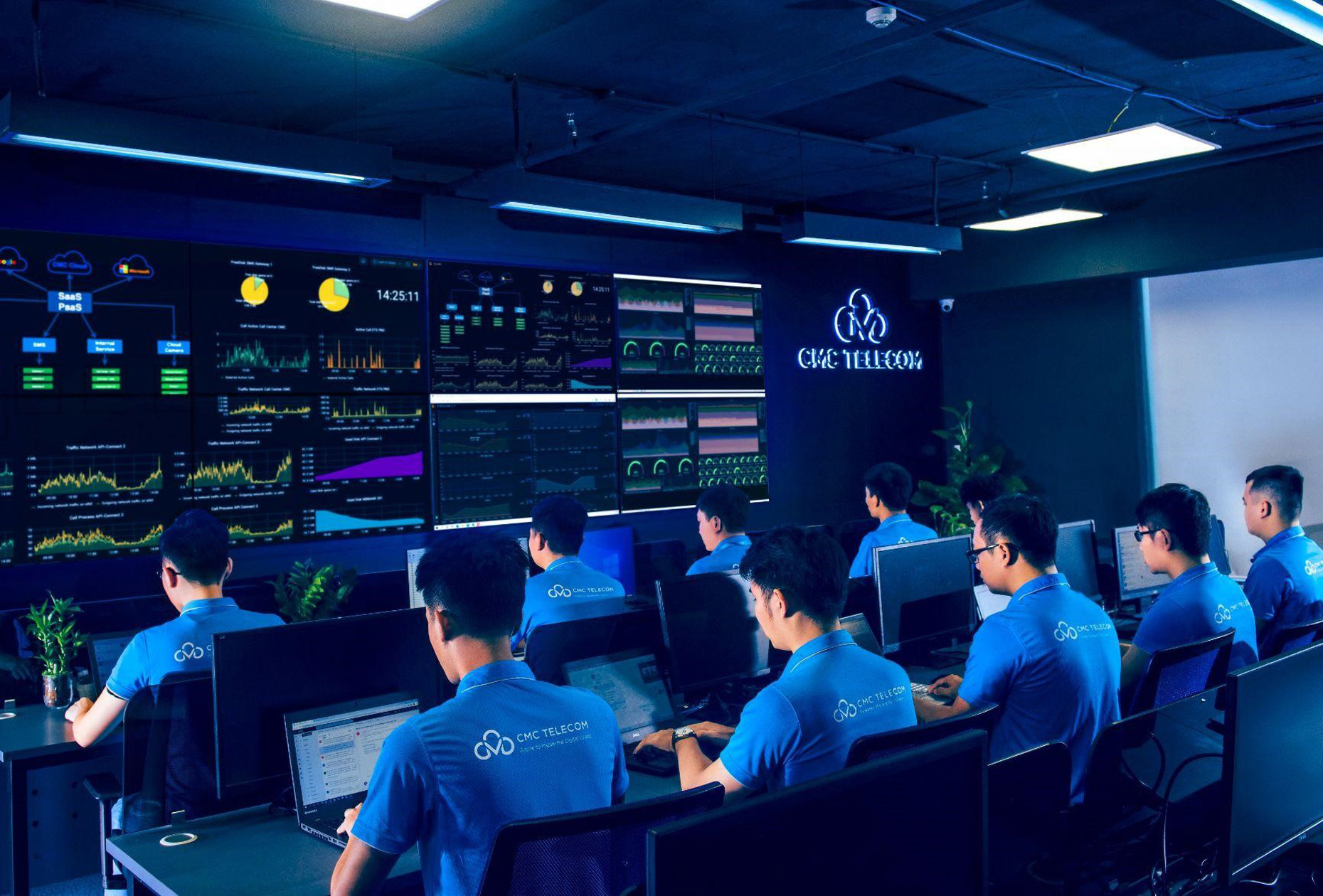
Viettel and CMC have raised concerns over the potential impact of any power suspension at their data centers on Vietnam’s economic and social activities.
On Sept. 15, Viettel and CMC submitted petitions to the Ministry of Industry and Trade and the Ministry of Science and Technology over the HCMC Power Corporation’s (EVNHCMC) application of commercial electricity rates to their data centers.
The two companies said the issue could affect reliable power supplies and stable operations at data centers they described as strategically important to Vietnam’s socioeconomic development.
They also warned that if EVNHCMC cut electricity to their two data centers, the disruption could have serious consequences for economic and social activities in Vietnam.
Politburo Resolution 57 identifies investment in infrastructure for science, technology, innovation and national digital transformation as a priority. It also calls for mechanisms and policies to support domestic companies investing in data centers and cloud computing, while attracting foreign companies to establish such facilities in Vietnam.
EVNHCMC subsequently asked the Ministry of Industry and Trade and Vietnam Electricity (EVN) for unified guidance on electricity tariffs for data centers, citing differences between guidance from the ministry and conclusions by the State Audit Office of Vietnam.
In its submission, EVNHCMC said it had reported on the legal basis, handling process and proposed suspension of electricity supplies to two data center customers, Viettel and CMC, over their electricity payment obligations.
Power supplies to the two customers had been scheduled for suspension from Sept. 15, 2026. However, following new developments, EVNHCMC sought further guidance from the ministry and EVN on a consistent approach.
Conflicting interpretations of data center electricity rates
According to EVNHCMC, competent authorities currently have two different interpretations of the electricity tariffs applicable to data centers.
In Document 2818/BCT-DL dated April 22, 2026, the Ministry of Industry and Trade advised that when an electricity buyer and seller cannot agree on the proportion of power used for different purposes, the technical systems of a data center should be charged at the retail electricity rate for production.
EVNHCMC said it proposed applying the production electricity tariff to 100% of such consumption in accordance with this guidance. It also proposed directing the Thu Duc and Thuan An power companies to apply the guidance consistently and not suspend electricity supplies while the issue is being resolved.
The State Audit Office of Vietnam, however, concluded in 2026 that Document 2818/BCT-DL was an individual guidance document rather than a legal normative document and therefore could not supersede Clause 19, Article 11 of Circular 60/2025/TT-BCT.
According to the audit conclusion cited by EVNHCMC, the commercial retail electricity tariff should be applied, with the difference in electricity charges collected retroactively from Dec. 2, 2025.
EVNHCMC said the conflicting positions have created difficulties for the corporation and its subsidiaries.
Following Document 2818/BCT-DL could put EVNHCMC at odds with the State Audit Office’s conclusion and requirements. Applying the audit conclusion and Circular 60/2025/TT-BCT, on the other hand, could lead to complaints from customers.
EVNHCMC warns of legal risks and impact on digital infrastructure
EVNHCMC said the lack of a unified approach creates legal risks and operational difficulties not only for itself but also for other power corporations serving data centers elsewhere in Vietnam.
The utility said the issue could also affect stable electricity supplies to critical digital infrastructure, which Vietnam has identified as a priority under Resolutions 57-NQ/TW and 70-NQ/TW.
EVNHCMC has therefore asked the Ministry of Industry and Trade to formally respond to the petitions submitted by Viettel and CMC on Sept. 11, 2026.
In particular, it wants the ministry to clarify the legal status and scope of Document 2818/BCT-DL in relation to Circular 60/2025/TT-BCT and the State Audit Office’s conclusions.
EVNHCMC said such clarification would give electricity providers a consistent basis for implementation and prevent different utilities from applying different approaches.
The corporation also urged the ministry to accelerate amendments to Circular 60/2025/TT-BCT.
The revised regulations should clearly define the principles and methods for determining and applying electricity tariffs to data centers, including cases where the two sides cannot agree on the proportion of electricity used for different purposes.
EVNHCMC said clearer rules would provide a basis for resolving existing disputes and help prevent similar cases in the future.
Alongside its request to the ministry, EVNHCMC asked EVN to issue group-wide guidance on how to deal with data center customers that do not agree with tariffs applied under Circular 60/2025/TT-BCT while amendments are pending.
The proposed guidance would cover measures involving the suspension or reduction of electricity supplies and the handling of any differences in electricity charges once official guidance is issued.
Thai Khang
.svg)
