 Vietnamnet.vn

 Podcast



According to the government’s proposal, rare earths are now classified as a "special strategic resource" due to their increasing global demand and vital role in high-tech industries, energy transition, and national defense.
Citing data from international organizations, the government emphasized that rare earths are essential to a wide range of modern technologies, including semiconductors, permanent magnets, catalysts, defense systems, display devices, smart agriculture, advanced alloys and materials, solar panels, electric vehicle batteries, military robots, and drones.
Demand for rare earths is expected to rise sharply over the next decade in line with rapid developments in high-tech, renewable energy, and electric vehicle industries.
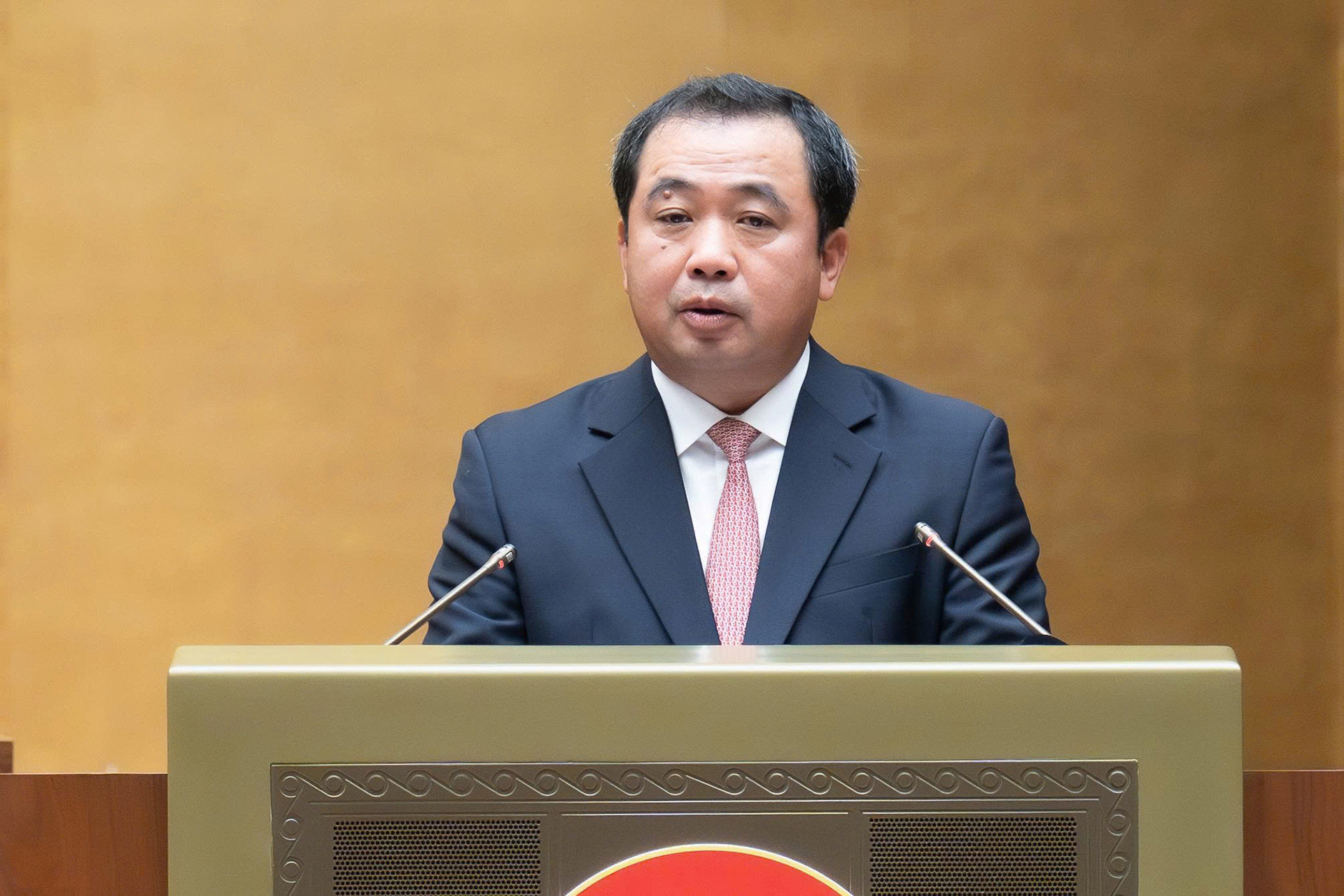
Minister Tran Duc Thang stated that rare earths have become a special commodity with significant implications for global defense, security, and diplomacy.
Therefore, it is necessary to implement strict control mechanisms for all activities involving this resource.
The draft law introduces specific regulations on the management, processing, and use of rare earths as part of broader efforts to foster the mineral sector and ensure sustainable national benefit.
It states that all activities related to rare earths - including geological surveys, evaluation, exploration, extraction, processing, and usage - must align with the national rare earth strategy.
These resources must be protected and used reasonably, efficiently, and in ways that support sustainable socio-economic development and national security.
The state will prioritize investment in geological research and assessment of rare earth resources.
All exploration, mining, and processing activities must be tightly controlled.
Exporting raw rare earth minerals will be prohibited.
Only organizations and enterprises authorized or appointed by the state will be permitted to engage in rare earth-related activities.
Deep processing of rare earths must be tied to the development of a modern industrial ecosystem to enhance domestic value chains and ensure strategic autonomy.
The state also encourages international cooperation in researching, developing, and applying advanced technologies for rare earth extraction, separation, and deep processing to develop Vietnam’s rare earth industry.
It will support training high-quality human resources with the technical and technological expertise needed for geological investigation, exploration, deep processing, application, and resource management.
The National Assembly’s Committee for Science, Technology, and Environment supported the proposed regulations, calling them a necessary legal framework to effectively and sustainably manage, exploit, and develop the rare earth sector.
However, the committee also recommended that the drafting body consider designing a separate chapter in the law dedicated to strategic minerals to ensure clarity, comprehensiveness, and long-term stability.
The committee noted that some opinions suggested requiring written approval from the Ministry of National Defense and the Ministry of Public Security before issuing licenses for rare earth exploration and mining in sensitive areas related to national defense and security.
Tran Thuong
.svg)
