 Vietnamnet.vn

 Podcast



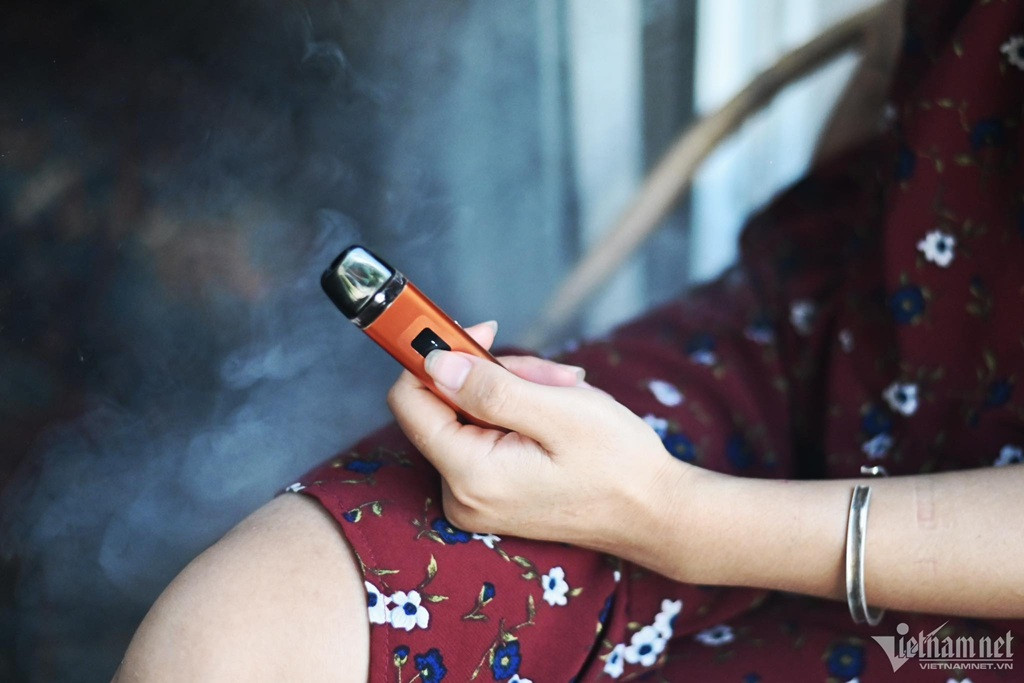
The information was shared by representatives of the Department of Medical Services Administration under the Ministry of Health during a workshop marking World No Tobacco Day 2026.
Tran Thi Van Ngoc, deputy chief of office at the department, said the ministry is currently drafting amendments and supplements to several articles of the Law on Prevention and Control of Tobacco Harms.
Under the proposal, the ministry is seeking two major policy changes: banning the production, trade, storage, transit, transportation, advertising, promotion, sponsorship, harboring and use of e-cigarettes, heated tobacco products and other new-generation tobacco products; and prohibiting wholesalers and retailers from displaying tobacco products in any form.
Regarding feedback on the proposed policy to “establish a smoke-free Vietnamese generation beginning with those born after 2010,” originally suggested by the Ministry of Justice, the Health Ministry said it had revised the wording to better reflect the policy objective. The updated proposal is titled: “Prohibiting people born on or after January 1, 2010 from purchasing and using tobacco products.”
The ministry said it has conducted a thorough impact assessment of the proposal. If effectively implemented and enforced, the policy could significantly reduce smoking rates, rapidly lower exposure to secondhand smoke, improve public health and cut major healthcare and productivity-related losses.
E-cigarette use among students has been increasing rapidly. While the rate among students aged 13-17 stood at 2.6% in 2019, a 2023 survey conducted across 11 provinces and cities showed the figure had climbed to 8.1%.
“This is not simply a new consumer trend. It is a sign that nicotine addiction is becoming younger and infiltrating schools, families and the daily lives of adolescents,” a Ministry of Health representative said.
However, Ngoc noted that ensuring the feasibility and effectiveness of the policy would require strong consensus and support from the National Assembly, the government and relevant ministries, especially the Ministry of Public Security and the Ministry of Industry and Trade, as well as backing from the public.
Authorities would also need to strengthen public communication targeting both sellers and buyers, enforce compliance at retail outlets through accurate and consistent age verification, reduce the number of tobacco retail points and impose strict penalties for violations. At the same time, smoking cessation support programs for tobacco users would need to continue.
Globally, tobacco use causes more than eight million deaths each year. In Vietnam, smoking is estimated to cause around 103,000 deaths annually. The economic burden associated with tobacco consumption amounts to hundreds of trillions of dong, including healthcare costs, productivity losses, premature deaths and environmental damage.
Vo Thu
.svg)
