 Vietnamnet.vn

 Podcast



Health authorities in Hanoi and across Vietnam have launched urgent measures to prevent the entry and spread of the Nipah virus, a highly fatal infectious disease currently affecting parts of India.
On January 27, the Hanoi Department of Health issued an emergency directive calling on all localities and medical facilities to prepare quarantine zones, medical supplies, protective gear, and drugs in anticipation of possible cases.
Deputy Director Vu Cao Cuong emphasized the need for early detection and rapid response. All local clinics were instructed to collaborate closely with hospitals and report immediately any suspected infections - particularly those showing symptoms of encephalitis or acute respiratory distress with relevant travel or exposure history.
Vietnam has not recorded any Nipah virus cases to date. However, according to the General Department of Preventive Medicine under the Ministry of Health, India has reported five suspected cases between December 27, 2025, and January 27, 2026, with two lab-confirmed in West Bengal.
Given the severity of the disease, Nipah virus is categorized as a Class A infectious disease in Vietnam, warranting the highest level of alert and containment efforts.
The Hanoi Center for Disease Control (CDC) has been tasked with stepping up surveillance at Noi Bai International Airport, particularly among travelers arriving from regions with known outbreaks, such as West Bengal. Body temperature scanners and specialized screening procedures have been put in place to detect and isolate suspected cases swiftly.
All health facilities in Hanoi must now conduct epidemiological assessments of any patients showing symptoms linked to Nipah, and alert the CDC or local health stations without delay.
Medical staff are also being trained in case management, diagnosis, and infection control. Hospitals are required to ensure availability of isolation units, decontamination chemicals, personal protective equipment, and treatment infrastructure.
At the national level, the Ministry of Health has directed a comprehensive response across provinces. On January 28, the Department of Preventive Medicine issued a similar directive to 31 provincial health departments, five international health quarantine centers, and 26 CDC units.
Hospitals and public health agencies were ordered to bolster infection control practices, particularly among healthcare workers and those in close contact with suspected or confirmed cases.
The Department of Medical Services Administration also issued an urgent notice to all hospitals and health units under central ministries, urging immediate implementation of frontline containment strategies.
“Vietnam must act as if the virus is already at our doorstep,” stated Nguyen Trong Khoa, Deputy Director of the Department. “Early identification, isolation, and control are critical in preventing what could become a national health emergency.”
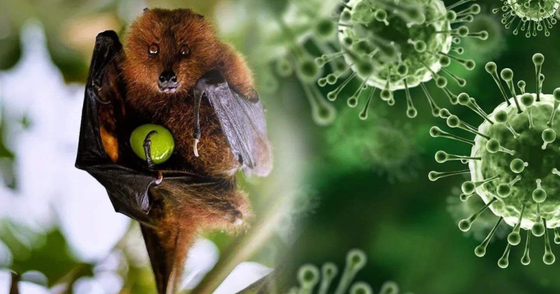
As per the World Health Organization (WHO), Nipah virus was first identified in Malaysia in 1999 and has since caused sporadic outbreaks in India, Bangladesh, and the Philippines. The virus is transmitted from fruit bats to humans, often via contaminated food or direct contact, and can also spread from person to person through respiratory secretions.
Symptoms typically start with headaches, muscle pain, sore throat, and vomiting, and can escalate into encephalitis, seizures, or even coma. The incubation period ranges from 4 to 14 days, and the fatality rate among hospitalized patients ranges from 40% to 75%.
Currently, there is no vaccine or specific antiviral treatment available for Nipah virus.
Health authorities have been instructed to remain vigilant, continue updating the public accurately to avoid panic, and ensure full compliance with infection control protocols. The Ministry of Health is also working closely with the WHO and regional partners to monitor global developments and adjust strategies accordingly.
N. Huyen - Phuong Thuy
.svg)
