 Vietnamnet.vn

 Podcast



Following three days of intense and suspenseful competition, the event officially closed on the evening of December 14 in Ho Chi Minh City.
This year, the championship was powered by advanced technology to ensure the highest standards of integrity, fairness, and transparency. The real-time competition system, known as SuperMe, was utilized to manage the event.
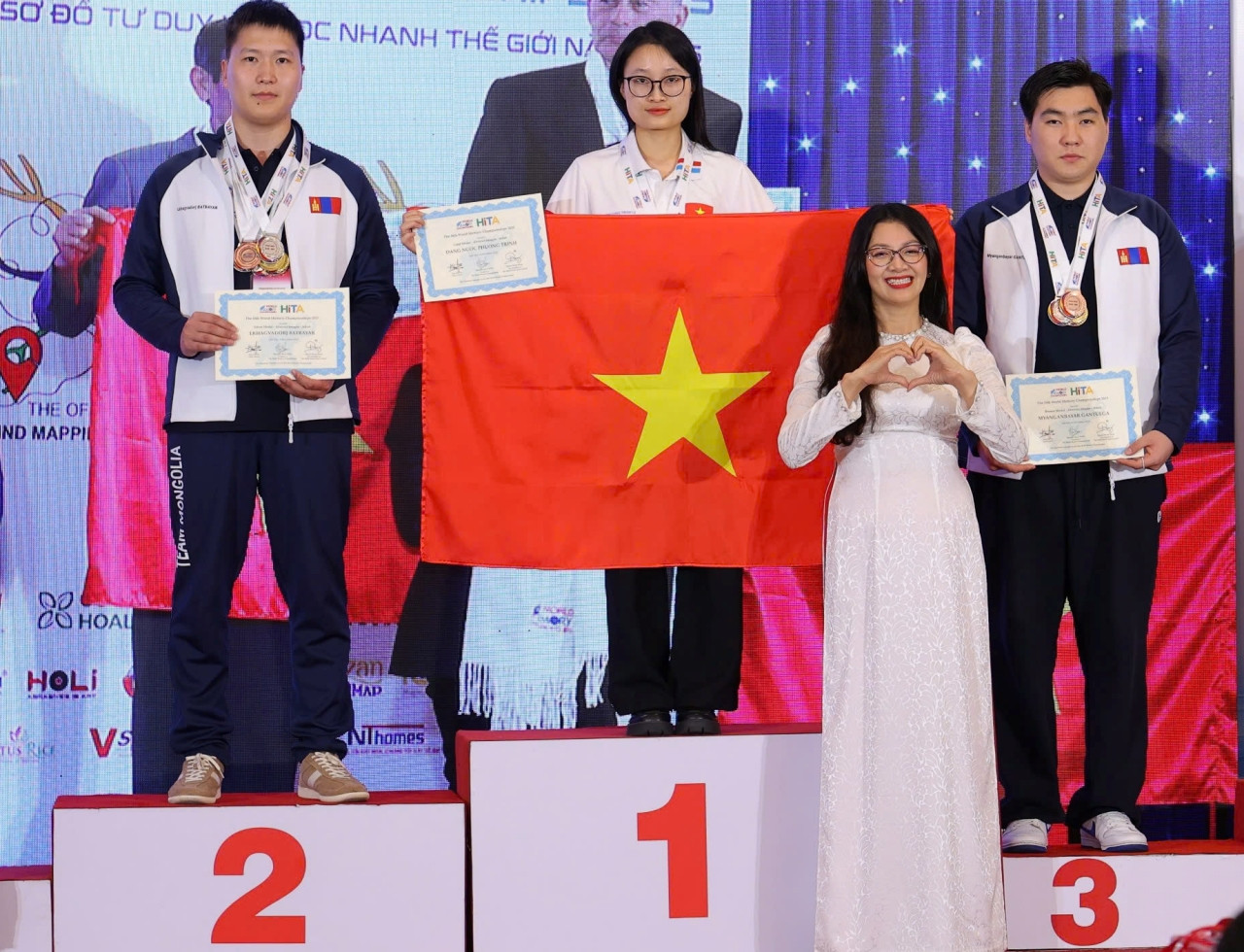
Nearly 300 memory athletes from 24 countries and territories around the world participated in the competition.
The championship included 14 events: 10 from the core memory disciplines, three on mind mapping, and one on speed reading.
After a dynamic contest, Mongolia claimed the overall championship title, followed by Australia in second place and China in third. Vietnam ranked fourth, while Algeria secured fifth place.
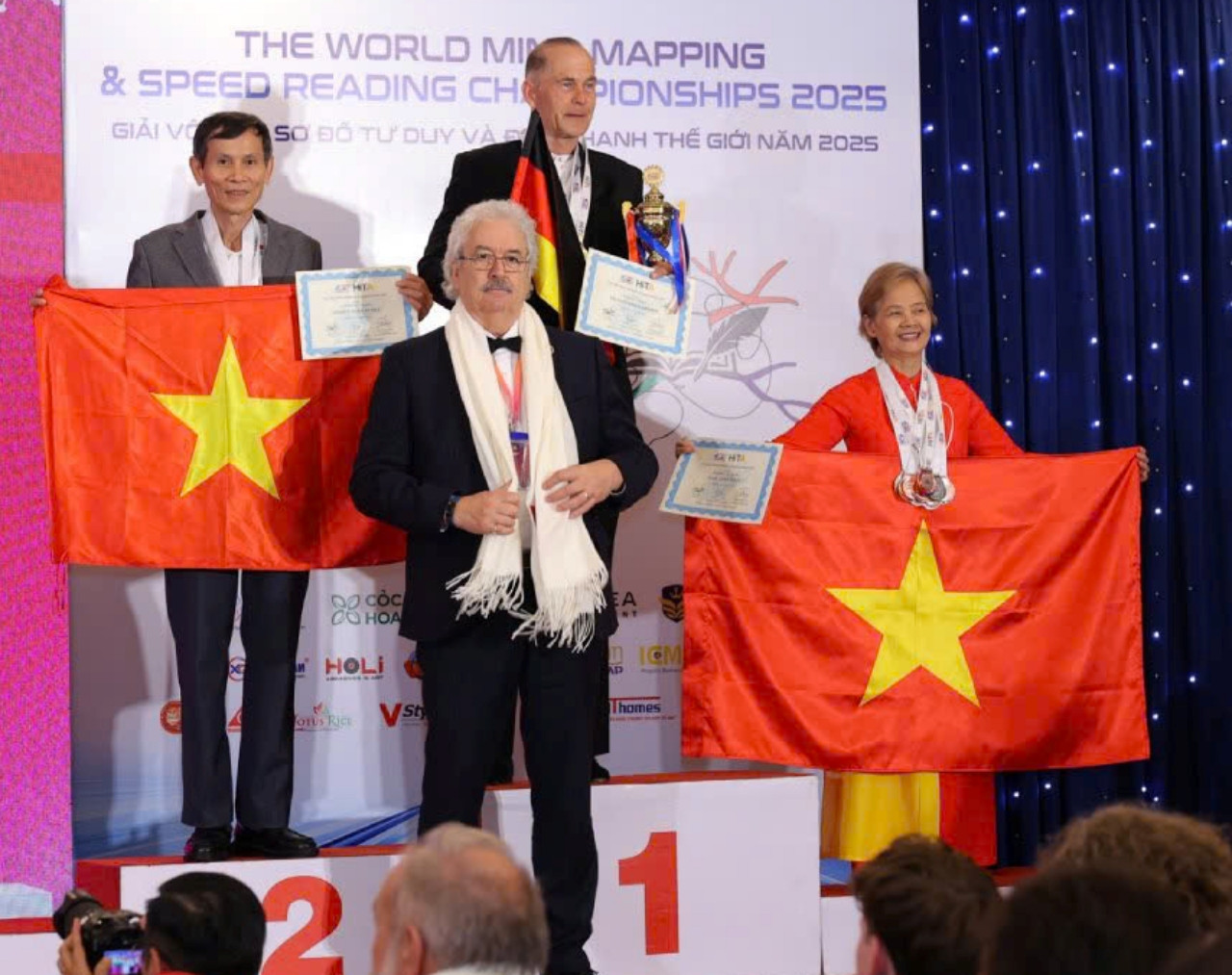
Strong individual results for Vietnamese athletes
In the individual events, Vietnamese memory athletes delivered confident performances, earning 1 gold medal, 11 silver medals, and 11 bronze medals across various categories.
During the closing ceremony, the organizing committee honored the top-performing athletes and presented official Master of Memory certifications to participants who met international standards.
Additionally, the World Mind Sports Council announced that Vietnam will once again host the 35th World Memory Championships in 2026.
A legacy of mental excellence
Founded in 1991 by Tony Buzan and Raymond Keene, the World Memory Championships is the world’s oldest and most prestigious competition for memory athletes.
Its mission is to celebrate the vast potential of the human brain and promote mental sports as a global discipline.
Ha Nguyen
.svg)
