 Vietnamnet.vn

 Podcast



On April 7, General Secretary and State President To Lam signed the decision to ratify the United Nations Convention against Cybercrime, also known as the Hanoi Convention. With this move, Vietnam becomes the first country in Southeast Asia and the second in the world to ratify the treaty.
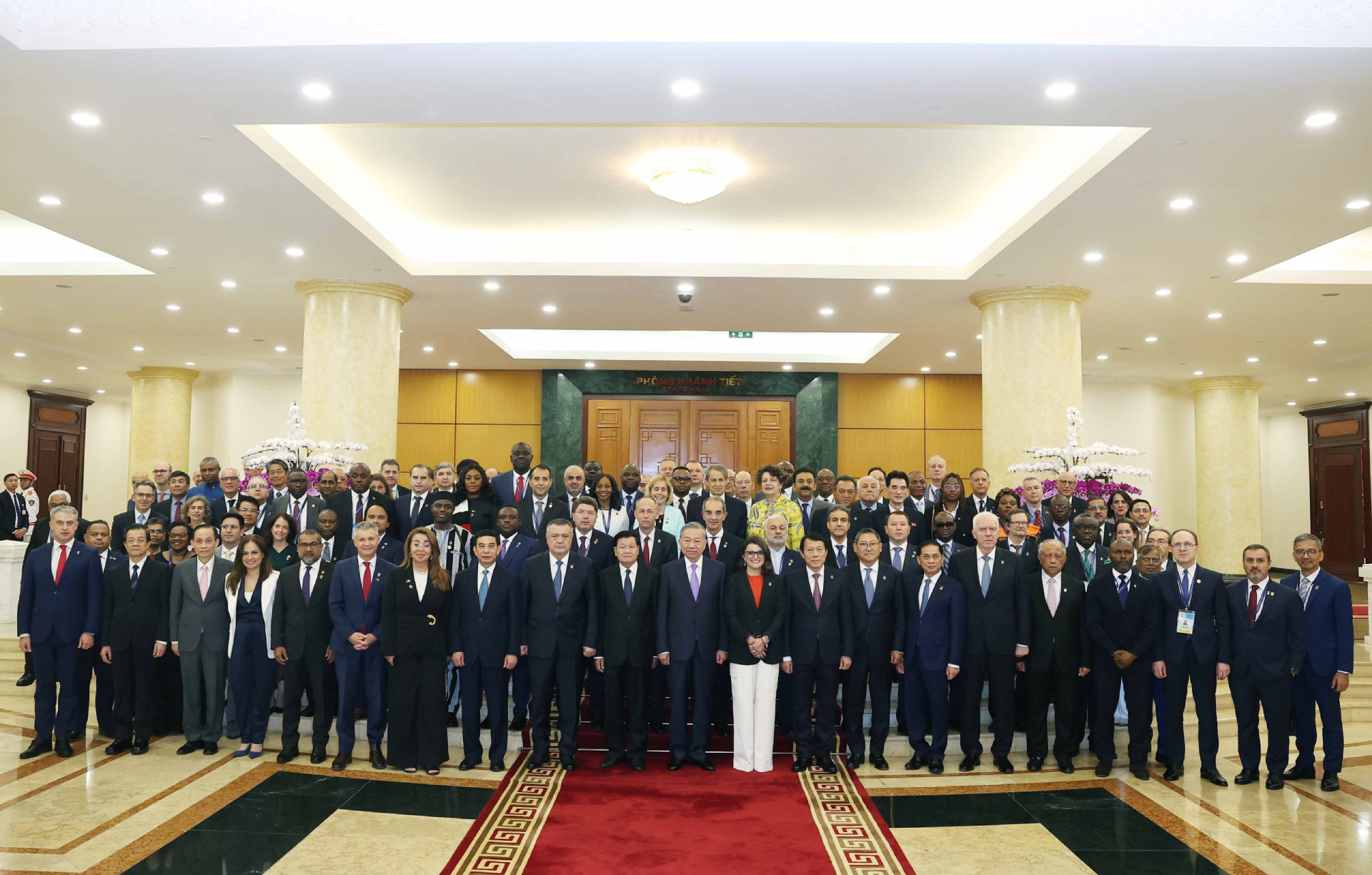
The Convention against Cybercrime - the first United Nations international treaty named after a Vietnamese location - marks a historic milestone in Vietnam’s international integration, reflecting the country’s growing capacity and standing in addressing global challenges.
As host, Vietnam coordinated with the United Nations to successfully organize the signing ceremony in Hanoi in October 2025. The event drew leaders and high-level representatives from more than 110 countries and international organizations, with 72 countries formally signing the convention, helping to foster dialogue, cooperation, and trust in global cyber governance.
Vietnam’s swift completion of ratification procedures, becoming the first in Southeast Asia and the second globally to join the convention, underscores its strong and consistent commitment to upholding international law, the UN Charter, and multilateralism.
As an official member, Vietnam is now positioned to contribute more substantively to the development and refinement of the international legal framework governing cyberspace.
The Hanoi Convention provides an important legal foundation for Vietnam to strengthen its capacity to prevent, detect, investigate, and prosecute cybercrime, meeting the demands of safeguarding national security and social order amid rapid digital transformation and deepening global integration. It also serves as a key driver for improving domestic legislation, ensuring compatibility with international standards and obligations, and enhancing institutional, technical, and human resource capabilities in combating cybercrime.
The convention was first opened for signature in Hanoi in October 2025.
Comprising nine chapters and 68 articles, the treaty establishes a comprehensive international legal framework for cooperation in combating cybercrime. It defines a wide range of offenses, from illegal access and system interference to online child exploitation and money laundering derived from criminal activities. It also sets out jurisdictional rules and investigative measures, enabling countries to collect evidence and prosecute cybercrime cases more effectively.
In addition, the convention outlines procedural and law enforcement measures, promotes international cooperation in investigations and prosecutions, and emphasizes preventive actions, including capacity building and raising awareness of cybersecurity. It also facilitates technical assistance and information sharing among member states.
To date, 75 countries have signed the convention. Prior to Vietnam, Qatar was the first to ratify it. The convention will enter into force once 40 countries have become full members.
Tran Thuong
.svg)
